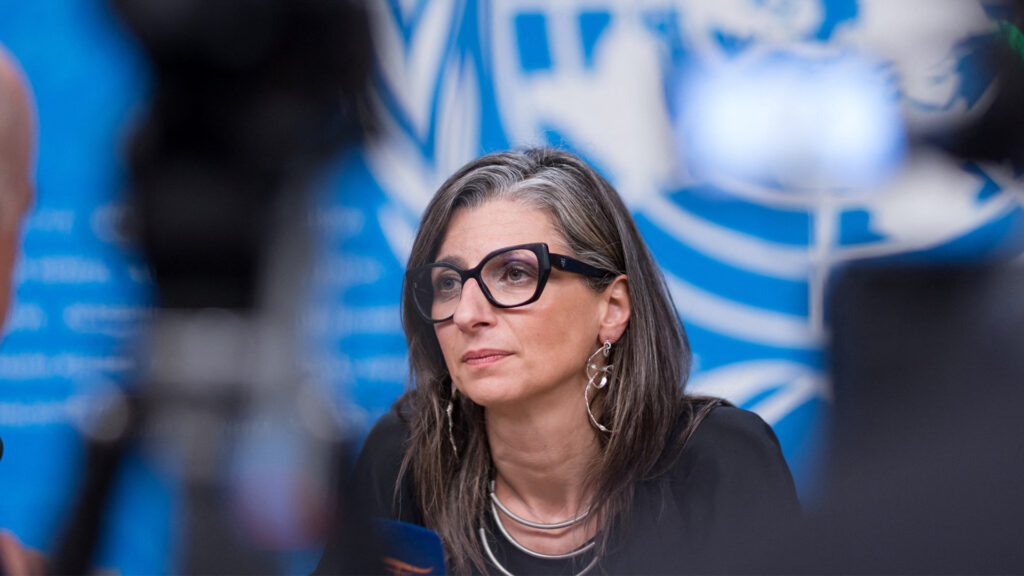
Francesca Albanese, the United Nations Special Rapporteur on the occupied Palestinian territories, has been at the center of controversy, facing increasing pressure to resign from her post. However, a well-known filmmaker has stepped forward, publicly backing Albanese and highlighting the importance of her role and the integrity of her work. This filmmaker is not alone; over 100 artists have signed a letter expressing their support for Albanese, emphasizing her commitment to human rights and the need for independent investigations in conflict zones.
Francesca Albanese’s tenure as UN rapporteur has been marked by her outspoken reports and assessments of the situation in the Palestinian territories, which have drawn both praise and criticism. Some parties have called for her resignation, accusing her of bias and questioning the accuracy of her findings. Despite this backlash, Albanese has maintained that her mission is to provide truthful and impartial accounts of human rights conditions, a stance that resonates with many in the international arts and human rights communities.
The filmmaker who voiced support for Albanese pointed out that in a time when freedom of expression and independent inquiry are often challenged, Albanese’s steadfast dedication to truth and justice is commendable. The artist noted that Albanese’s work helps bring global attention to marginalized voices and sheds light on complex geopolitical issues often overshadowed by political agendas.
The letter signed by over 100 artists reiterates their faith in Albanese’s impartiality and professionalism. They stress that her reports, which often highlight human rights violations, are critical to fostering accountability and encouraging dialogues aimed at peace and resolution.
Supporters argue that calls for Albanese’s resignation may undermine the credibility of UN human rights mechanisms and set a concerning precedent for how independent investigators are treated when addressing sensitive political matters. The controversy surrounding Albanese is viewed by many as a reflection of the broader struggles inherent in navigating the contentious and often polarized realm of international human rights work.
In conclusion, the filmmaker’s public endorsement alongside more than 100 artists underscores a wider advocacy movement that champions the importance of maintaining independent oversight on human rights. Francesca Albanese’s position as a UN rapporteur remains pivotal in the ongoing efforts to uphold human dignity and accountability, underscoring the essential role of truth-telling in the pursuit of justice worldwide.