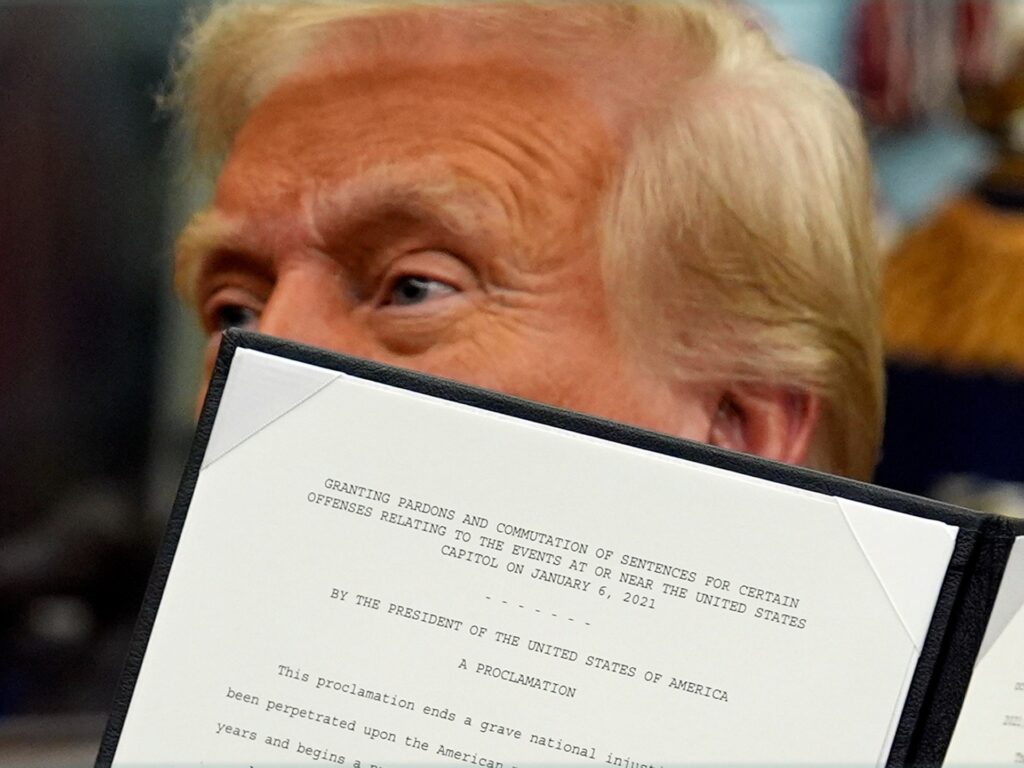
The traditional concept of presidential clemency in the United States has been significantly altered under Donald Trump’s administration, raising concerns and debates about the integrity of the justice system. Historically, presidential pardons and commutations were typically grounded in notions of mercy, justice, or rectifying judicial errors. However, during Trump’s tenure, there has been a marked shift toward what critics describe as a transactional and politicized approach to clemency.
Donald Trump has used his clemency powers extensively, often in unconventional ways that sparked controversy across the political spectrum. Unlike his predecessors, who generally maintained a degree of discretion and avoided pardons that might appear self-serving or politically motivated, Trump openly issued pardons and commutations to a wide array of individuals — from political allies and influential supporters to celebrities and convicted criminals with personal or political connections.
One of the hallmarks of Trump’s clemency practice has been the apparent quid pro quo nature, where pardons sometimes appeared linked to favors or the hope of influence. This raised ethical questions and suspicions about the motivations behind granting pardons. Critics argue that this behavior undermines the foundational principle of clemency, which is rooted in justice rather than transactional gain.
Legal experts and political commentators have expressed concern that the use of clemency in this manner damages public trust in the impartiality of the justice system. It gives an impression that justice can be bought or influenced by power and proximity to the president rather than being based on fairness or humanitarian considerations.
Moreover, Trump’s approach to clemency has arguably politicized the act itself, turning what was once a rare and solemn gesture of mercy into a tool for political maneuvering and loyalty reinforcement. This shift has sparked calls for reforming the clemency process to ensure that it is transparent, subject to oversight, and better aligned with principles of equitable justice.
In summary, Donald Trump’s tenure has significantly reimagined presidential clemency by transforming it into a transactional tool, raising critical discussions about the ethics and implications of this practice for the American justice system. The debate continues as lawmakers, legal experts, and the public consider how to safeguard the integrity of clemency powers in the future.