The US Department of Homeland Security (DHS) is on the brink of a shutdown due to a funding lapse resulting from the failure of Congress to pass a new budget. This impending shutdown arises amid a tense political impasse, primarily influenced by recent demands from Democratic lawmakers for reforms in immigration operations following tragic shootings in Minnesota.
The standstill reflects deeper partisan divisions on how to manage immigration enforcement and homeland security funding. While Republicans are focused on securing funding to maintain current DHS operations, Democrats are pushing for comprehensive changes intended to address systemic issues within immigration enforcement protocols, especially concerning civil rights and law enforcement practices.
The funding lapse comes at a critical time when DHS is responsible for safeguarding national security, conducting immigration enforcement, managing border safety, and responding to various domestic threats. A shutdown would halt numerous agency functions and furlough tens of thousands of federal employees, potentially compromising border security and immigration control efforts.
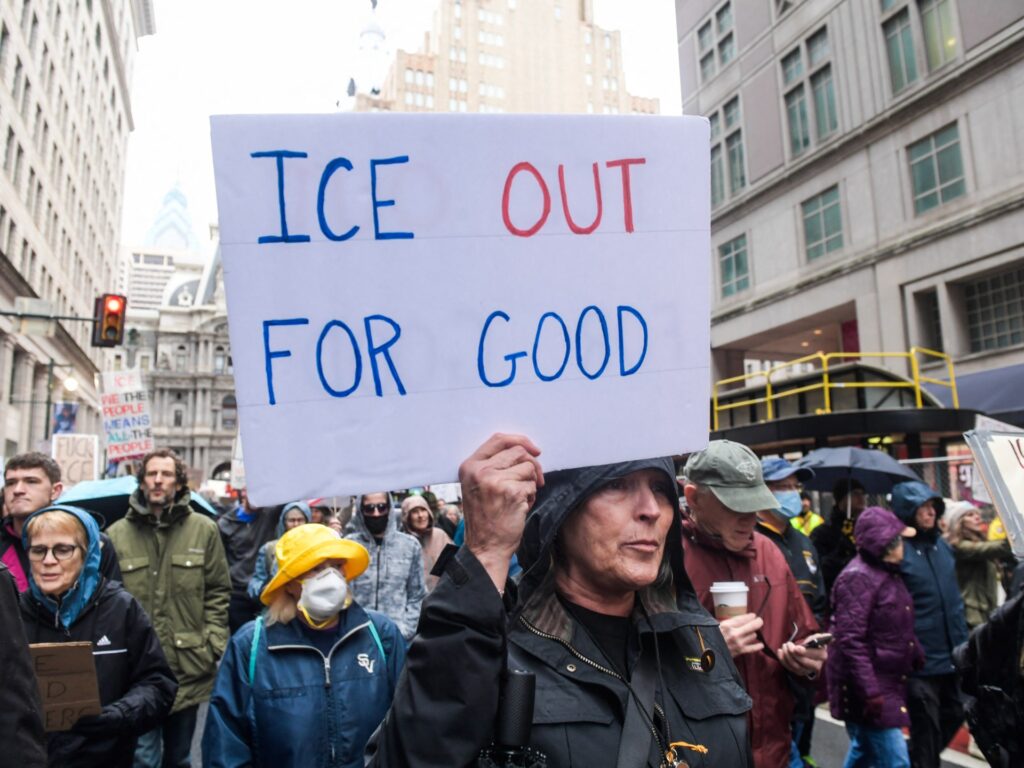
Democratic lawmakers have voiced concerns over immigration policies they describe as overly aggressive and inhumane, demanding reforms that would protect immigrant communities and improve oversight of DHS operations. These demands have intensified after the high-profile shootings in Minnesota, which have spurred calls for justice reform and increased scrutiny of law enforcement agencies, including immigration authorities.
Republican leaders, on the other hand, argue that continued funding is essential to maintain security and immigration enforcement integrity. They contend that any reforms must not compromise the agency’s ability to prevent crime and uphold national security.
The refusal of both sides to reach a compromise has brought DHS to the edge of a shutdown, raising alarm among security experts, immigrant advocacy groups, and political observers. Many fear that prolonged disruption at DHS could exacerbate vulnerabilities in national security and hamper effective immigration management.
Historically, partial or full government shutdowns have led to delays in visa and immigration processing, restricted operations at customs and border protection, and delays in critical homeland security activities. The current situation mirrors past shutdowns but carries heightened stakes due to an increasingly polarized political climate.
Efforts to reopen negotiations are ongoing, with some moderate lawmakers seeking to broker a deal that funds DHS while addressing some immigration reform concerns. However, until an agreement is reached, DHS stands vulnerable to a shutdown that would ripple across many facets of US security and immigration systems.
The situation continues to develop as lawmakers return to Capitol Hill amid public pressure to resolve the funding impasse swiftly. The coming days will be crucial in determining whether the US avoids a potentially damaging shutdown of one of its most vital federal agencies.