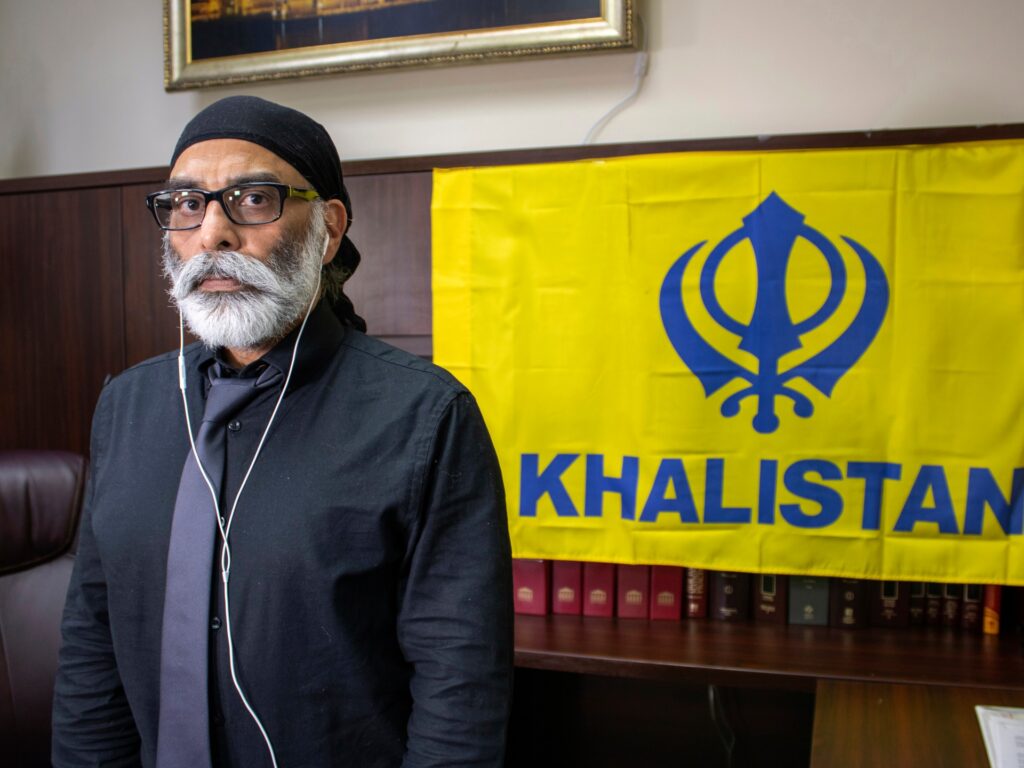
In a startling development, an Indian national has admitted to involvement in a conspiracy to assassinate a prominent Sikh leader in the United States. According to prosecutors, this plot is linked to an employee of the Indian government, raising significant international concerns.
The accused individual, whose name has not been publicly disclosed, confessed to participating in the plan to eliminate the Sikh leader whose identity has also been kept confidential for security reasons. This revelation has emerged from court documents and prosecution statements, shedding light on a complex and covert operation seemingly orchestrated across borders.
Prosecutors emphasize that the plot was not merely an isolated act but allegedly had connections to official channels within the Indian government. This allegation points to an alarming breach of international norms and has the potential to strain diplomatic relations between India and the United States.
The accused person was reportedly employed by the Indian government, implicating official involvement or support in the attempted assassination. Authorities in the United States are conducting thorough investigations to uncover the full extent of this network and the motivations behind targeting the Sikh leader.
New Delhi, however, has categorically denied any involvement in the plot. Indian officials assert that the allegations lack evidence and dismissed them as unfounded accusations aimed at tarnishing the country’s image. India’s Ministry of External Affairs issued a statement expressing commitment to maintaining friendly relations with all nations and condemned any form of violence or terrorism.
The targeted Sikh leader has been an influential figure advocating for the Sikh community’s rights and representation, often highlighting issues faced by Sikhs both in India and abroad. The assassination attempt, had it succeeded, would have significant implications for the Sikh diaspora and broader geopolitical dynamics.
This incident follows a history of tensions and violence targeting Sikh activists outside India, where some groups have accused Indian authorities of suppressing dissent through force. The U.S. government is taking the matter seriously, ensuring the safety of vulnerable communities and calling for justice and accountability.
Law enforcement agencies are collaborating closely with international counterparts to bring all involved parties to justice. The accused faces multiple charges, including conspiracy to commit murder, and could be subject to severe penalties upon conviction.
Civil rights organizations and Sikh advocacy groups have condemned the assassination plot, calling for greater awareness and protective measures for community leaders. They stress the importance of safeguarding democratic rights and condemning any attempts to silence political voices through violence.
This case underscores the broader challenges of international diplomacy, espionage, and the protection of minority communities globally. As investigations continue, the international community watches closely, hoping for a resolution that reinforces justice and peace.
In summary, the confession by the Indian national exposes a serious threat aimed at a prominent Sikh leader in the U.S., allegedly linked to Indian government personnel. While the accused faces legal repercussions, the diplomatic fallout and calls for accountability remain critical issues for both nations moving forward.