In a recent statement, Cuban diplomat Carlos de Cossio vehemently criticized the United States’ ongoing oil embargo against Cuba, describing it as a “massive punishment” that severely impacts the nation’s essential sectors. De Cossio highlighted the detrimental effects the embargo has on Cuba’s medical services, food production, and the overall standard of living for its citizens.
The oil blockade, which restricts Cuba’s access to critical fuel supplies, has been in place for years as part of the broader U.S. sanctions regime. According to de Cossio, these restrictions hinder the operation of hospitals and clinics across the island, compromising the ability to deliver vital healthcare services. Medical transportation, refrigeration of medicines, and the functioning of emergency facilities are all reportedly affected by the fuel shortages caused by the embargo.
In addition to health services, Cuba’s agricultural sector is struggling due to limited fuel availability for farming equipment and transportation of goods. This results in reduced food production and shortages that directly affect the population’s nutrition and food security.
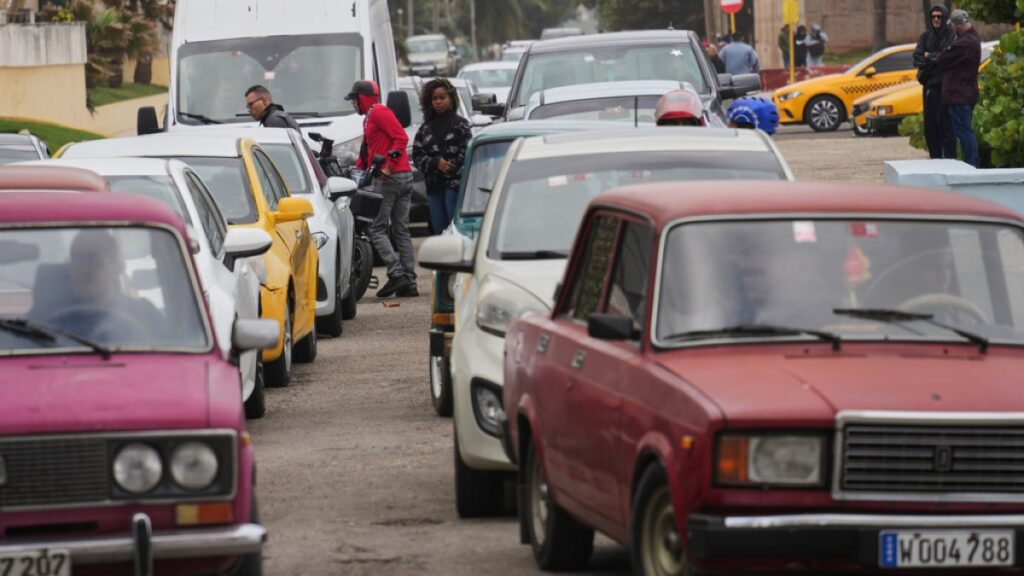
De Cossio also emphasized the broader social consequences, noting that the fuel embargo diminishes the standard of living for ordinary Cubans. Everyday activities reliant on fuel, from public transportation to electricity generation, face disruptions that exacerbate economic difficulties and social hardship.
The Cuban government has consistently called for the end of U.S. sanctions, arguing that they constitute collective punishment of the Cuban people and are a violation of international law. The United States, however, maintains that the embargo is a necessary measure aimed at pressuring the Cuban government to implement democratic reforms.
This recent condemnation by a high-ranking Cuban official underscores the ongoing tensions between the two nations and highlights the humanitarian challenges faced by Cuba amid the prolonged embargo. The situation continues to raise concerns among international observers who advocate for diplomatic solutions to alleviate the hardships caused by these sanctions.