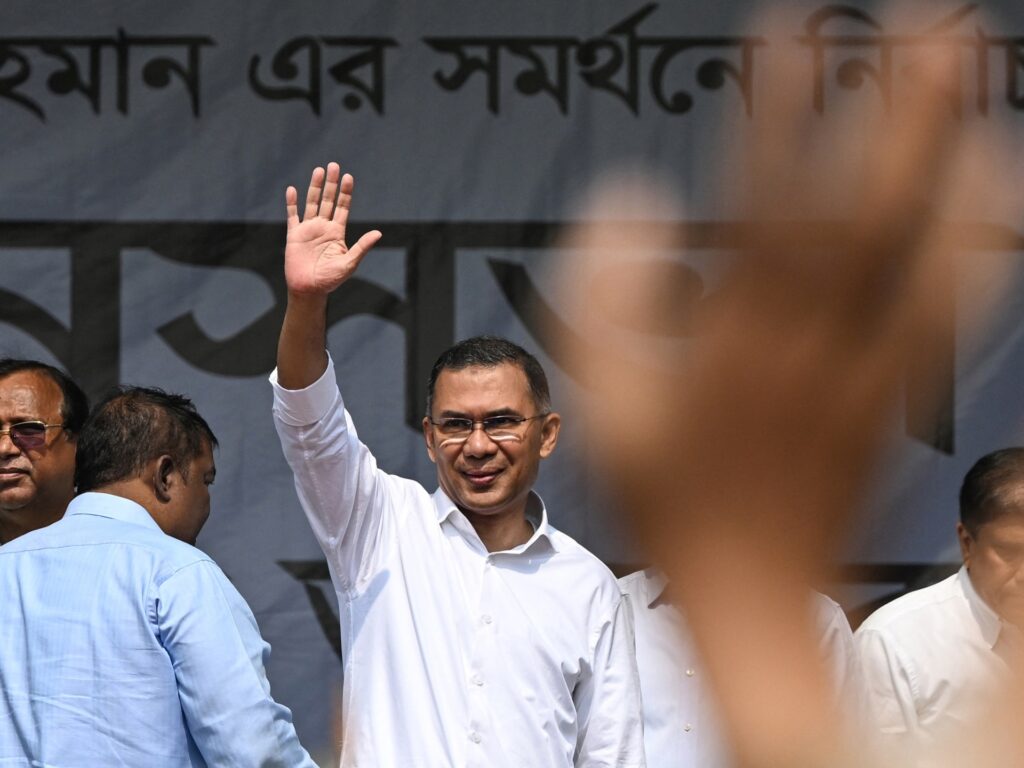
In a significant political development in Bangladesh, the Bangladesh Nationalist Party (BNP) has emerged victorious in the recent general elections, signaling a major shift in the country’s political landscape. The election results indicate a landslide win for the BNP, with Tarique Rahman, the party’s prominent leader, set to become the next Prime Minister of Bangladesh.
The interim leader of the BNP, Muhammad Yunus, publicly congratulated Tarique Rahman on the party’s overwhelming success. Yunus described the victory as a ‘landslide’, emphasizing the extent of support from the Bangladeshi electorate for BNP’s platform and leadership.
This electoral win marks a crucial moment for BNP, reestablishing its influence in Bangladesh’s governance after a period dominated by other political forces. The party’s campaign, which focused on economic development, combating corruption, and enhancing social welfare, resonated strongly with voters across the nation.
Tarique Rahman, a pivotal figure in BNP and son of former Prime Minister Khaleda Zia, has been a central personality in the party’s revival. His leadership is expected to drive a new policy direction aimed at fostering stability and prosperity.
Political analysts have pointed out that BNP’s success reflects the people’s desire for change and their confidence in Rahman’s vision for the future. The election turnout was notably high, indicating robust engagement and enthusiasm among voters.
With the election results now official, preparatory work will begin for the formation of the new government. Tarique Rahman and his party face the challenge of implementing their promised reforms amidst a complex political and economic environment.
International observers have welcomed the peaceful conduct of the elections and look forward to Bangladesh continuing its democratic journey with respect for rule of law and human rights.
As Bangladesh transitions into this new phase of governance, all eyes will be on Tarique Rahman and BNP to deliver on their commitments and steer the nation towards growth and stability.
This historic election outcome not only redefines Bangladesh’s political arena but also sets the stage for significant policy shifts and development initiatives under BNP’s stewardship.