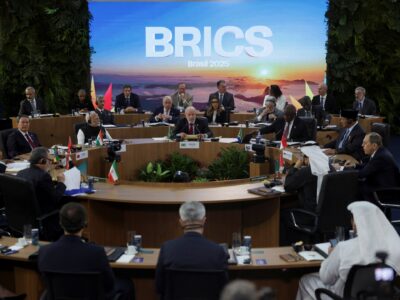
The 2026 African Union Summit is underway in Addis Ababa, with heads of state from across the continent gathering to address two major challenges: climate change and the ongoing tensions in Somaliland.
This year’s summit is uniquely themed around water, underscoring the critical role water security plays amid the growing threat of climate change in Africa. Leaders are set to discuss strategies for sustainable water management, drought resilience, and the impact of water scarcity on health, agriculture, and economic stability.
Africa, being highly vulnerable to climate change due to its vast agricultural sector and dependence on natural resources, faces increasing water-related challenges. These include droughts, floods, and water pollution, which exacerbate food insecurity and displace vulnerable populations. The summit aims to promote cooperation among member states to develop integrated water resource management frameworks that can withstand climatic stresses.
In addition to environmental issues, the summit also highlights the persistent tensions in Somaliland, a self-declared autonomous region with no official recognition internationally but seeking membership and recognition within the AU framework. Discussions around Somaliland focus on peace, security, and political inclusion, emphasizing the need for dialogue and diplomatic efforts to resolve regional disputes and foster stability.
The African Union continues to push for a unified approach to conflict resolution and climate adaptation policies. Leaders are expected to adopt new initiatives that enhance regional cooperation, strengthen early warning systems for climate disasters, and promote investment in water infrastructure.
The summit’s agenda reflects a holistic understanding that climate change and political stability are intertwined. Water scarcity can fuel conflicts, while unresolved political tensions can hinder collective action on climate issues.
Civil society organizations and climate activists have also been invited to participate in parallel sessions, contributing grassroots perspectives and advocating for more urgent and equitable climate action.
Key expected outcomes include the launch of a continent-wide water security initiative, increased funding commitments for climate adaptation, and a roadmap towards peaceful resolutions of the Somaliland situation.
The 2026 AU Summit thus marks a pivotal moment for Africa as it confronts urgent environmental and political challenges with determination and solidarity, aiming to secure a more resilient and peaceful future for the continent.