In the midst of ongoing nuclear diplomacy with Iran, the United States is taking proactive military measures by readying another aircraft carrier for deployment to the region. This move underscores Washington’s intention to maintain a strong military presence despite ongoing negotiations aimed at addressing Iran’s nuclear activities.
The deployment comes at a time when tensions in the Middle East remain high, with the US expressing concerns over Iran’s influence and activities in the region. While diplomatic efforts continue, including negotiations centered around Iran’s nuclear program, US President has indicated that military assets will be increased to deter any aggressive actions and to reassure allies.
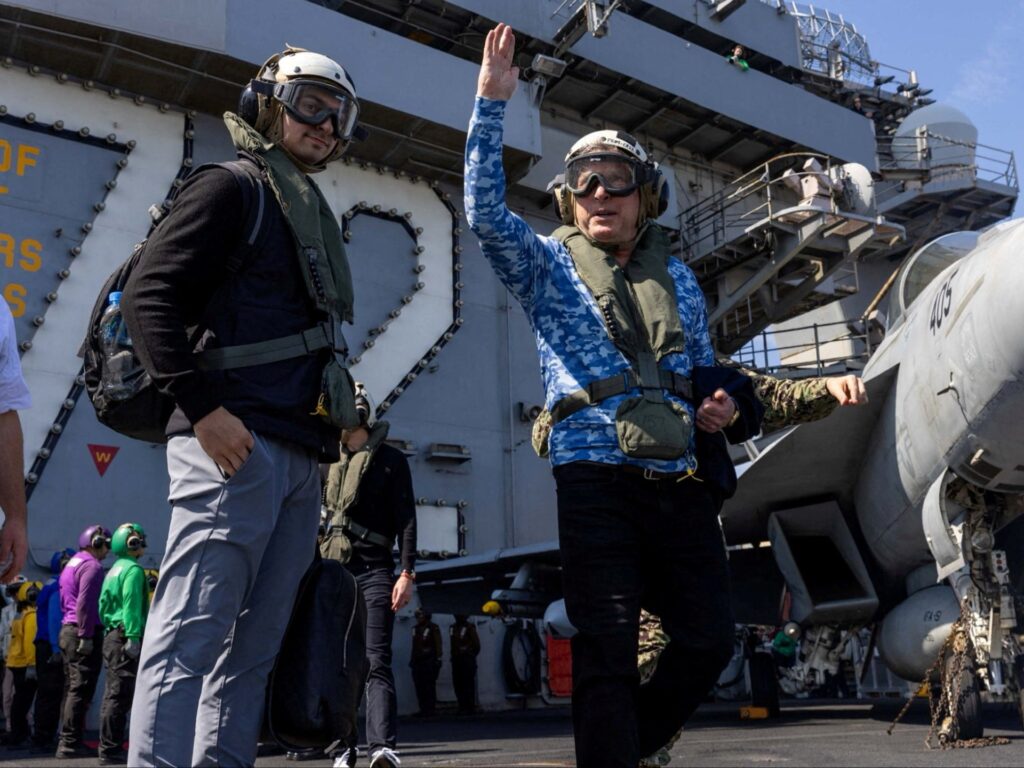
Aircraft carriers are among the most formidable assets in the US Navy, providing unmatched air power projection and operational flexibility. The decision to send an additional carrier group signals a strategic posture designed to enhance deterrence and readiness.
Sources close to the Pentagon have revealed that preparations for the carrier deployment are underway, with logistics and personnel being mobilized for the mission. The timing of the deployment appears to be a calculated measure aimed at balancing diplomatic outreach with military readiness.
Regional analysts note that the US is sending a clear message to Iran and its regional proxies that while it seeks a diplomatic solution, it remains committed to protecting its interests and maintaining stability in the Middle East.
The increased military presence is also expected to support ongoing operations against other regional threats and safeguard critical maritime routes.
Critics of the deployment caution that such actions could escalate tensions further and complicate diplomatic negotiations. However, US officials maintain that a strong military presence is essential to underpin diplomatic efforts and to respond swiftly should the situation deteriorate.
This development adds to the complex dynamics at play in US-Iran relations, where engagement and deterrence continue to operate in tandem. The coming weeks will be critical as both diplomatic talks and military posturing evolve in response to regional developments.
Ultimately, the US strategy appears to be one of cautious engagement, combining diplomatic negotiations with a clear demonstration of military capability as a means to influence Iran’s decision-making process and ensure regional security.