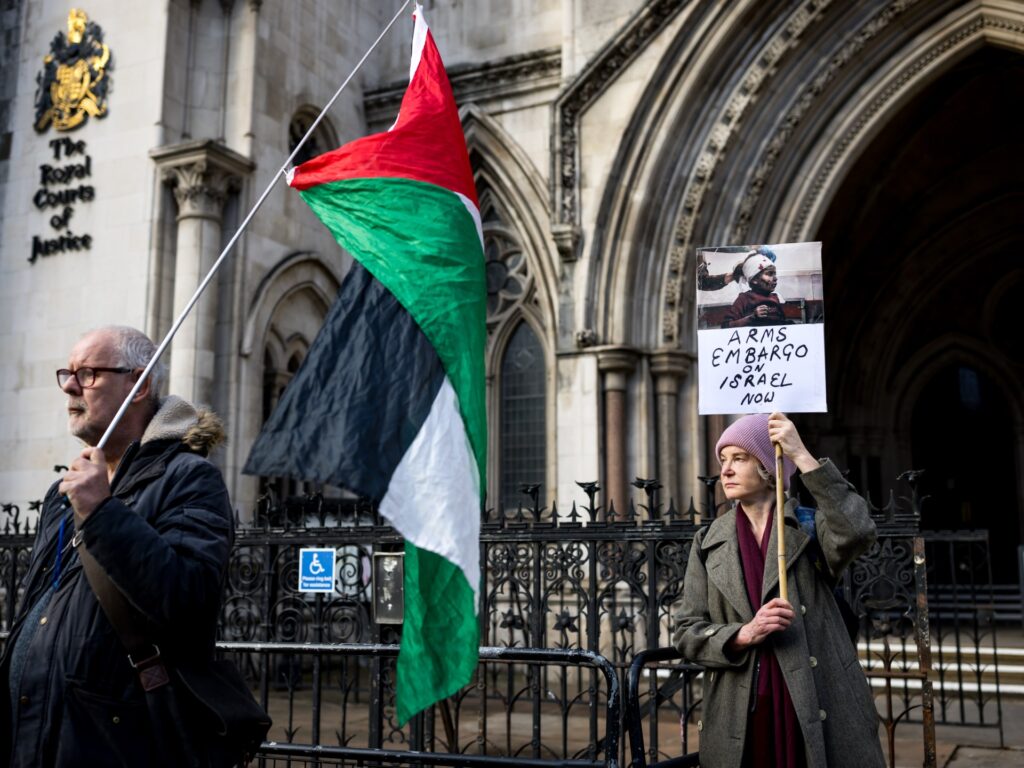
In a significant legal development, a UK court has ruled that the government’s ban on Palestine Action, an activist group, is unlawful. The verdict marks a crucial victory for activists advocating for Palestinian solidarity and raises important questions about the balance between national security and freedom of protest in the UK.
Palestine Action, known for its direct action protests targeting businesses and institutions linked to the Israeli-Palestinian conflict, was subjected to a government-imposed ban. Officials argued that the group’s activities posed a threat to public safety and national security. However, the court’s decision overturned this ban, highlighting legal protections for political activism and dissent.
Activists and supporters of Palestine Action have welcomed the ruling, seeing it as a reaffirmation of democratic rights to protest and campaign on contentious international issues. They argue that peaceful activism should not be criminalized and that the government must respect civil liberties even when faced with politically sensitive topics.
The UK government, however, has indicated that it will appeal the verdict. Government spokespeople maintain that measures like the ban are necessary to prevent disorder and protect public interests. The appeal process is expected to focus on whether the government acted within its legal powers and if the ban was justified based on the evidence presented.
This legal battle underscores the tension between ensuring national security and protecting freedom of expression. The outcome of the appeal could set important precedents for how activist groups are treated under UK law, particularly those engaged in advocacy on foreign policy matters.
The Palestine Action case has also sparked wider debate about the role of activism in shaping public opinion and policy. Many observers view activism as an essential element of democracy, enabling marginalized voices to be heard and influencing government accountability.
The court’s ruling is seen by some as a win for civil liberties and a check on government overreach. It raises questions about how governments define threats and the potential risks of using broad powers to restrict dissent.
As the UK government prepares to challenge the ruling, activists remain vigilant and continue their efforts to raise awareness about the Palestinian cause. The ongoing legal proceedings will be closely watched by human rights organizations, legal analysts, and political commentators.
In summary, the UK court’s decision to declare the ban on Palestine Action unlawful highlights complex issues surrounding protest rights, government authority, and the dynamics of political activism. The forthcoming appeal will be instrumental in charting the future landscape for activist organizations in the UK and their ability to operate without undue restrictions.