In recent developments, Russia has encountered significant setbacks in its military operations against Ukraine. The Russian forces are grappling with mounting casualties, disrupted communications, and the impact of a comprehensive oil embargo. These challenges are complicating Russia’s strategic efforts and raising the stakes in the ongoing conflict.
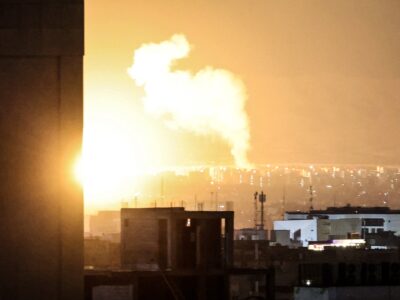
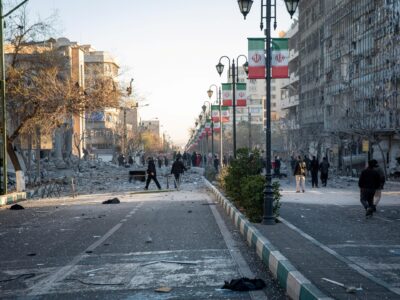
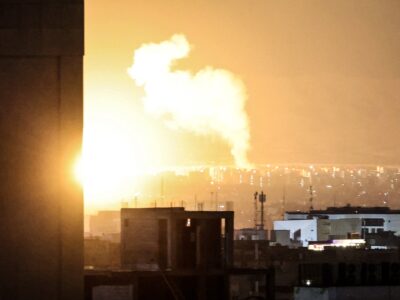
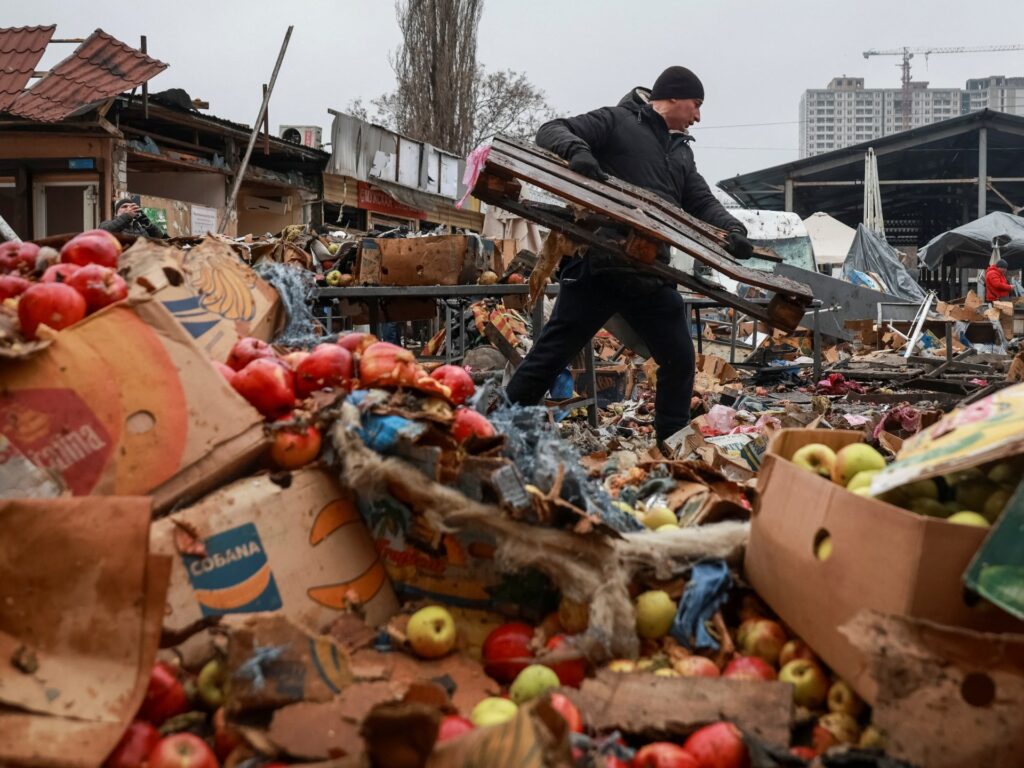
Simultaneously, Russia has intensified its offensive by launching a series of deadly air assaults targeting civilian areas in Ukraine. These air strikes have resulted in widespread destruction and have drawn international condemnation due to the heavy toll on non-combatants.
In response to the escalating violence and the changing dynamics on the ground, Ukrainian President Volodymyr Zelenskyy has vowed to adopt new front-line tactics. He emphasized the need for adaptability and innovation in the face of aggressive Russian military actions. Zelenskyy’s commitment signals a potential shift in Ukraine’s defensive strategy, aiming to counteract Russia’s air superiority and technological advantages.
The oil ban imposed on Russia adds an economic dimension to the conflict, aiming to weaken Russia’s war capability by cutting off a crucial revenue stream. This embargo, combined with communication breakdowns within Russian ranks, is undermining the cohesion and effectiveness of Russian forces.
Experts suggest that these developments could mark a pivotal moment in the conflict, potentially leading to changes in military engagement and diplomatic efforts. The international community continues to monitor the situation closely, calling for peaceful resolutions and humanitarian aid to those affected by the violence.
As the conflict persists, the resilience and strategic ingenuity of Ukrainian forces remain critical in resisting Russian advances. President Zelenskyy’s promise of new front-line tactics reflects a determination to defend sovereign territory and protect civilian populations amid one of the most intense confrontations in the region’s recent history.