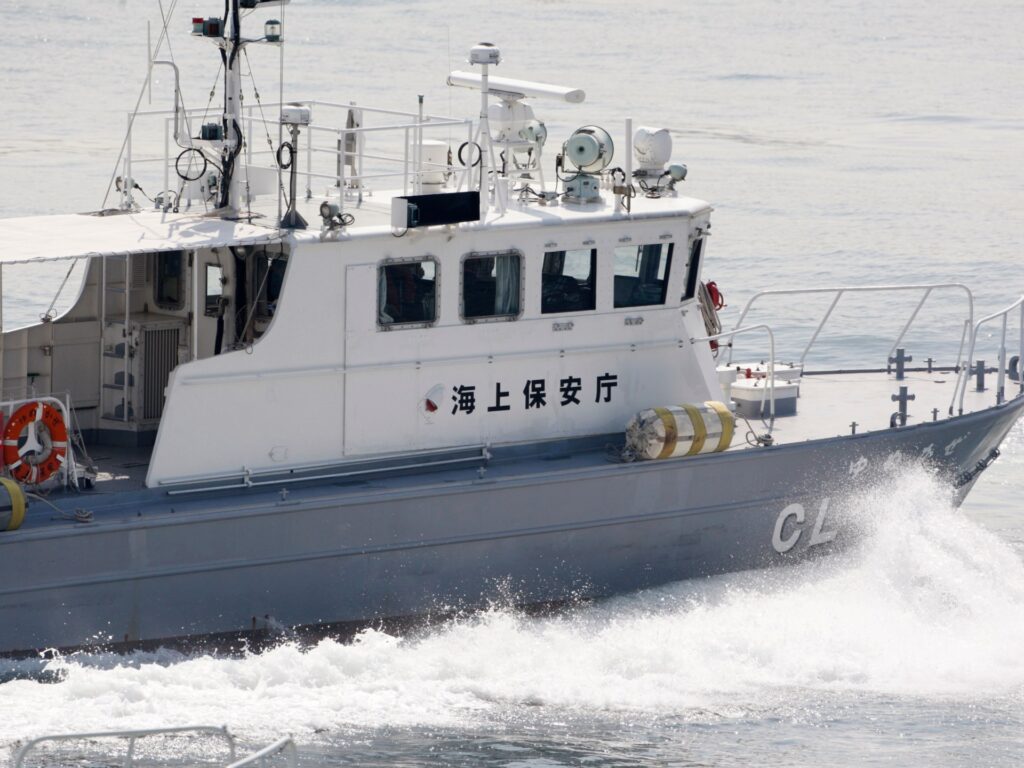
In a significant development that could escalate tensions between Japan and China, Japan’s Fisheries Agency has seized a Chinese vessel and arrested its captain. The incident occurred after the Chinese captain allegedly defied orders to stop for inspection at sea, prompting Japanese authorities to take decisive action.
According to the Fisheries Agency, the Chinese vessel was operating in waters where Japan exercises its jurisdiction, and the refusal to comply with inspection commands was deemed a serious violation of maritime regulations. The arrest of the captain was carried out to maintain maritime order and enforce national laws.
This seizure is likely to provoke diplomatic friction as it touches on the broader context of maritime disputes between Japan and China, particularly around contested waters in the East China Sea. Both countries claim sovereignty over certain areas, and incidents at sea have occasionally led to diplomatic clashes.
Maritime experts note that enforcing territorial rights is a delicate matter, as such actions can quickly spiral into wider political conflict. Japan’s move to uphold its fisheries regulations underscores its commitment to safeguarding its territorial waters, but also raises concerns about how China might respond.
The Chinese government has not yet officially commented on the arrest, but previous similar incidents have resulted in stern diplomatic protests and calls for the release of detained individuals. Analysts suggest that the situation requires careful management through diplomatic channels to prevent an escalation and ensure maritime security.
This event highlights ongoing challenges in maintaining stability and mutual respect in contested maritime zones where fishing rights, resource access, and national sovereignty are intertwined. Both Japan and China have vested interests in these waters, making cooperation and dialogue crucial despite the underlying tensions.
Observers will be monitoring how this incident influences future encounters at sea, broader geopolitical relations in East Asia, and ongoing negotiations related to maritime boundaries. The seizure of the Chinese vessel and the captain’s arrest represent more than just a legal enforcement action—they reflect the complexities and sensitivities surrounding East Asian maritime disputes.
As Japan enforces its maritime laws, it must also balance diplomatic efforts to mitigate conflict. The incident serves as a reminder of the fragile peace in the region’s seas, where national pride, economic interests, and international law converge.
Stakeholders on both sides are urged to prioritize dialogue and seek peaceful resolutions. Continued cooperation is essential for sustainable management of shared maritime resources, promotion of regional stability, and avoidance of unintended confrontations that could escalate beyond control.
In conclusion, Japan’s seizure of the Chinese vessel and the captain’s arrest is a pivotal moment that underscores the importance of adherence to maritime regulations while also necessitating diplomatic prudence. How both countries navigate the aftermath will be critical in shaping the future dynamics of East Asia’s maritime landscape.