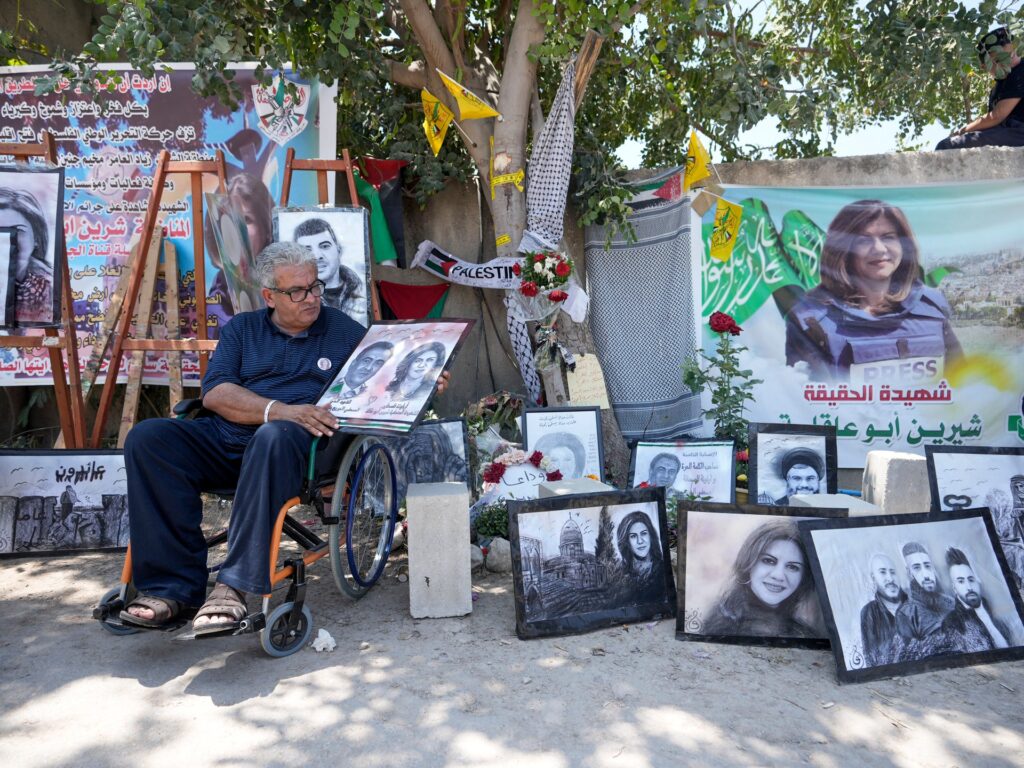
In 2022, the world was shaken by the tragic killing of Shireen Abu Akleh, a renowned Al Jazeera journalist, shot dead by an Israeli sniper while reporting. Alongside her was Palestinian journalist Ali al-Samoudi, a colleague and witness who experienced the event firsthand. The incident sparked international outrage and demands for a thorough investigation.
However, rather than being protected or recognized for his brave journalism, Ali al-Samoudi soon found himself detained and jailed by Israeli authorities. This move raised serious questions about press freedom, human rights, and the treatment of journalists in conflict zones.
Ali al-Samoudi, who was reporting alongside Abu Akleh on the ground, documented the events surrounding the shooting. His accounts and evidence countered official Israeli narratives, suggesting serious discrepancies regarding the circumstances of Abu Akleh’s death.
The reasons provided by the Israeli government for his detention include allegations that relate to his journalistic activities, which some Israeli officials claim were provocative or linked to groups hostile to Israel. Critics argue that this is a tactic to intimidate and suppress Palestinian journalists, undermining their ability to report freely.
International human rights organizations and press freedom advocates swiftly condemned the detention. They stressed that jailing a journalist who was merely performing his duty to report news is an affront to freedom of the press and transparency.
The case exemplifies the dangers journalists face in conflict areas, where their work often clashes with state narratives and interests. Witnesses like al-Samoudi are crucial in ensuring the world understands the realities on the ground, making his detention a significant blow to unbiased reporting.
Moreover, the incident highlights a broader pattern seen in the occupied territories, where Palestinian journalists routinely face harassment, detention, and violence from Israeli forces while covering daily life and conflicts.
Many see al-Samoudi’s jailing as political repression, part of a systematic effort to silence voices that challenge official versions and expose human rights violations. This tactic not only stifles news but also hampers accountability.
The international community, including press freedom watchdogs and diplomatic bodies, continue to call for al-Samoudi’s immediate release and safeguard the rights of journalists in Israel and Palestine.
This situation brings to light the critical importance of protecting journalists globally and emphasizes the urgent need for unbiased investigations into incidents such as Shireen Abu Akleh’s killing.
In summary, Ali al-Samoudi’s imprisonment by Israel following his eyewitness account of Shireen Abu Akleh’s tragic death raises profound concerns about press freedom, human rights, and the protection of impartial journalism amid ongoing conflict. It underscores the vital need for international attention and pressure to ensure justice and support for journalists who risk their lives to deliver truth to the world.