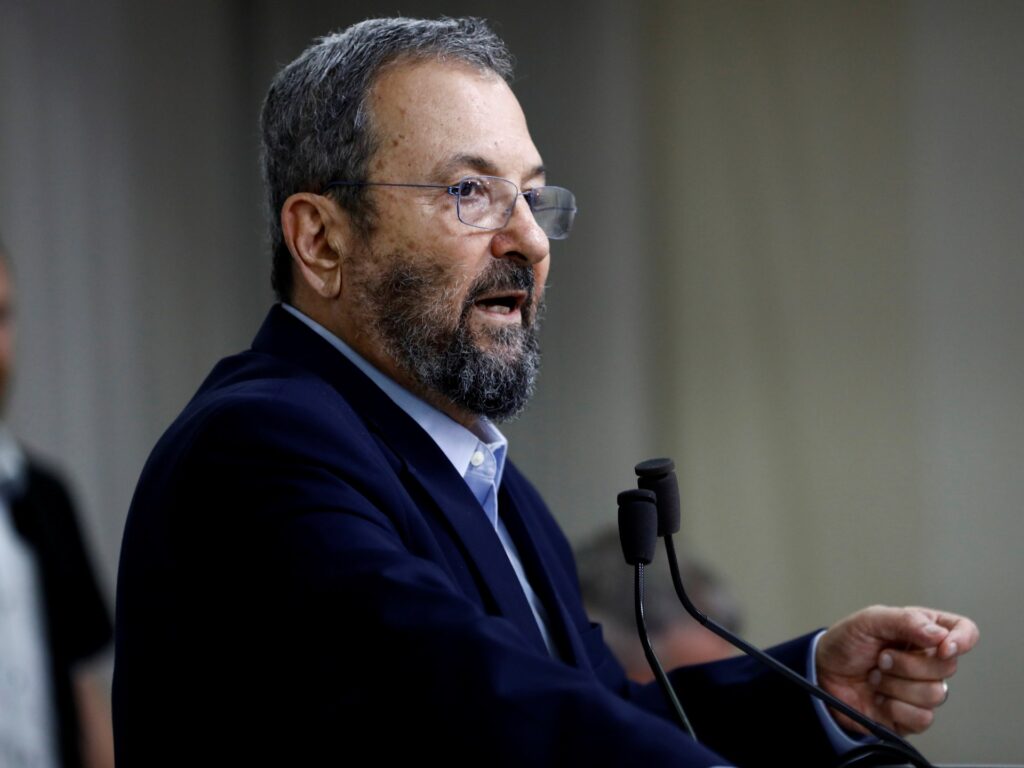
Ehud Barak, the former Prime Minister of Israel, has recently addressed growing criticism regarding his prolonged association with Jeffrey Epstein, the convicted sex offender. Barak’s relationship with Epstein reportedly lasted for about 15 years, a fact that has drawn significant public and media scrutiny. In his response, Barak expressed regret over ever meeting Epstein, highlighting a clear disapproval of the past connection. The revelations about the relationship surfaced amid broader investigations into Epstein’s network and the individuals connected to him. Barak’s acknowledgment of regret came as a step toward distancing himself from the controversies surrounding Epstein. Although the exact nature and extent of their interactions have not been fully disclosed, the association has been a point of concern in Israel and internationally. Critics have questioned how a prominent political figure could be linked to someone with such a notorious reputation. Barak’s statement of regret might be part of a strategic effort to contain the reputational damage and clarify his stance. This comes at a time when political leaders worldwide face heightened accountability for their affiliations and actions. The Epstein case continues to uncover intricate relationships and raise difficult questions about ethics, influence, and responsibility in political circles. Barak’s candid admission marks a rare moment of openness from a high-profile figure connected to Epstein. The former PM’s response may influence public opinion and contribute to ongoing debates about how such relationships should be evaluated. As investigations proceed, more information may emerge, possibly shedding light on other connections within the broader Epstein network. Meanwhile, Barak’s acknowledgment could serve as a precedent for other politicians who have faced similar scrutiny. His statement reflects a broader societal demand for transparency and ethical conduct from leaders. The repercussions of the Epstein scandal are far-reaching, affecting a diverse set of individuals across politics, finance, and entertainment. Barak’s response is a significant development in the narrative, underscoring the challenges public figures face when past associations come to light. It also raises important questions about the balance between personal relationships and public trust. The Israeli public and international observers will likely watch Barak’s next moves closely. How he manages this controversy might influence his legacy and political standing. The episode also serves as a reminder of the complexities involved in disentangling personal and professional relationships. Barak’s regret about meeting Epstein can be seen as an attempt to align himself with current ethical standards and public expectations. It remains to be seen how this will affect his future engagements and public perception. The issue highlights the broader impact of the Epstein scandal on governance and political accountability worldwide. Former PM Barak’s case adds another layer to the ongoing discourse on power, privilege, and responsibility. It also invites reflection on the mechanisms in place to prevent such controversial associations in the future. Barak’s remarks provide insight into the pressures leaders face in maintaining their reputations amid scandal. Overall, this situation accentuates the importance of ethical vigilance and transparent conduct in political life.