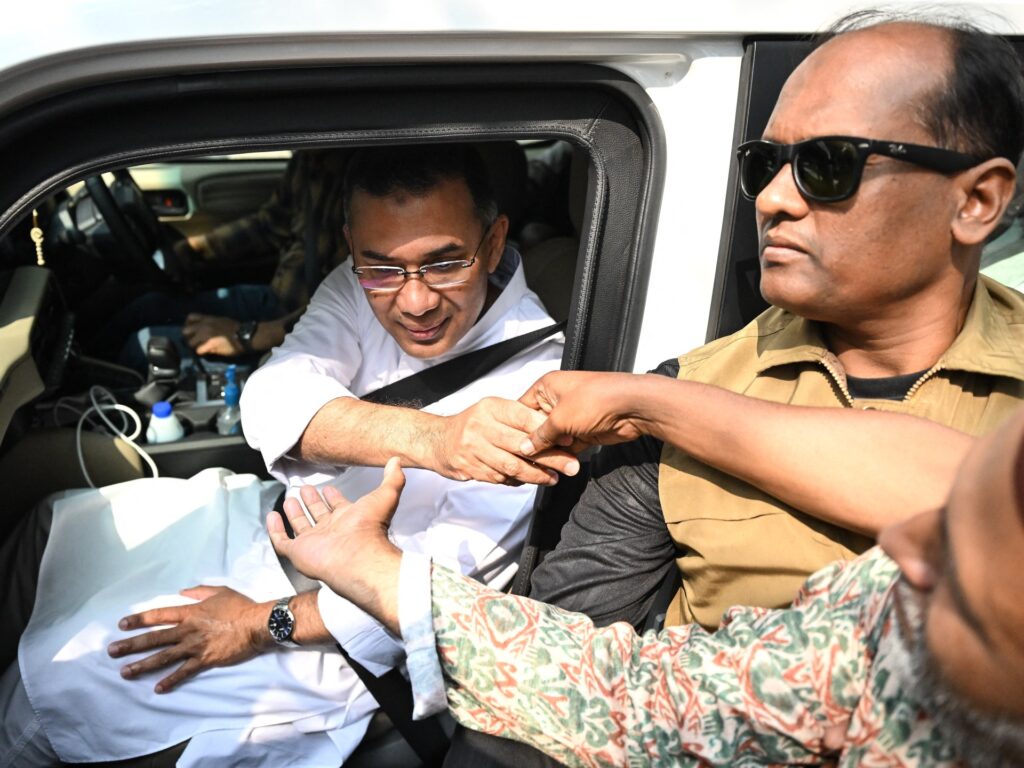
In a dramatic political development in Bangladesh, the Bangladesh Nationalist Party (BNP) has claimed a landslide victory in the country’s latest election, marking the first major electoral event since the tumultuous uprising of 2024. Led by Tarique Rahman, the prominent BNP leader and son of former Prime Minister Khaleda Zia, the party declared that it intends to form a new government by Sunday, signaling a significant shift in the nation’s political landscape.
The 2024 uprising, which shook Bangladesh to its core, led to widespread demands for political reform and brought intense scrutiny on the ruling government. This election was seen as a crucial test of the nation’s democratic resilience and ability to move past the unrest that had characterized recent years.
The BNP’s victory is notable not only because of the scale of their win but also due to the context of the political climate post-uprising. Observers had anticipated a highly competitive race given the instability and the challenges posed by the recent turmoil.
Tarique Rahman, who has been a controversial figure in Bangladesh politics, emerged as a key player during the elections. His leadership and campaign strategies appeared to resonate strongly with voters, many of whom were eager for change following the uprising and the subsequent government’s handling of the crisis.
According to initial results, the BNP secured a substantial majority in parliament, outpacing the incumbent parties and opposition groups significantly. This overwhelming support suggests a public desire for a new direction and a break from previous political establishments.
Political analysts suggest that the BNP’s promise to form a government by Sunday demonstrates both confidence and a readiness to address the urgent needs of the country. This swift move to government formation is expected to stabilize the political environment and offer Bangladesh a clearer path forward.
The reaction from various segments of society has been mixed. Supporters of BNP have celebrated the electoral victory as a triumph for democracy and change, while critics warn of potential challenges ahead, including governance issues and the need for national reconciliation after a period of intense political strife.
International observers and foreign governments are closely watching the developments in Bangladesh. They emphasize the importance of maintaining democratic principles, ensuring fair governance, and supporting the nation’s peaceful progress.
As BNP prepares to take over governance responsibilities, questions remain about how the new administration will tackle lingering issues such as economic recovery, social cohesion, and restoring public trust in state institutions.
This election marks a watershed moment for Bangladesh, with the potential to redefine its political trajectory. The BNP’s landslide win under Tarique Rahman’s leadership could usher in a new era if the party manages to deliver on its promises and unify the country after a challenging period.
For now, the political focus is firmly on the BNP’s transition to power and its immediate agenda. The world will be watching to see whether this change leads to lasting stability and growth in Bangladesh.