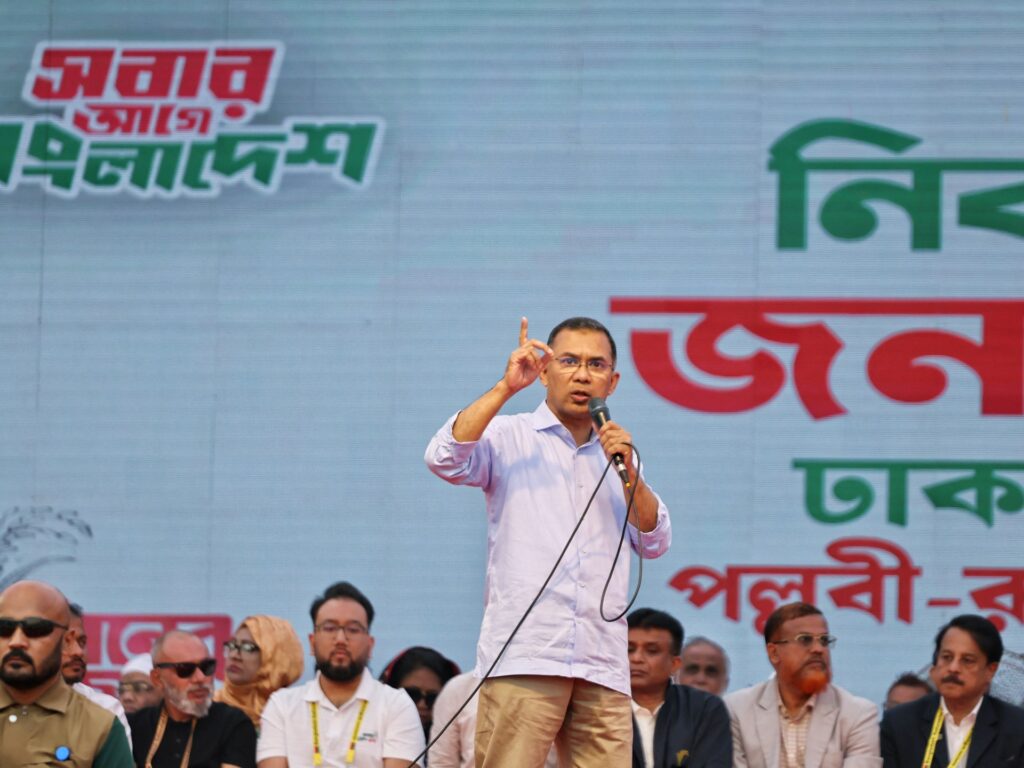
The 2026 general election in Bangladesh has marked a significant turning point in the nation’s political landscape, with the Bangladesh Nationalist Party (BNP), led by Rahman, securing a historic majority. This election is the first since the 2024 uprising, which reshaped the socio-political environment of the country.
The BNP’s victory ended years of dominance by the previous ruling party, signaling a potential shift in policy direction and governance style. The results showcase a decisive public mandate for change, reflecting widespread sentiment for new leadership and reform across the nation.
Rahman, the BNP leader, has been hailed for his campaign promises focused on economic development, strengthening democratic institutions, and addressing social inequality. His ability to unite various factions within the party played a crucial role in the triumph.
The opposition, notably the Awami League and smaller parties, suffered significant losses. Their defeat is attributed to public dissatisfaction with their handling of economic issues, governance, and the fallout from the 2024 protests. Analysts suggest the opposition must undergo introspection and possibly reinvent their strategies to regain public trust.
Election observers have generally praised the electoral process for being largely free and fair, a marked improvement from previous elections. However, some challenges such as isolated incidents of violence and logistical issues were reported but did not significantly affect the overall outcome.
With the BNP taking charge, expectations are high for stable governance and effective policy implementation. Rahman’s administration is anticipated to focus on key areas including economic revival, infrastructure development, and social justice.
International reactions have been cautiously optimistic, with many countries expressing hope for strengthened democratic processes and stable bilateral relations.
Domestically, the government faces the challenge of healing divisions exacerbated by the uprising and election campaign. Initiatives for national reconciliation and inclusive governance are expected to be prioritized.
The 2026 election results have set the stage for a new chapter in Bangladesh’s democracy. Analysts will be watching closely to see how the BNP translates its electoral mandate into tangible outcomes for the people.
In summary, the BNP’s historic majority victory under Rahman’s leadership has redefined Bangladesh’s political future, promising significant changes and raising hopes for progress and stability. The coming months will be critical as the new government begins its term, charged with fulfilling the aspirations of the electorate and addressing the complex challenges facing the nation.