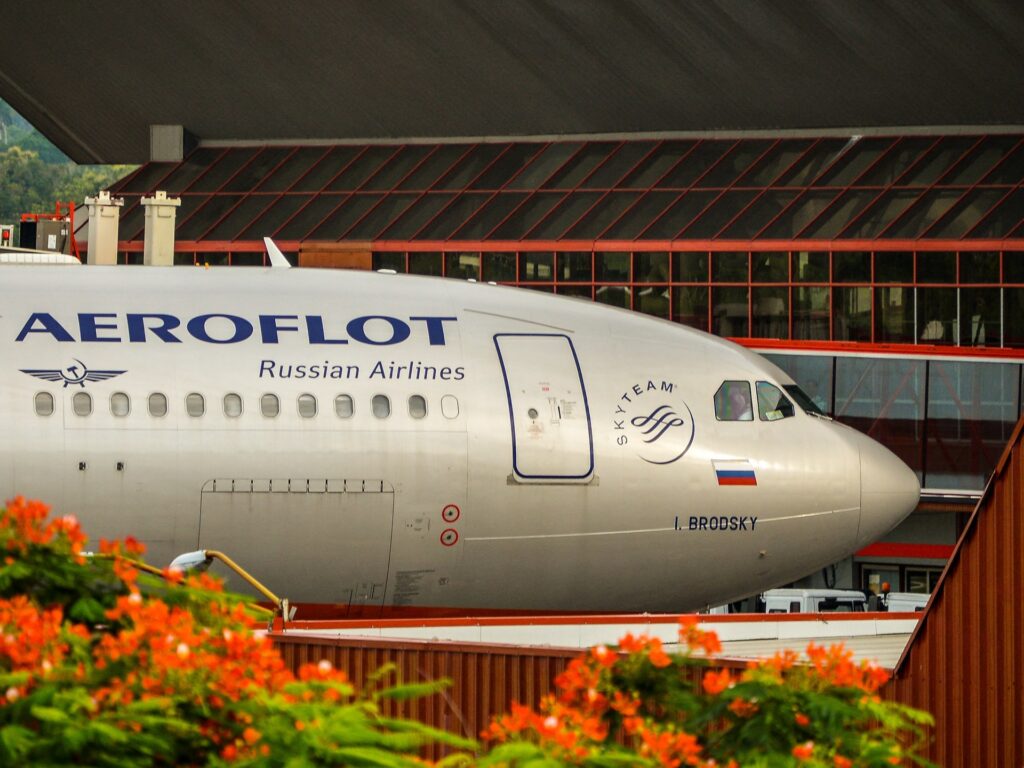
In a significant development, Russia has announced it will operate only return flights from Cuba as part of an evacuation effort for Russian tourists stranded on the Caribbean island. This move comes in response to a fuel crisis in Cuba, which Russian officials attribute to disruptions engineered by the United States. The Cuban authorities have been grappling with severe fuel shortages that have impacted transportation and essential services, prompting concerns among foreign visitors and residents alike.
The Russian government has expressed its commitment to ensuring the safe return of its citizens affected by the crisis. Special flights have been arranged exclusively to bring tourists back to Russia, marking a halt to outbound travel to Cuba until the situation stabilizes. This decision underscores the severity of the fuel shortage, which has reportedly caused widespread disruptions across the island.
The crisis is believed to have been exacerbated by US sanctions and other measures aimed at restricting Cuba’s access to fuel supplies. The impact has been felt deeply by ordinary Cubans and visitors, with limitations on public transportation, electricity reductions, and a shortage of essential goods adding to the challenges faced on the island.
Russian tourists, who constitute a significant portion of international visitors to Cuba, have expressed concerns about the ongoing situation. The evacuation effort aims to preempt any potential risks to travelers’ safety and well-being amid increasing resource scarcity.
Cuba, historically a popular destination for Russian tourists due to its cultural ties and relaxed visa policies, has seen its tourism sector strained by these developments. Hotels and resorts catering to international guests are facing operational difficulties caused by the fuel crisis, affecting their ability to provide services at customary standards.
International observers note that the unfolding crisis in Cuba highlights broader geopolitical tensions, particularly between the US and nations allied with Cuba. The move by Russia to repatriate tourists is seen as both a humanitarian and political statement against escalation of these pressures.
As the situation evolves, there are calls for diplomatic engagement to address the root causes of the crisis and to facilitate the resumption of normal travel and economic activities. For now, the focus remains on ensuring the safe return of Russian tourists and mitigating the immediate humanitarian impact of the fuel shortage on the Cuban population.
The evacuation flight operations underscore the challenges faced by nations in managing the fallout from international conflicts and sanctions. Meanwhile, Russian officials continue to monitor the situation closely, coordinating with Cuban authorities to support those affected and seeking possible solutions to restore normalcy on the island.
This development serves as a poignant reminder of the interconnectedness of global politics and the tangible effects such conflicts have on ordinary people, including tourists caught far from home during a crisis.