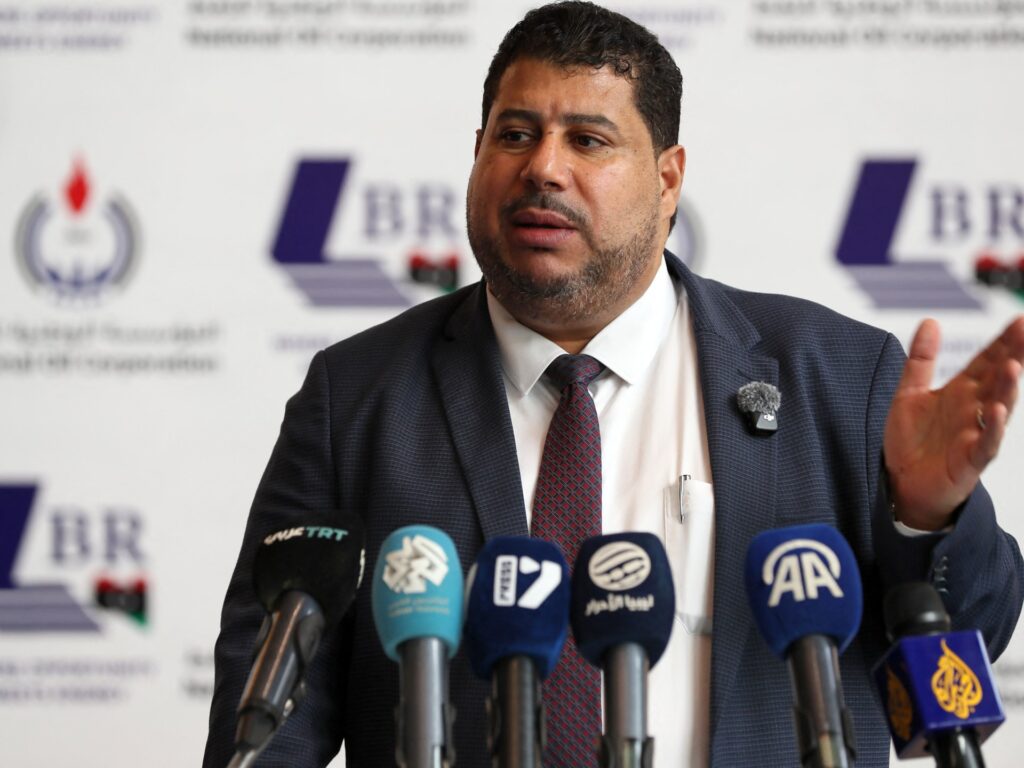
Libya has recently granted rare oil exploration licences to a select group of foreign companies, marking a significant development in the country’s energy sector. The winning bidders awarded these licences include major international oil companies such as Chevron, Eni, QatarEnergy, and the Nigerian firm Aiteo. This move signals Libya’s renewed commitment to expanding its oil exploration activities and attracting foreign investment amid challenging geopolitical circumstances.
For years, Libya’s oil industry has faced numerous obstacles including political instability and conflict, which have significantly hampered exploration and production efforts. By opening up exploration licences to foreign firms, the Libyan government aims to leverage advanced technologies and investments from established global players to boost oil output.
Chevron, a leading American oil company, is expected to bring substantial technical expertise and exploration capacities to Libya’s oil reserves, potentially increasing production efficiency and output. Italian oil major Eni, with extensive experience in North African oil fields, will likely play a strategic role in revitalizing Libya’s energy sector.
QatarEnergy, representing the Gulf region’s interests, is similarly poised to deepen cooperation with Libya, helping to expand hydrocarbon exploration in untapped areas. The Nigerian company Aiteo’s participation highlights the increasing diversity of stakeholders involved in Libya’s oil exploration landscape.
The issuance of these licences is particularly notable given Libya’s previous reluctance to grant new exploration rights amid its complex security and political landscape. The government’s decision reflects a strategic move to rebuild and stabilize the oil sector, which is a critical pillar of Libya’s economy.
Experts anticipate that the involvement of these international firms could lead to increased foreign direct investment, improved infrastructure, and ultimately greater oil production capacity. This, in turn, may enhance Libya’s role in the global energy market and provide essential revenues for economic recovery and development.
However, challenges remain as the region continues to grapple with security issues and political fragmentation. The success of these exploration initiatives will depend on the ability of the Libyan government and foreign partners to navigate these complexities and establish a secure, investor-friendly environment.
In summary, Libya’s recent granting of oil exploration licences to Chevron, Eni, QatarEnergy, and Aiteo represents a hopeful step towards revitalizing the country’s vital oil industry. It underscores Libya’s intent to foster international partnerships, attract investment, and unlock new hydrocarbon potential as part of its broader economic recovery efforts. The international energy community will be closely watching these developments as Libya seeks to reclaim its position as a significant oil producer on the global stage.