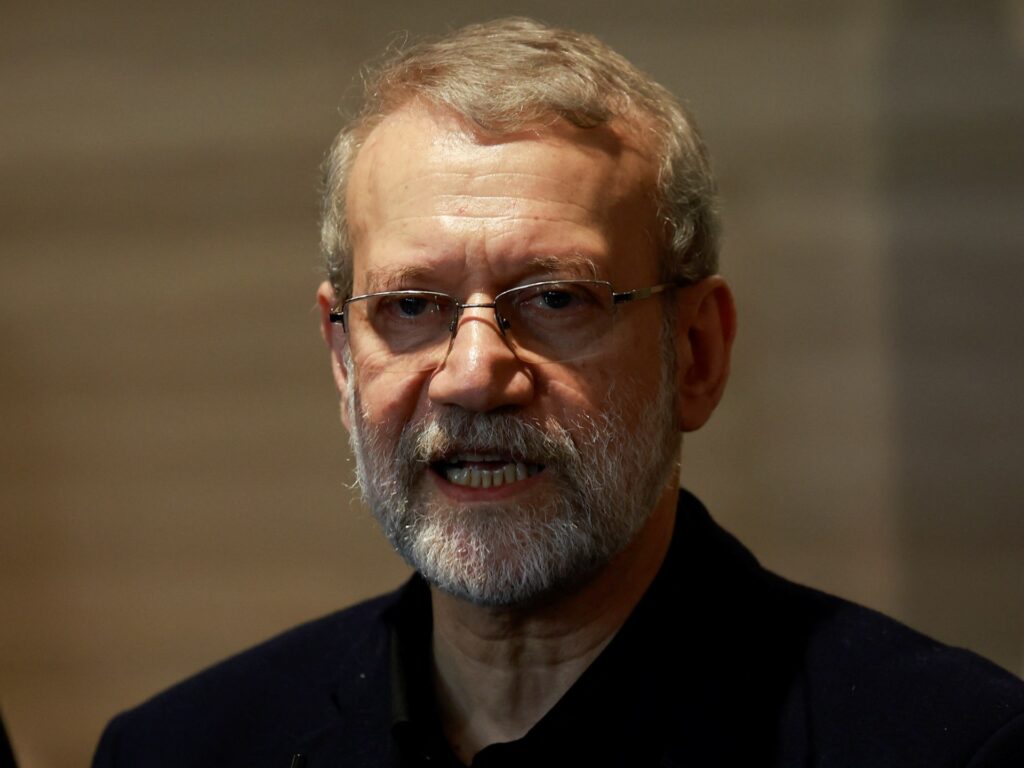
In a recent development that underscores the heightened tensions in the Middle East, Ali Larijani, Iran’s top security official, has publicly accused Israel of attempting to sabotage ongoing negotiations between Tehran and Washington. Larijani’s statement highlights the fragile nature of diplomatic efforts aimed at resolving complex issues surrounding Iran’s nuclear program and regional security.
Larijani, who holds a significant position in Iran’s security hierarchy, alleged that Israel is actively working to derail talks with the United States. He claimed that Israel’s ultimate goal is to provoke conflict in the Middle East, thereby undermining any chance for peaceful dialogue and cooperation.
This accusation reflects the longstanding animosity between Iran and Israel, with both countries viewing each other as critical threats to their national security. Israel has consistently expressed concern over Iran’s nuclear ambitions and regional influence, often advocating for tougher measures against Tehran.
The negotiations with Washington, which aim to revive or renegotiate agreements related to Iran’s nuclear program, have been tense and politically sensitive. Tehran’s efforts to engage in dialogue with the US have faced internal and external challenges, including opposition from hardliners within Iran and skepticism from allied nations.
Larijani’s comments were made in the context of increasing regional instability, where multiple actors pursue their strategic interests. By accusing Israel of sabotage, Iran attempts to shift blame for any potential setbacks in negotiations, portraying itself as a victim of external meddling.
The situation is further complicated by the broader geopolitical dynamics, including the roles of other countries in the region and international stakeholders. Efforts to achieve lasting peace and stability in the Middle East remain elusive, with diplomatic processes hindered by mistrust and divergent agendas.
Experts note that such public accusations could harden positions on both sides, potentially decreasing the likelihood of successful negotiations. They warn that escalating rhetoric might lead to miscalculations, increasing the risk of conflict.
Despite these challenges, international actors continue to encourage dialogue and negotiations as the preferred path to resolving disputes. The global community remains hopeful that diplomatic channels will prevail over confrontation, fostering an environment conducive to peace and security.
In summary, Ali Larijani’s accusations against Israel represent a significant obstacle in the delicate process of US-Iran negotiations. The blame placed on Israel for sabotage attempts highlights the complexities and high stakes involved in Middle Eastern diplomacy, emphasizing the need for continued efforts to bridge divides and promote understanding among conflicting parties.