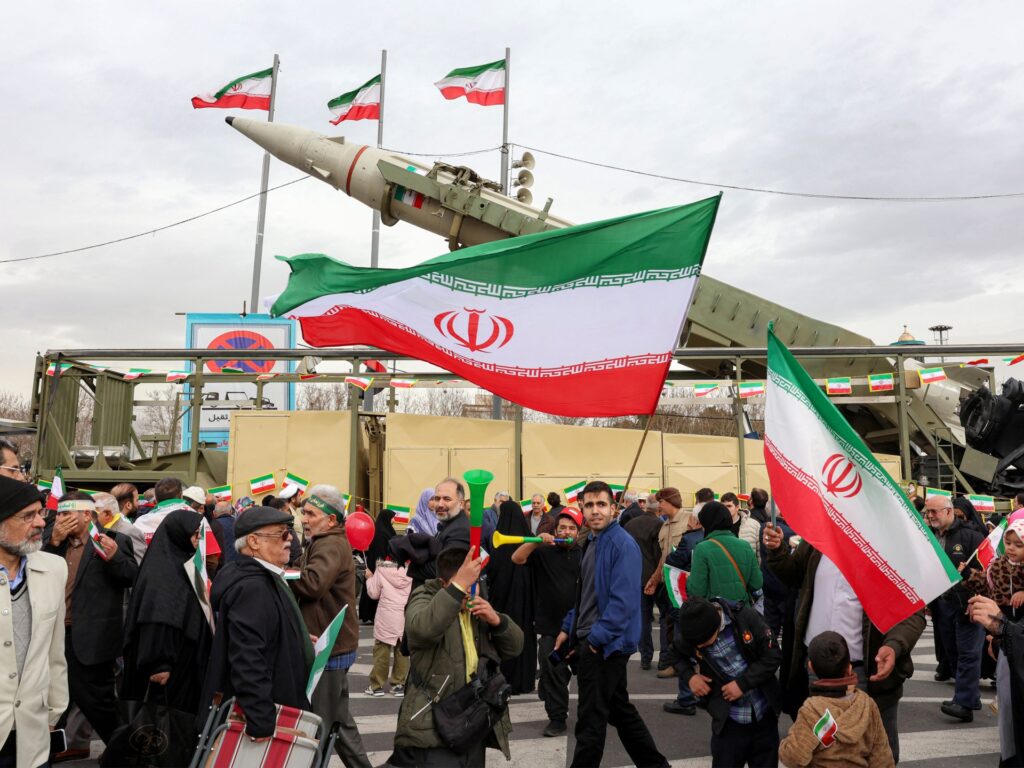
As Tehran and Washington prepare for a possible second round of nuclear talks, Iranian officials have firmly asserted that their ballistic missile program remains a non-negotiable issue. While officials from Iran have expressed a willingness to engage in dialogue regarding nuclear matters, they have made it explicitly clear that their missile development activities are off the table for negotiations.
This stance underscores the complexity and sensitivity surrounding the ongoing efforts to revive or establish agreements that address Iran’s nuclear ambitions as well as regional security concerns. The talks aim to explore pathways to limit Iran’s nuclear program in exchange for sanctions relief, but the missile program continues to be regarded by Iranian leaders as a sovereign defense capability that cannot be compromised.
Diplomatic sources indicate that this position reflects Tehran’s broader strategy to maintain strategic deterrence while engaging with international powers on nuclear non-proliferation issues. The missile program, which Iran argues is purely defensive, represents a key component of its national security doctrine.
Meanwhile, Washington views Iran’s ballistic missile development with concern, perceiving it as a potential threat to regional stability and a violation of United Nations Security Council resolutions. Despite these concerns, the US has expressed interest in resuming talks that could potentially lead to a comprehensive agreement covering all contentious issues.
The dialogue between Iran and the United States follows a period of heightened tensions and failed negotiations, indicating both parties may be seeking a diplomatic path forward to avoid further escalation. However, the insistence by Iran on keeping the missile program out of negotiations suggests that significant breaches persist between the two sides.
Experts note that the prospects for revived talks hinge on whether both nations can find common ground on key issues such as sanctions, nuclear enrichment levels, and regional security assurances. The delineation of red lines, like Iran’s stance on missiles, will continue to play a crucial role in shaping the agenda and outcomes of any future diplomatic engagements.
Analysts also emphasize the importance of international stakeholders, including European and regional actors, in facilitating these discussions. Their involvement may help bridge gaps and foster mutual trust.
As negotiations loom, the world watches closely to see if Tehran and Washington can overcome deep-rooted disagreements. Success could herald a breakthrough in Middle East security and nuclear non-proliferation, while failure could lead to further instability and conflict.
In conclusion, Iran’s firm position on its ballistic missile program, coupled with its openness to nuclear talks, encapsulates the delicate balancing act underlying these high-stakes diplomatic efforts. The outcome of forthcoming discussions will not only impact Iran-US relations but also have far-reaching implications for regional and global security architectures.