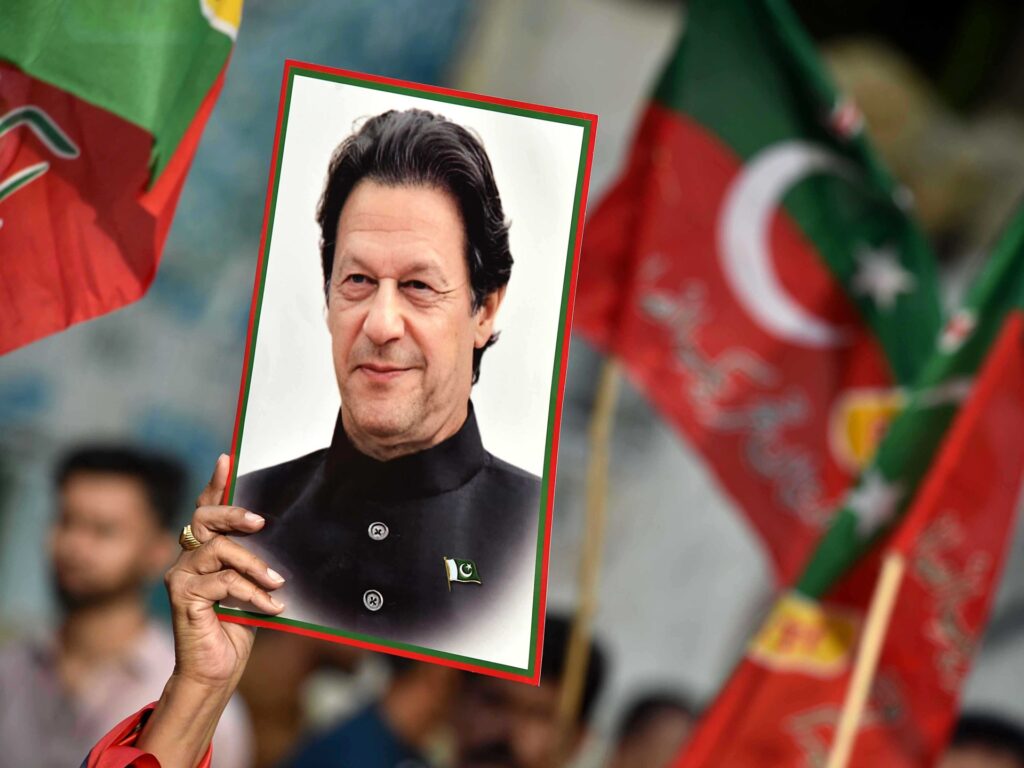
In a significant development concerning the health of former Pakistani Prime Minister Imran Khan, the Supreme Court of Pakistan has been informed that he has suffered severe vision loss, retaining only 15% vision in his right eye. This alarming revelation came to light during court proceedings, prompting immediate judicial intervention.
The health report introduced in court detailed the extent of the former premier’s vision impairment. It indicated a drastic reduction in vision, raising serious concerns about his medical condition while in custody. The report underscored the critical need for comprehensive medical care to address his deteriorating eyesight.
Following the disclosure, the Supreme Court swiftly ordered an independent medical review to be conducted. The court emphasized the importance of ensuring Imran Khan receives appropriate treatment, stating that his health must be monitored closely given the severity of his vision loss.
This order reflects the judiciary’s commitment to safeguarding the well-being of all individuals, regardless of their status, and highlights the legal system’s responsiveness to emerging health crises within the prison environment.
Imran Khan, a prominent political figure and former cricket star, has been detained amid ongoing legal challenges and political controversies since his departure from office. His health issues now add a complex dimension to his case, drawing national and international attention.
Supporters and human rights advocates have expressed concern over the former prime minister’s condition, calling for transparent medical evaluations and secure health provisions while he remains in custody. They argue that his health rights must be protected with the utmost seriousness.
The Supreme Court’s mandate for a medical review aims to ensure that these concerns are addressed with objectivity and fairness. The findings of this review are anticipated to guide further judicial decisions regarding his custodial conditions and access to medical services.
This incident sheds light on the broader challenges faced by detainees regarding healthcare access, especially those with high-profile cases. It also raises questions about the adequacy of medical facilities in detention centers across the country.
As the situation unfolds, the judiciary’s actions will be closely watched. The balance between legal processes and human rights protections continues to be a pivotal issue in Pakistan’s current political landscape.
The case of Imran Khan’s vision loss and the subsequent Supreme Court order underscore the necessity for ongoing scrutiny of detainee health conditions. It also reinforces the principle that legal accountability should not come at the cost of humane treatment.
Moving forward, the healthcare evaluation will serve as a critical tool in determining the course of his detention and legal proceedings. The government and legal entities are expected to cooperate fully with medical experts to ensure a thorough and impartial assessment.
In conclusion, the revelation of Imran Khan’s severe vision impairment has ignited a vital national conversation on detainee rights, judicial responsibility, and the intersection of health and justice. The Supreme Court’s proactive stance offers a hopeful step toward upholding these fundamental values amid complex political challenges.