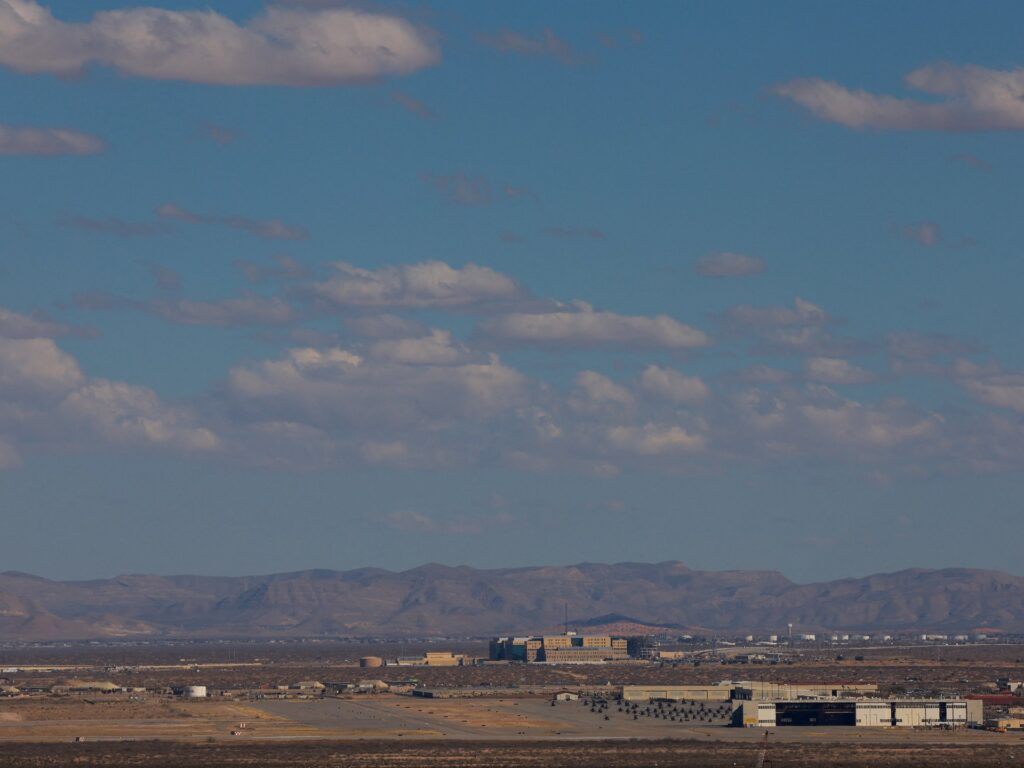
The Federal Aviation Administration (FAA) initially announced a 10-day shutdown of airspace above El Paso, citing security concerns and the unexpected detection of drones. The closure was meant to ensure the safety of both air traffic and the public amid fears that unauthorized drones in the area could pose threats.
However, less than eight hours after the initial announcement, the FAA surprisingly lifted the airspace restriction, leading to confusion among residents, travelers, and local officials. The abrupt reversal raised questions about the accuracy and reliability of the FAA’s initial assessment.
According to reports, the presence of drones, particularly near sensitive locations such as border areas and critical infrastructure, triggered heightened alert levels. Authorities worried that these drones could be used for illegal surveillance, smuggling, or other nefarious activities. This concern prompted the FAA to take precautionary measures to halt all air traffic temporarily.
The decision to shut down the airspace caused significant disruptions, affecting commercial flights, private pilots, and even emergency medical flights operating in and out of El Paso International Airport. Passengers faced cancellations and delays, straining airport resources and public patience.
Following intense scrutiny and verification efforts, the FAA reevaluated the situation. It turned out that the drone sightings might have been misinterpreted or that risks were overestimated. With no immediate threats confirmed, the FAA rescinded the 10-day closure and resumed normal airspace operations.
The incident highlighted several challenges: the increasing use of drones in civilian airspace, the complexities of managing airspace security, and the difficulties in quickly responding to potential threats without causing undue alarm.
Local officials and aviation experts have called for better communication protocols and clearer guidelines for dealing with drone-related security concerns. They emphasize the need for improved technology to better identify and manage unmanned aerial vehicles (UAVs) to avoid similar disruptions in the future.
In summary, the El Paso airspace shutdown was a reaction to perceived security threats associated with drone activity. The quick reversal of the closure exposed the tension between aviation safety protocols and the evolving landscape of drone technology and security enforcement. As drones become more common, authorities continue to learn how to integrate them safely into the national airspace system while balancing public safety and operational continuity.