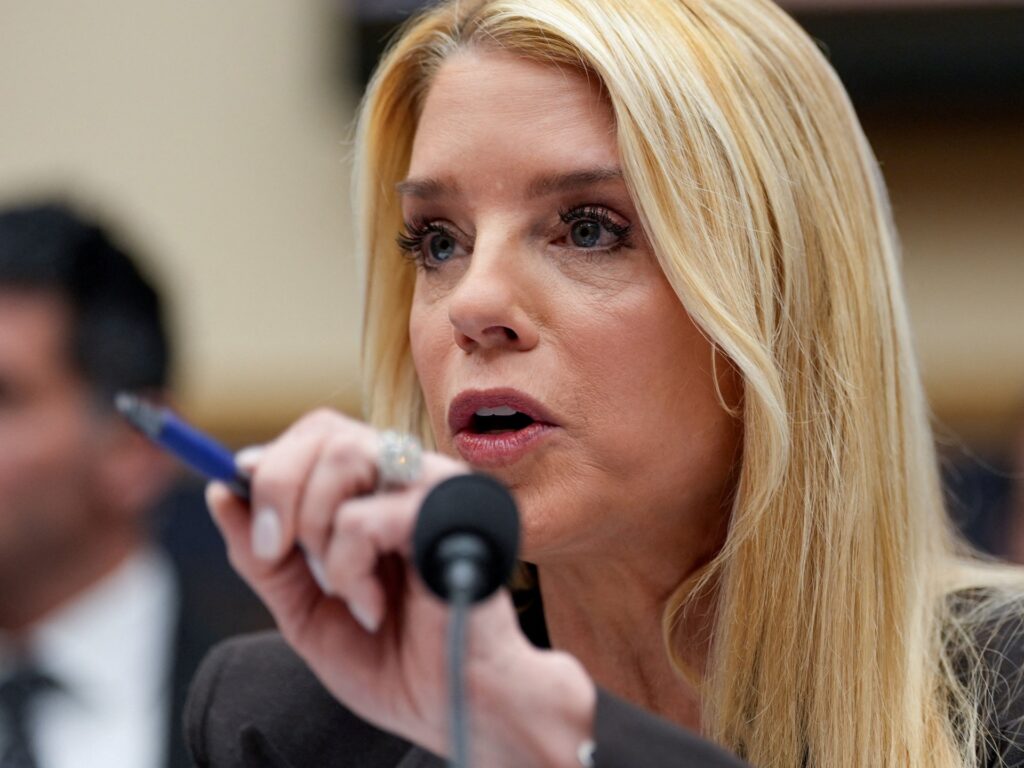
US Congresswoman Pramila Jayapal has publicly called on Attorney General Pam Bondi to issue a formal apology to the victims of Jeffrey Epstein. Epstein, a financier who was charged with running an extensive sex trafficking network involving underage girls, has left a lasting impact on the lives of many survivors who continue to seek justice and recognition.
Congresswoman Jayapal’s demand comes amid scrutiny over Bondi’s previous connections and actions related to the Epstein case. Critics suggest that Bondi failed to take adequate measures or showed leniency in dealing with Epstein, which has caused additional pain to the victims.
Jayapal emphasized the importance of acknowledging the survivors’ trauma and the need for transparency and accountability from law enforcement and government officials. She stated that an apology from Bondi could be a crucial step toward healing and rebuilding trust within the community.
The call for an apology is part of a broader movement demanding greater responsibility from public officials who were perceived to protect or overlook Epstein’s illicit activities. Civil rights organizations and some lawmakers share the concern that the victims were not given the justice they deserved.
Attorney General Pam Bondi has not yet responded to these calls publicly. However, voices from advocacy groups continue to urge her and other involved officials to confront the past openly and support victims in their pursuit of closure.
This development highlights ongoing issues around the handling of high-profile sex trafficking cases and the accountability of those in power. As the conversation unfolds, many hope it will strengthen efforts to protect vulnerable individuals and ensure justice is served without bias or favoritism.
The Epstein scandal remains a significant topic in discussions about systemic failures in the criminal justice system, especially regarding sexual abuse and exploitation of minors. The spotlight on Bondi’s role reflects larger challenges in addressing complicity and negligence within the legal framework.
Congresswoman Jayapal’s advocacy brings renewed attention to the victims’ plight and reinforces the demand for empathy and concrete action from government leaders. Her stance aligns with efforts to enhance victims’ rights and encourage a culture of openness and responsibility.
Ultimately, the call for an apology is more than symbolic; it represents a crucial acknowledgment of harm and a commitment to preventing similar injustices in the future. It also serves as a reminder that victim-centered approaches are essential in the pursuit of comprehensive justice.