The recently concluded elections in Bangladesh have captured international attention as citizens turned out in large numbers to vote in what is being described as a landmark election. This pivotal electoral process comes after a significant 2024 student-led uprising that demanded a return to democratic governance in the country.
The polls, which closed recently, featured a high-stakes contest mainly between the Bangladesh Nationalist Party (BNP) and Jamaat-e-Islami (Jamaat). Both parties have historically played influential roles in Bangladesh’s political landscape, and this election is crucial for determining the nation’s leadership direction.
The atmosphere leading up to the election was charged with anticipation and hope, as the population awaited a definitive return to democracy following years of political turmoil. The 2024 uprising led by students was rooted in demands for greater transparency, accountability, and freedom. It galvanized a massive movement that pressured the ruling authorities to hold free and fair elections.
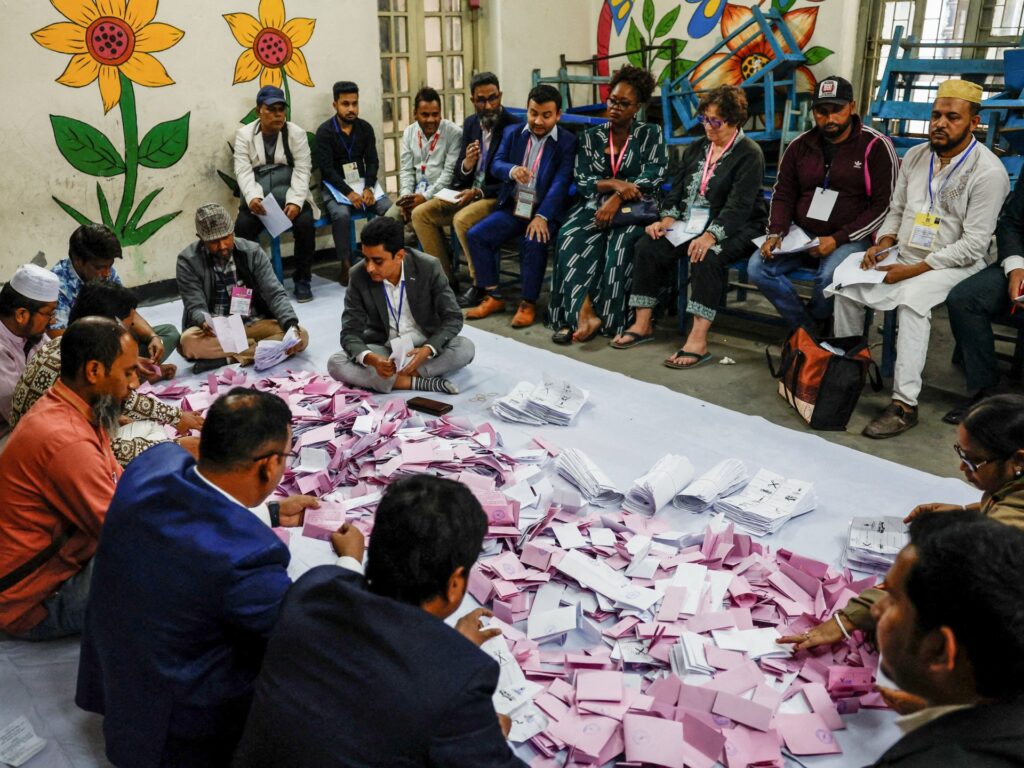
As the votes were being counted, reports indicated a closely fought race that could redefine Bangladesh’s political fabric. The BNP, known for its nationalist stance, and Jamaat, which has a conservative Islamic platform, both received significant support, reflecting the diverse political aspirations of the electorate.
Observers note that this election is not only a political event but also a social milestone, as it symbolizes the resilience of democratic ideals against decades of challenges. The election commission and international monitors closely scrutinized the process to ensure fairness and transparency in vote counting and reporting.
The results showed a vibrant democratic process, with citizens actively participating in selecting their representatives. Many voters expressed their hopes that the new leadership would address pressing issues such as economic development, education, healthcare, and human rights.
Political analysts suggest that the outcome of this election could impact Bangladesh’s relations on the regional and global stage, especially considering its strategic position in South Asia. The successful conduct of the elections and peaceful transition of power, if confirmed, would set a precedent for democratic practices in the region.
The international community has largely welcomed the election results and urged the new government to uphold the principles of democracy and inclusiveness. There is widespread optimism that Bangladesh’s renewed commitment to democracy will foster stability and prosperity for its citizens.
In summary, Bangladesh’s 2024 election marks a historic moment following a significant student-led movement demanding democratic reforms. With polls now closed, the nation waits anxiously for certified results that will shape the future political and social landscape. The close contest between BNP and Jamaat reflects the dynamic political engagement of the Bangladesh people and their hopes for a better democratic future.