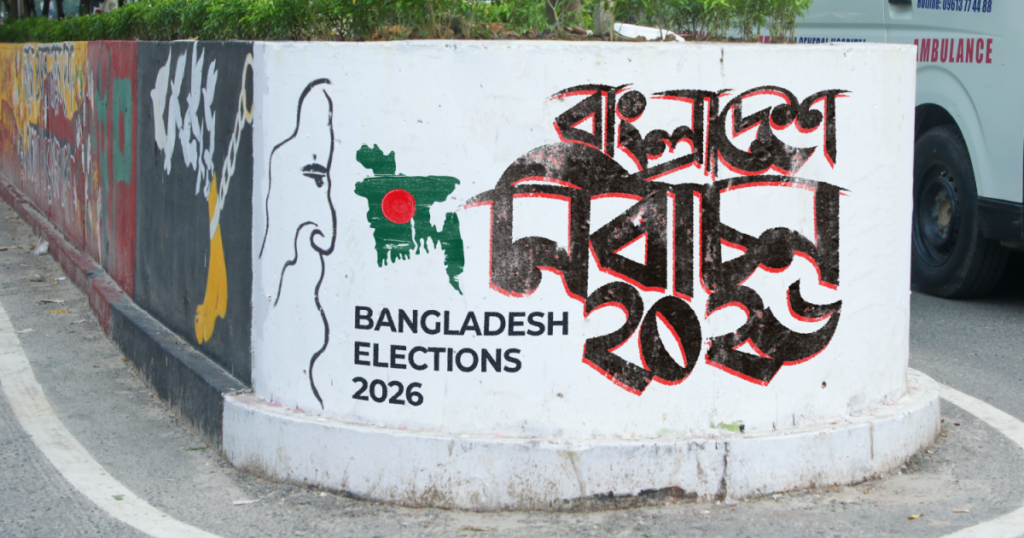
The 2026 Bangladesh general election has officially commenced with polling stations opening nationwide under a heavy security presence. This critical election is a direct contest between the main opposition candidate Tarique Rahman’s Bangladesh Nationalist Party (BNP) and a coalition led by Jamaat-e-Islami consisting of 11 parties. Voters across the country have turned out early, keen to make their voices heard in what is shaping up to be one of the most closely watched elections in recent years.
Security forces have been deployed in large numbers to ensure peace and prevent any acts of violence or disruptions at polling stations. Given the intense political rivalry and the stakes involved, the government has prioritized a secure environment for voters and election officials alike.
Tarique Rahman, a prominent political figure and leader of the BNP, is seen as the frontrunner in this election. His campaign has focused on promises of economic reform, national unity, and improved governance. Supporters of the BNP have expressed optimism about their chances of pulling off an electoral victory after years of political challenges.
The Jamaat-e-Islami-led coalition, meanwhile, represents a coalition of 11 different parties coming together to challenge BNP’s dominance. This alliance marks a significant political development, aiming to consolidate votes across a wider spectrum of the population by uniting various smaller parties with aligned interests and ideologies.
The election commission has implemented extensive measures to facilitate smooth voting processes, including increased deployment of electoral staff, installation of surveillance cameras at key locations, and provision of voter education programs to enhance public understanding of voting procedures.
Political analysts are closely monitoring the election, anticipating that the outcome will have profound implications for the country’s political landscape, economic policies, and foreign relations. The election is being described as a test of Bangladesh’s democratic institutions and the maturity of its electoral process.
International observers have also been invited to witness the election, reflecting the global interest in Bangladesh’s political stability and development trajectory. Observers will assess if the election is conducted freely and fairly, and will monitor for any irregularities or incidents that could affect the legitimacy of the results.
Voters face a choice that will influence the nation’s direction on issues ranging from economic development to social policies, and their participation is crucial. The high turnout and the peaceful conduct of the polls so far indicate a strong public engagement with the democratic process.
As results start coming in after the polls close, all eyes will remain on the election commission’s announcements. The 2026 Bangladesh general election is more than just a routine vote; it is a pivotal moment that tests the resilience of Bangladesh’s democracy and the aspirations of its people to shape their future through a transparent and peaceful election.