A US family is urgently calling for the release of Leqaa Kordia, a pro-Palestine protester who was hospitalized after being held in an immigration detention center. According to reports, Kordia was rushed to the hospital from the detention facility due to a serious health condition, but her loved ones express frustration over the lack of clear communication from immigration agents.
The family alleges that they were “stonewalled” when seeking information about Kordia’s health and whereabouts, raising concerns about transparency and detainee welfare within the immigration system. They claim that despite repeated attempts to contact detention officials, they received minimal responses, prompting public advocacy for her immediate release.
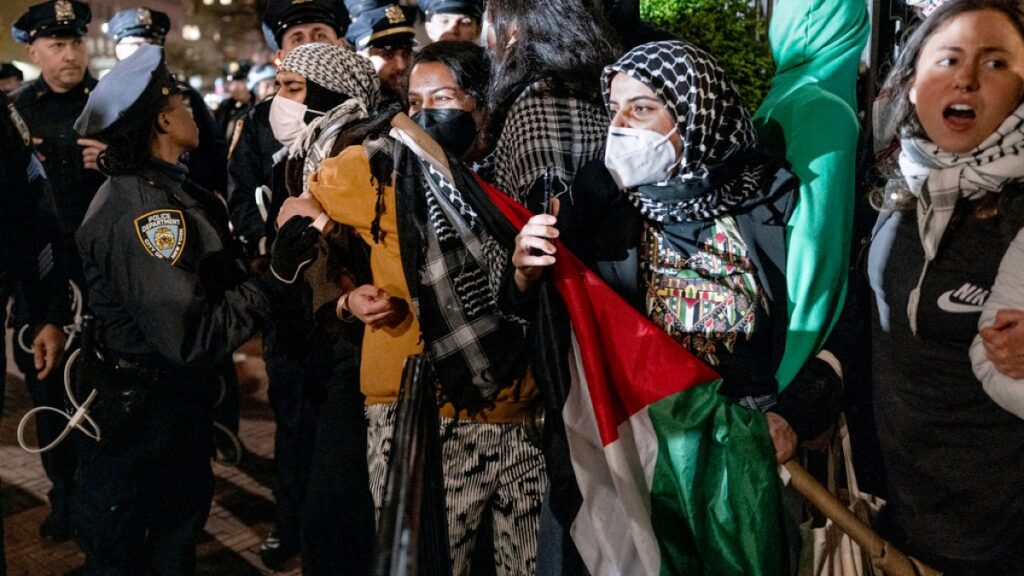
Leqaa Kordia, known for her participation in pro-Palestine demonstrations, was detained under circumstances that remain unclear to the public. The hospitalization has intensified scrutiny of the treatment of detainees in immigration custody, particularly activists and protesters.
Human rights advocates emphasize the importance of ensuring detainees receive timely medical care and maintaining open communication with families, especially in cases involving political activism. The lack of information available to Kordia’s family underscores ongoing challenges faced by detainees and their supporters when navigating the immigration detention system.
The case has sparked a wider dialogue about the rights of detainees, accountability of immigration authorities, and the treatment of political protesters within the US immigration enforcement framework. Supporters of Kordia have mobilized to raise awareness and push for systemic changes to prevent similar situations.
In response, immigration officials have not provided detailed comments on the case but reaffirm the importance of detainee health and safety protocols. Meanwhile, Kordia’s family remains steadfast in their demand for her swift release to access appropriate medical care outside of detention.
This incident highlights critical issues at the intersection of political activism, immigration enforcement, and human rights protections. As investigations and advocacy efforts continue, the hope remains that detainees like Kordia will receive just treatment and that systemic reforms will be prioritized to prevent future occurrences of neglect or mistreatment in detention settings.