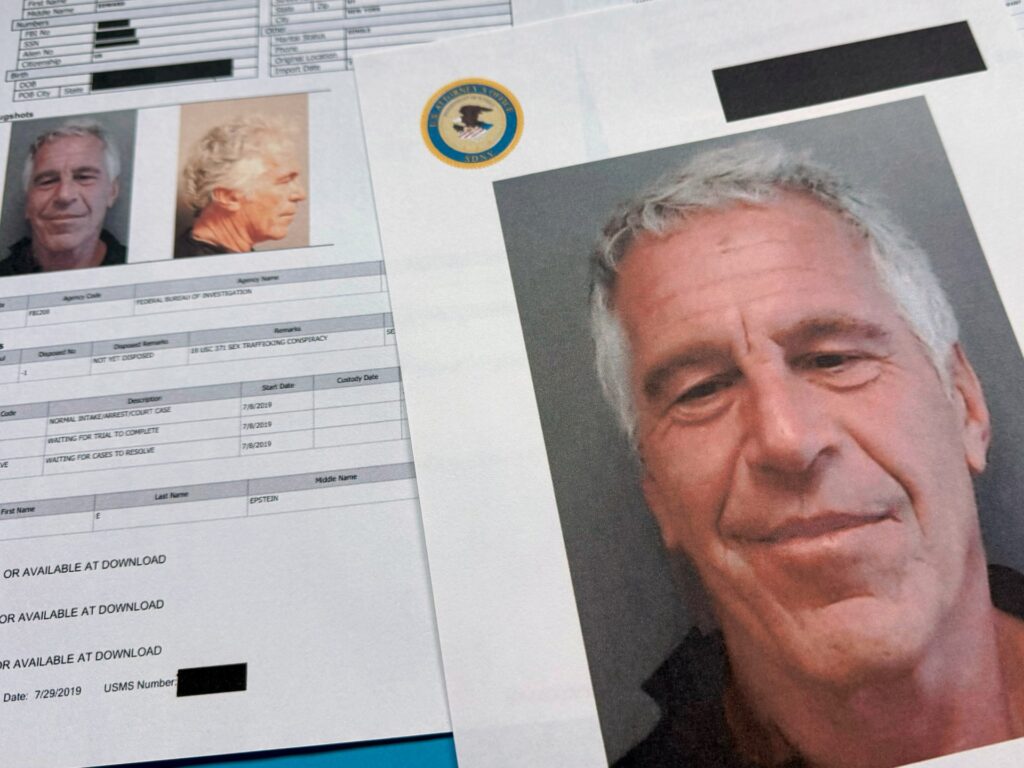
In recent developments surrounding the infamous Jeffrey Epstein case, a US congressman has publicly named six men whose names were previously redacted in documents related to Epstein’s activities. These names include a US billionaire and a Dubai-based CEO, stirring significant public interest and raising questions about the extent of information withheld from the public.
The Epstein files, known for detailing a network of influential individuals linked to Epstein’s alleged criminal activities, have long been shrouded in secrecy. Many names within these files were blacked out, fueling speculation about the reasons behind such redactions.
The congressman’s revelation sheds light on why these redactions might have taken place. The inclusion of high-profile individuals, such as prominent business leaders from the US and abroad, suggests that the redactions were potentially made to protect sensitive information or avoid derailing ongoing investigations.
The US billionaire identified amongst the six men is a figure whose name alone carries weight in international business and politics. Meanwhile, the Dubai CEO is a key player in one of the most economically dynamic regions in the world. Both names being redacted points to the intersection of wealth, power, and legal complexity within the Epstein case.
This disclosure has prompted calls for increased transparency and accountability. Critics argue that these redactions limit the public’s right to understand the full scope of Epstein’s network and undermine trust in the justice system. Supporters of the redactions suggest they were necessary to protect ongoing investigations and the legal rights of the individuals involved.
Experts suggest that the redacted names in the Epstein files highlight the challenges faced by prosecutors and investigators when dealing with cases involving influential figures. Balancing the need for public transparency with legal constraints and privacy concerns is a delicate task.
The congressman’s move to name these individuals publicly represents a bold step toward breaking the silence often associated with high-profile cases involving powerful people. It signals a push for more openness and accountability in how such sensitive cases are handled.
Public reaction has been mixed, with many demanding that more information be released to the public and that all individuals implicated be thoroughly investigated. Advocacy groups emphasize the importance of justice not being hindered by status or connections.
As investigations continue, the unredacted names could lead to new insights into the Epstein case, potentially revealing more about the extent of the network involved and its operations. Law enforcement agencies are under increasing pressure to provide clarity and ensure that justice is served without bias.
The Epstein files continue to be a focal point for discussions around privilege, justice, and transparency in the legal system, highlighting the complexities of prosecuting cases involving wealthy and influential figures. The recent naming of six redacted individuals adds a new chapter to this ongoing saga and underscores the continuing demand for accountability and truth in high-profile criminal investigations.