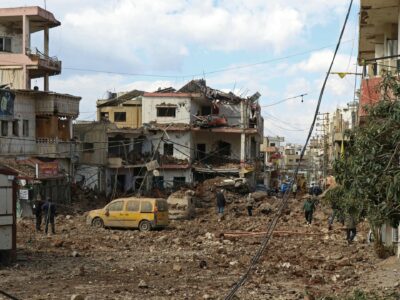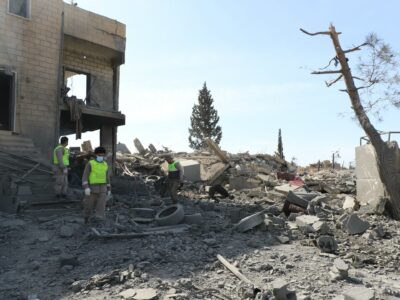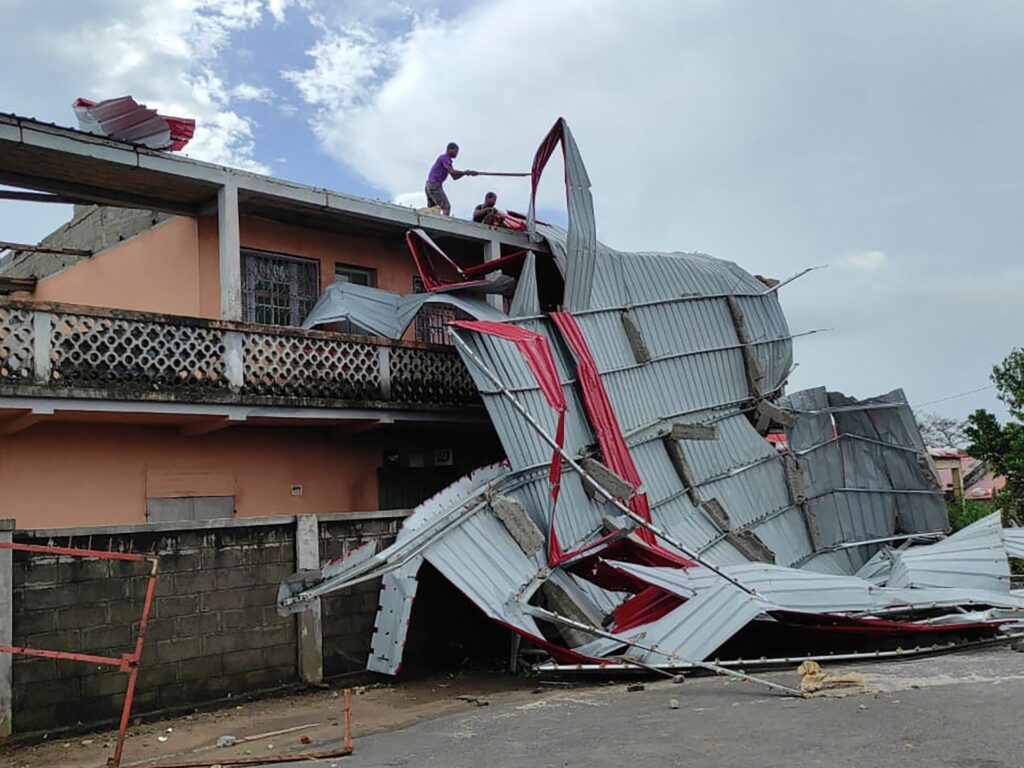
Cyclone Gezani has struck Madagascar with devastating consequences, leaving at least nine people dead. The intense storm, described by experts as “monstrous,” wreaked havoc across the island nation, compounding the challenges already facing the country in the aftermath of Cyclone Fytia. Gezani’s impact comes merely 11 days after Cyclone Fytia caused significant loss of life and destruction, claiming 12 lives and damaging countless homes and health facilities.
The recently affected areas are grappling with the destruction of their infrastructure and the humanitarian crisis that follows such natural disasters. Cyclone Fytia, which hit the region earlier this month, resulted in the destruction of approximately 18,600 houses, leaving thousands homeless and struggling to find shelter. In addition to residential damage, 20 health facilities were reported destroyed, severely hindering medical services during this critical period.
With Cyclone Gezani now adding to the devastation, Madagascar faces an escalating emergency. The cyclone has caused widespread flooding, landslides, and power outages, further complicating rescue and relief operations. Authorities and emergency responders are working tirelessly to assess the full scope of the damage and provide immediate aid to the affected populations.
The back-to-back cyclones highlight the increasing vulnerability of Madagascar to extreme weather events, a trend scientists often link to climate change. These storms not only threaten human lives but also destabilize local economies and hinder development efforts by destroying vital infrastructure.
International organizations and neighboring countries have extended support to Madagascar, offering resources and expertise to aid in recovery and rebuilding efforts. However, the scale of the destruction means that relief and rehabilitation will be long-term challenges requiring sustained attention and funding.
Communities are urged to remain vigilant as tropical storm conditions may continue, and authorities are reinforcing warnings and evacuation plans where necessary. In the face of these disasters, resilience and solidarity among Madagascar’s people and their partners worldwide become crucial in navigating the path to recovery.
As the nation mourns the lives lost to Cyclones Gezani and Fytia, the focus now turns to rebuilding and preparing for future storms. Ensuring strengthened infrastructure, better emergency preparedness, and addressing the broader issues of climate resilience remain high priorities for Madagascar moving forward. The storm’s aftermath is a sobering reminder of the power of nature and the urgent need for comprehensive strategies to protect vulnerable communities from such calamities.