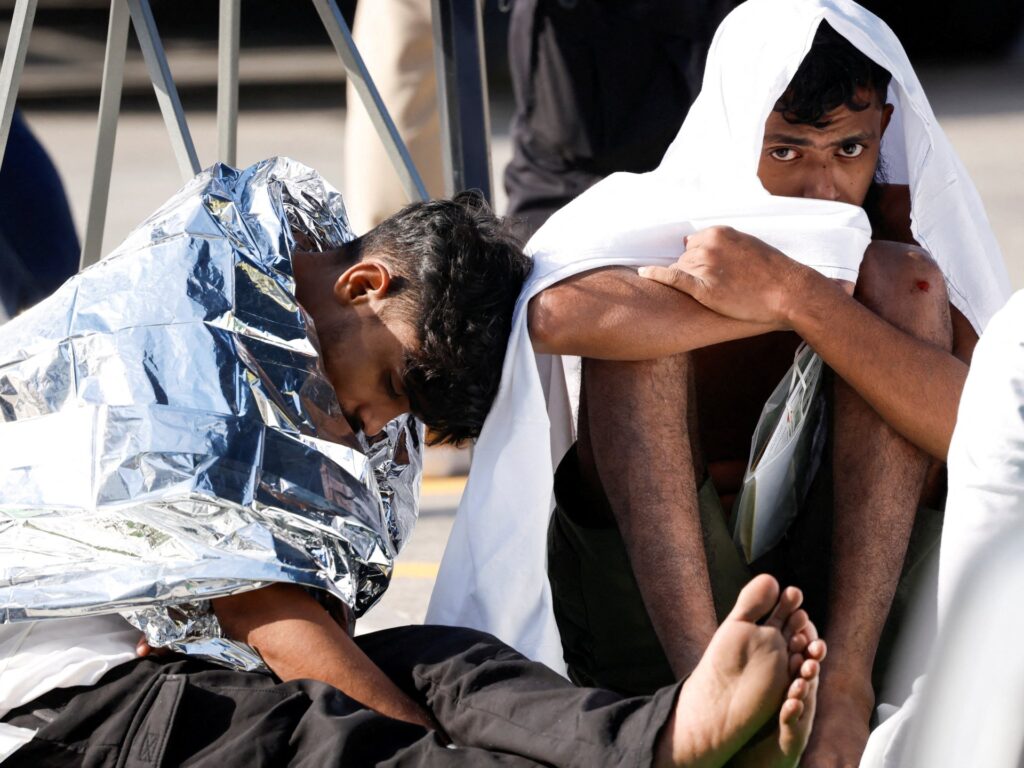
In recent years, Europe has witnessed a significant influx of refugees fleeing conflict, persecution, and economic hardship from various parts of the world. While much of the media attention has focused on the humanitarian crisis and the challenges faced by women and children, male refugees who have made perilous journeys alone are revealing a less-discussed but deeply impactful reality: widespread stigma, suspicion, and social exclusion obstructing their path to safety and integration.
Many male refugees recount experiences that extend beyond the physical dangers endured during their journeys. Upon arrival in host countries, these men often encounter intense suspicion from local communities and authorities. This suspicion frequently leads to discrimination, social isolation, and even homelessness. Such treatment exacerbates the psychological trauma they already carry, hindering their ability to rebuild their lives.
One common theme emerging from these stories is the harmful stereotype that male refugees are potential threats or burdens to society. This perception fuels mistrust and sometimes hostility, making it difficult for men to find employment, secure housing, or access social services. Some have reported being subjected to hate speech, harassment, and exclusion from social networks that are vital for emotional support.
Refugees describe a painful dual reality: while they have managed to survive life-threatening journeys, they must now contend with prejudice and a lack of understanding in their new environments. For many, the feeling of being unwanted or misunderstood is a profound emotional wound. ‘‘This kind of stuff really hurts,’’ one refugee said, encapsulating the deep emotional pain caused by societal rejection.
Homelessness is a stark and visible consequence of this marginalization. Without stable accommodation, male refugees face heightened risks of exploitation, poor health outcomes, and further social marginalization. Advocacy groups urge policymakers to recognize the unique challenges faced by men who arrive without family support and to implement programs that address their specific needs.
Experts argue that stigma against male refugees is rooted in broader societal fears and misconceptions about migration. Addressing these issues requires community education, public dialogue, and inclusive policies that foster empathy and understanding. Such efforts can help transform public attitudes, promote social cohesion, and ensure that all refugees, regardless of gender, are treated with dignity.
In conclusion, the stories of male refugees in Europe shed light on an overlooked dimension of the refugee crisis: the emotional and social hardships that stem from stigma and exclusion. Recognizing and addressing these challenges is crucial for building more inclusive societies that support recovery and integration, ensuring refugees not only survive but thrive in their new homes.