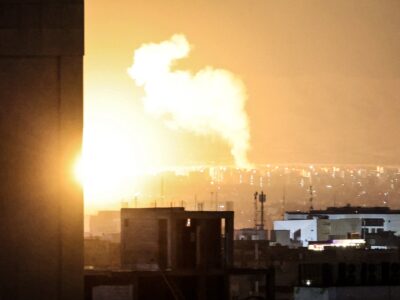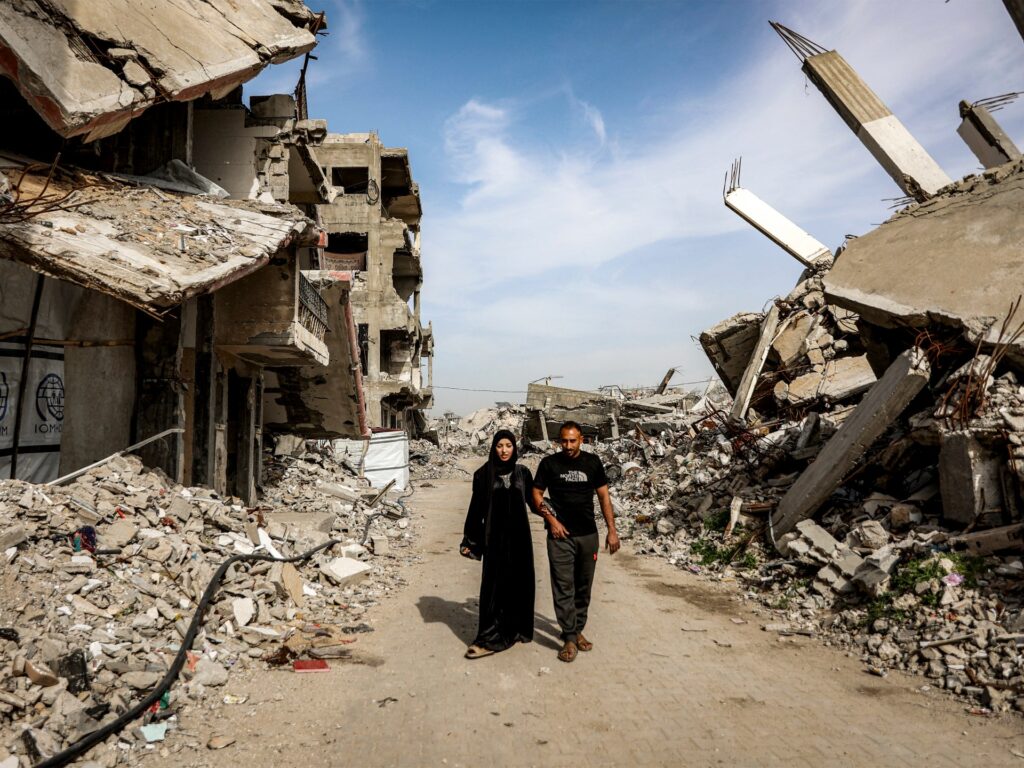
As Israeli military operations continue in the region, a significant number of Palestinians are returning to Gaza through the Rafah crossing. Despite the ongoing violence, many individuals are choosing to make their way back home, seeking refuge in their native land amidst the turmoil.
The Rafah crossing, which serves as a critical gateway between Egypt and the Gaza Strip, has seen a rise in the flow of Palestinian returnees. These individuals describe experiences marked by humiliating searches and rigorous interrogations conducted by the Israeli military during their crossing procedures. Many report being subjected to invasive questioning and personal scrutiny which they find degrading and exhausting.
This influx occurs in the broader context of escalating Israeli attacks in Gaza, which have resulted in widespread destruction and displacement. The return of Palestinians to Gaza signals a strong attachment to their homes and communities, despite the looming threat of ongoing conflict and insecurity.
Human rights organizations have raised concerns about the treatment of Palestinians at the crossing, emphasizing the need for respect, dignity, and adherence to international humanitarian laws. The humiliations and interrogations reported could compound the psychological trauma that civilians are already enduring due to the conflict.
The complex situation at the Rafah crossing highlights the broader humanitarian challenges facing Gaza. Access to safe passage and humanitarian aid remains critically limited, exacerbating the hardships faced by Palestinians living in the region.
As the situation evolves, the international community continues to call for a ceasefire and a humanitarian corridor to facilitate the safe movement of civilians and the delivery of aid.
The resilience demonstrated by Palestinians returning through the Rafah crossing underscores the deep human cost of the conflict and the urgent need for a peaceful resolution. As attacks persist, considerations for the safety and dignity of civilians remain paramount.
This situation remains dynamic, with updates expected as conditions on the ground change and more information becomes available. The return to Gaza is a poignant reminder of the enduring impact of conflict on human lives and the critical importance of addressing the humanitarian crisis in the region.