In the western region of Ukraine, Zakarpattia, a longstanding dispute concerning the rights of the Hungarian minority has resurfaced amid the backdrop of wartime tensions, significantly impacting regional geopolitics. Zakarpattia Oblast, bordering Hungary, Slovakia, and Romania, is home to a sizable Hungarian minority community, which accounts for roughly 12% of the region’s population.
Historically, the relationship between Ukraine and Hungary has been complex, influenced heavily by cultural and linguistic rights issues concerning the Hungarian minority. The situation has become increasingly fraught since the outbreak of the conflict in eastern Ukraine.
The Hungarian government has voiced strong criticism of Ukrainian policies that affect the use of the Hungarian language in education and public life. In particular, recent Ukrainian legislation intended to strengthen national identity and unity during wartime has been perceived in Hungary as an infringement on minority rights.
This perception has heightened diplomatic tensions between the two countries. Budapest has adopted a resolute stance in defending the rights of its ethnic kin in Ukraine, leading to periodic diplomatic spats and complicating Ukraine’s efforts to consolidate national cohesion in a critical time.
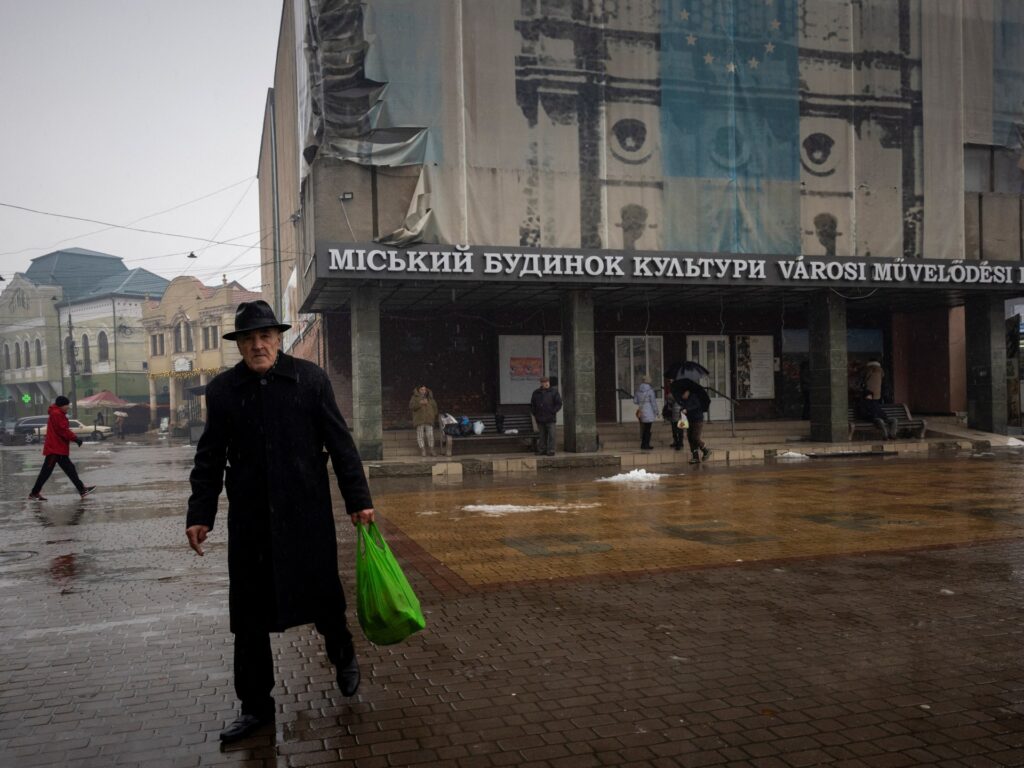
On the ground in Zakarpattia, these diplomatic conflicts translate into uncertainty and anxiety within the Hungarian communities. Schools teaching in Hungarian face additional scrutiny, and local cultural events are sometimes viewed through the lens of national security concerns. Despite this, everyday life continues—markets bustle, children attend school, and traditions are maintained.
The Ukrainian government seeks to balance national security imperatives with minority rights, but the wartime context has intensified scrutiny on all facets of society. Kyiv insists that its policies are necessary for safeguarding sovereignty and preventing external influence during the ongoing conflict.
Meanwhile, Hungary’s support for its ethnic minority in Ukraine is part of a broader strategy to assert its influence in Central Europe. Budapest’s approach is deeply intertwined with its domestic politics and its vision for protecting Hungarian communities beyond its borders.
International observers have called for dialogue and carefully negotiated solutions that respect minority rights without compromising Ukraine’s sovereignty and security needs. The tension between Ukraine and Hungary in Zakarpattia underscores the challenges that minority rights pose in wartime contexts where national identity and geopolitical considerations are highly sensitive.
The evolving situation in Zakarpattia remains a focal point where ordinary life persists amid the complex interplay of historical grievances, ethnic identity, and the harsh realities of war. How Ukraine navigates these issues will not only affect its internal cohesion but also its relationships with neighboring countries and its path toward European integration.