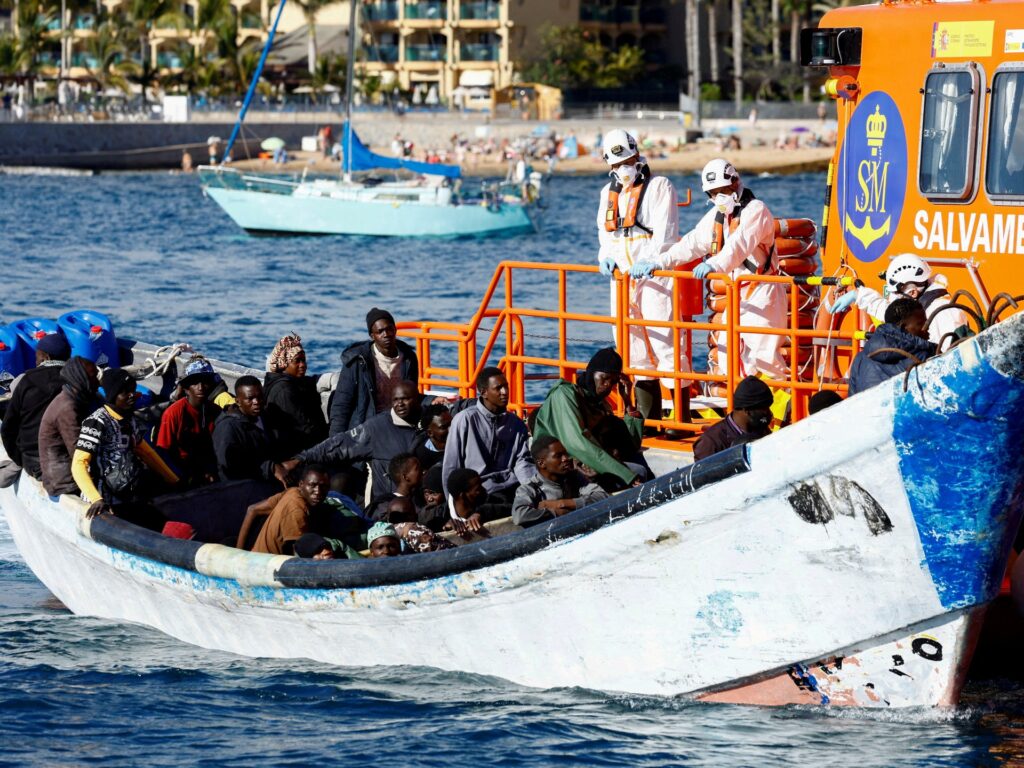
The European Union has approved a new regulation permitting member states to deport asylum seekers to so-called ‘safe’ third countries. This significant policy shift could transform how the EU manages migration and asylum procedures, sparking debates about migrants’ rights and the legal definitions of safety.
Under the new rule, EU nations can transfer asylum seekers to countries outside the union, provided these third countries are considered safe. Importantly, the migrants could be sent to nations that have no prior connection to them. This means asylum applications might be processed or migrants detained in countries where they have neither family nor community ties.
The proposal aims to ease pressure on EU countries facing high numbers of migrants and asylum seekers by distributing responsibilities more broadly and allowing for quicker processing. Proponents argue that this system will deter dangerous journeys to Europe, reduce overcrowding in reception centers, and promote cooperation with non-EU nations.
Critics, however, warn that the definition of ‘safe’ countries could be manipulated to justify deportations to places where migrants might still face risks. Human rights organizations fear this might circumvent international protections and undermine asylum seekers’ rights to fair evaluations of their claims.
The rule further raises concerns about the potential for increased detention of migrants in third countries, where oversight may be limited. The EU’s commitment to upholding human rights standards could be tested as member states implement this new approach.
EU officials have stated that the third countries must meet strict criteria to be designated as ‘safe,’ including respect for human rights and compliance with international refugee law. Additionally, there are calls for monitoring mechanisms to ensure deported migrants are treated fairly.
This policy change comes amid ongoing debates within the EU on how best to manage migration flows, balance humanitarian responsibilities, and maintain border security. While some member states welcome the flexibility this rule provides, others express concerns about solidarity and the moral implications of outsourcing asylum responsibilities.
The new regulation will require cooperation agreements with third countries, which may involve political and financial negotiations. This development highlights the EU’s evolving strategy to address migration challenges through externalization and burden-sharing.
As the rule comes into effect, close scrutiny by legal experts, human rights advocates, and international agencies is expected to monitor its implementation and impact on vulnerable migrant populations.
In summary, the EU’s recent vote marks a pivotal moment in migration policy, introducing a mechanism to deport asylum seekers to countries deemed ‘safe’ third parties, even without prior ties. This initiative aims to streamline migrant management but raises complex questions about human rights, international law, and the future of asylum in Europe.