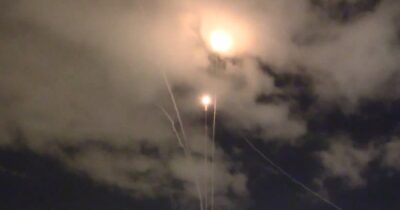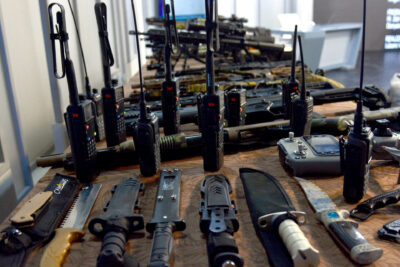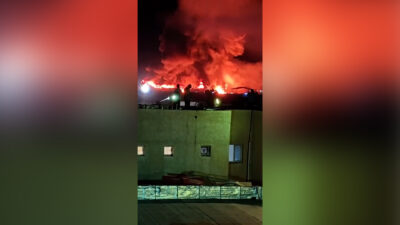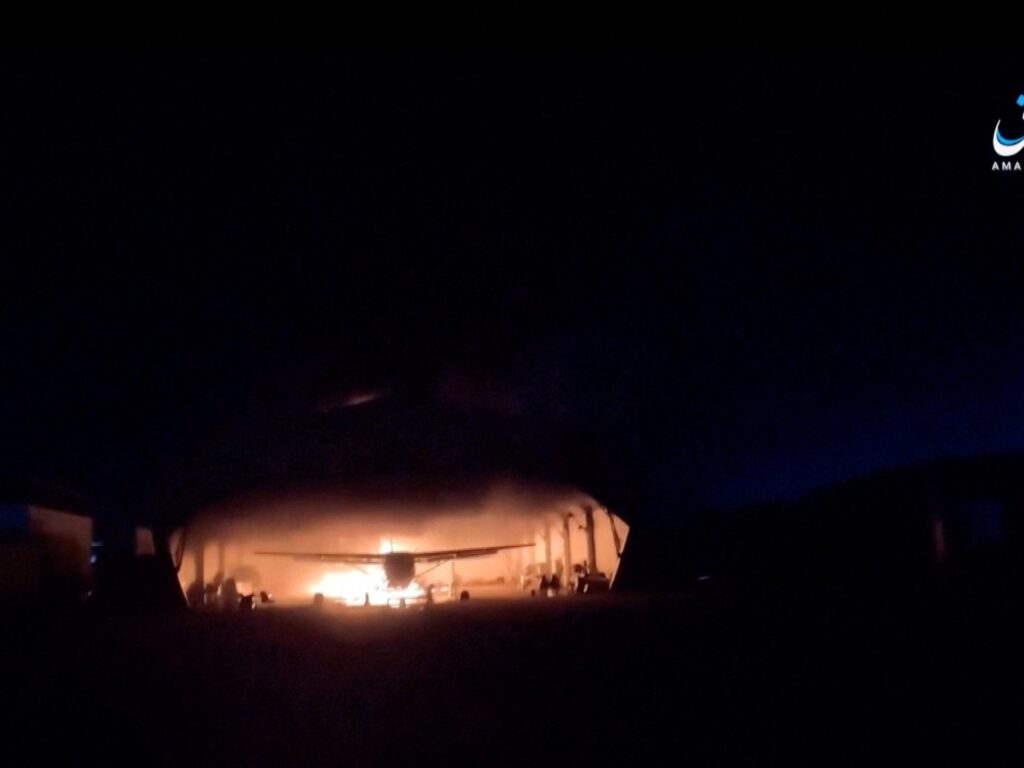
In the vast and volatile Sahel region of Africa, the fight against armed groups has become increasingly complex due to the adoption of advanced technologies such as drones and artificial intelligence (AI) by militant organizations. Experts highlight that armed groups linked to ISIL and al-Qaeda are leveraging these technologies to enhance their operational capabilities, making it tougher for government and international forces to maintain security and stability in this troubled region.
Drones have become a pivotal tool for these groups, enabling them to conduct surveillance and gather intelligence on military positions with unprecedented precision. This aerial reconnaissance allows militants to plan attacks more effectively, avoid detection, and respond swiftly to movements of opposing forces. The use of drones also provides a strategic advantage in remote and difficult terrains where traditional intelligence gathering is challenging.
Beyond surveillance, drones have been employed offensively by these groups. Reports indicate that militias are attaching improvised explosive devices (IEDs) to drones, transforming them into aerial bombs capable of targeting troop concentrations, checkpoints, and convoys. This tactic marks a worrying evolution in asymmetric warfare, where the risk to civilian populations and military personnel alike escalates.
Artificial intelligence further amplifies the threat posed by these armed groups. AI-driven analysis allows for faster processing of data collected via drones and other means, improving situational awareness and decision-making speed. It aids in identifying critical vulnerabilities in enemy defenses and optimizing attack strategies.
The integration of drones and AI challenges traditional military doctrines and requires adaptation in tactics, training, and technology. Forces operating in the Sahel must counter the technological edge enjoyed by insurgents through enhanced air defense measures, anti-drone technologies, and improved electronic warfare capabilities.
Moreover, these technological advancements by non-state actors have significant implications for regional security. They complicate peacekeeping and counterterrorism operations led by local armies and international coalitions such as the G5 Sahel Joint Force and United Nations missions.
The proliferation of drone technology, often inexpensive and commercially available, means that militant groups can access it relatively easily despite sanctions and supply restrictions. This accessibility increases the likelihood of continued use and innovation in drone warfare tactics by armed groups.
Experts warn that failing to address the technological dimension in the Sahel conflict risks ceding tactical advantages to militant groups, prolonging instability and undermining efforts to bring lasting peace to the region.
In conclusion, the use of drones and AI by ISIL and al-Qaeda-linked groups represents a significant challenge to military and security forces in the Sahel. Addressing this emerging threat requires an integrated approach combining technological innovation, intelligence sharing, and international cooperation to effectively counter the evolving tactics of armed groups in the region.