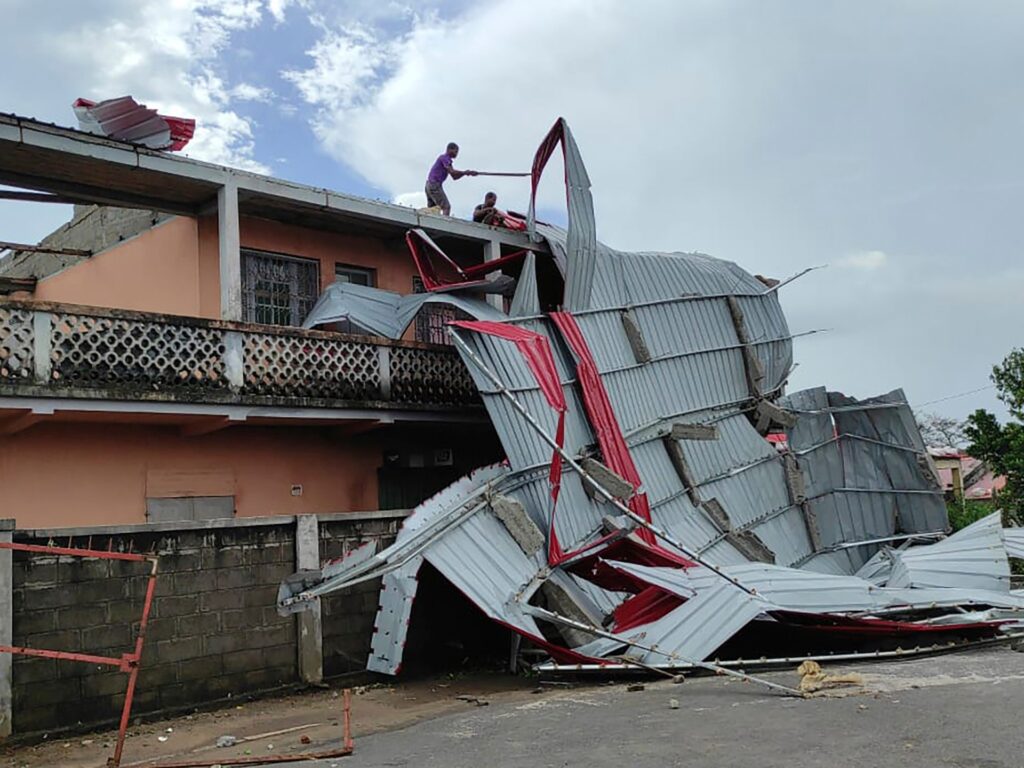
Cyclone Gezani has recently made landfall in Madagascar, unleashing monstrous winds and causing severe damage across the region. This devastating storm comes just 11 days after Cyclone Fytia wreaked havoc, adding to the growing challenges faced by the island nation.
Cyclone Gezani’s impact has been alarming, with early reports indicating significant destruction to homes, infrastructure, and agriculture. Residents in affected areas are grappling with the immediate aftermath, including power outages, flooding, and disrupted communication networks.
The timing of Cyclone Gezani could not be more dire, as it follows closely on the heels of Cyclone Fytia. The latter resulted in the tragic loss of 12 lives and displaced approximately 31,000 people in northwestern Madagascar. The compound effect of two powerful cyclones striking in such a short span has dramatically heightened the vulnerability of communities and strained emergency response resources.
Local authorities and international aid agencies are mobilizing to provide relief and support. Emergency shelters have been set up for those displaced, and efforts are underway to restore essential services and provide medical aid to the injured.
Experts warn that the intensity and frequency of such tropical storms may be linked to broader climate change trends, emphasizing the need for robust disaster preparedness and resilient infrastructure.
Madagascar’s government has appealed for international assistance to bolster recovery efforts and help safeguard livelihoods threatened by these natural disasters.
As the nation faces the daunting task of rebuilding, the stories of resilience and solidarity among Malagasy communities have emerged as a beacon of hope amidst the destruction. Relief operations continue, with a focus on ensuring that vulnerable populations receive timely help.
The impact of Cyclone Gezani serves as a stark reminder of the urgency in addressing climate resilience and disaster management strategies to protect the lives and futures of those in cyclone-prone regions like Madagascar.