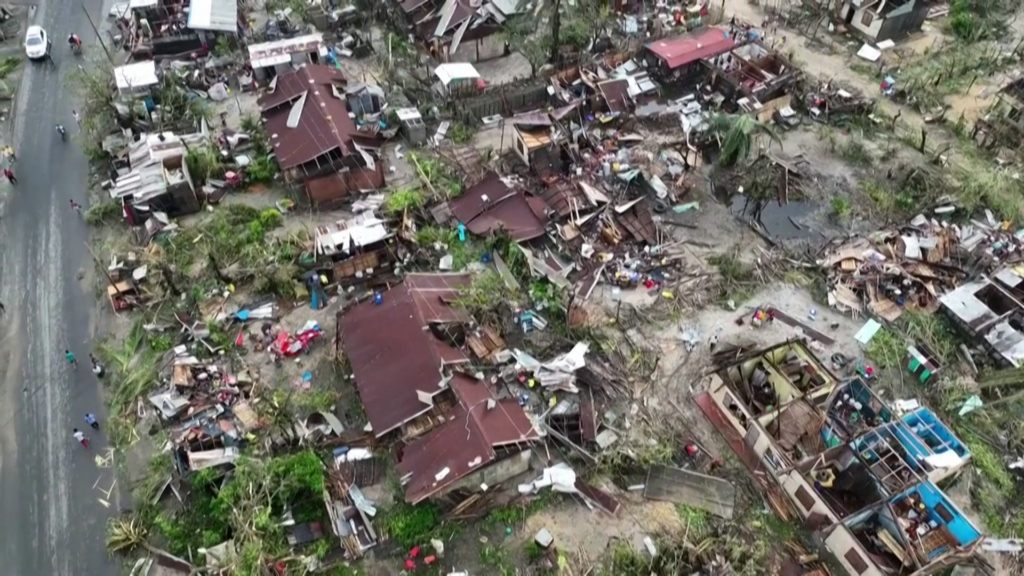
Cyclone Gezani struck Madagascar with devastating force, leaving at least 20 people dead according to local officials. The natural disaster caused widespread damage across the island nation, with numerous buildings collapsing under the intense weather conditions. Many of the confirmed fatalities have been attributed to these structural failures amid the cyclone’s fury.
Madagascar, an island nation often vulnerable to tropical storms, experienced heavy rains and strong winds as Cyclone Gezani made landfall. Emergency response teams were immediately deployed to affected areas to aid those trapped under debris and to provide medical assistance.
Authorities have issued warnings about the potential for further damage as the storm moves through the region. The government is urging residents in vulnerable areas to seek shelter and adhere to safety protocols to minimize the risk of injury.
The cyclone has also caused flooding in several parts of Madagascar, complicating rescue efforts and exacerbating the humanitarian situation. Roads have been washed out, making it difficult for aid to reach some of the hardest-hit communities.
In addition to the loss of life, the cyclone has damaged infrastructure, homes, and crops, threatening the livelihoods of thousands of people. Aid organizations are mobilizing to provide food, water, and shelter to those displaced by the disaster.
Climate experts have noted that Madagascar is increasingly susceptible to such extreme weather events due to changing climate patterns. They emphasize the need for improved infrastructure and disaster preparedness to mitigate the impacts of future cyclones.
Local officials continue to assess the full extent of the damage as recovery efforts begin. They have appealed for international support to aid in the rebuilding process and to help prevent further loss of life as Madagascar confronts the aftermath of Cyclone Gezani.