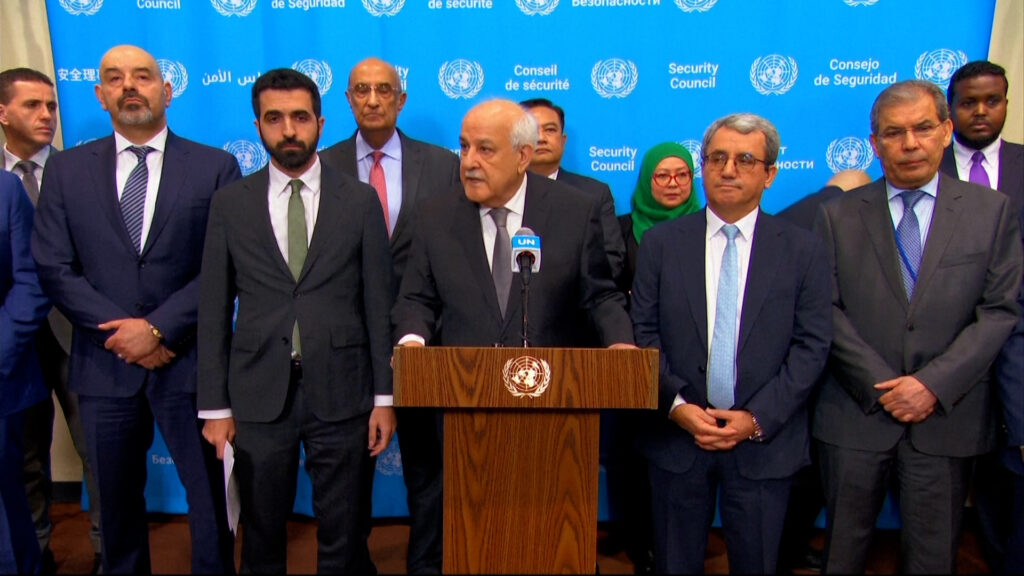
In a recent session at the United Nations, Arab and Muslim nations collectively condemned Israel’s proposed annexation plan. This move, viewed by these countries as a violation of international law and an impediment to peace, has sparked widespread diplomatic tensions. The annexation plan involves Israel’s intent to extend its sovereignty over parts of the West Bank, a territory that Palestinians and much of the international community see as occupied land.
Representatives from various Arab and Muslim countries voiced their strong opposition to the plan during the UN debate, emphasizing that annexation would undermine decades of peace efforts and the two-state solution. They argued that such unilateral actions by Israel could escalate conflict in the region and further destabilize the already fragile situation.
The Arab League, a regional organization of Arab states, reiterated its unequivocal rejection of any attempts to annex Palestinian lands and called on the international community to take decisive measures to prevent the implementation of the plan. Similarly, the Organization of Islamic Cooperation (OIC) condemned the annexation as a threat to the rights and sovereignty of the Palestinian people.
Several UN members also expressed concern, urging Israel to halt any plans that could jeopardize peace negotiations. They highlighted that annexation could violate United Nations resolutions, including Security Council resolutions that affirm the inadmissibility of acquiring territory by force.
The Israeli government, however, maintains that its actions are legitimate and necessary for security and historical reasons. Israeli officials argue that certain areas in the West Bank are part of Israel’s biblical and historical heritage and essential for its national security.
The proposed annexation plan has ignited protests and condemnation across the globe, with many viewing it as a step away from a peaceful resolution to the Israeli-Palestinian conflict. Human rights organizations have also expressed alarm, warning that annexation could lead to increased discrimination and human rights violations against Palestinians.
In response to the criticisms, Israel asserts it is open to negotiation but insists that any peace agreement must acknowledge its rights and security concerns. The international community, meanwhile, calls for renewed dialogue and adherence to international law to ensure a fair and lasting peace.
This development at the UN marks another significant chapter in the ongoing conflict, highlighting the deep divisions and complex issues surrounding the future of the West Bank and the broader Middle East peace process. The condemnations from Arab and Muslim nations at the UN underscore the widespread opposition to annexation and the urgent need for diplomatic efforts to prevent further escalation.