The United States Maritime Administration has recently issued a new advisory urging American ships to remain “as far as possible” from Iranian waters. This directive comes in the wake of the first round of indirect talks held between Washington and Tehran, aimed at addressing escalating tensions in the region.
The advisory reflects growing concerns over maritime security and regional stability, particularly in the strategically significant waters bordering Iran. American naval and commercial vessels operating in these areas have been specifically advised to exercise heightened caution and maintain a safe distance to avoid potential confrontations or misunderstandings.
This move aligns with ongoing diplomatic efforts to reduce hostilities and encourage dialogue between the United States and Iran. The recent indirect talks are viewed as a positive step towards resolving some of the contentious issues, although both sides remain cautious amid a history of mistrust and geopolitical complexities.
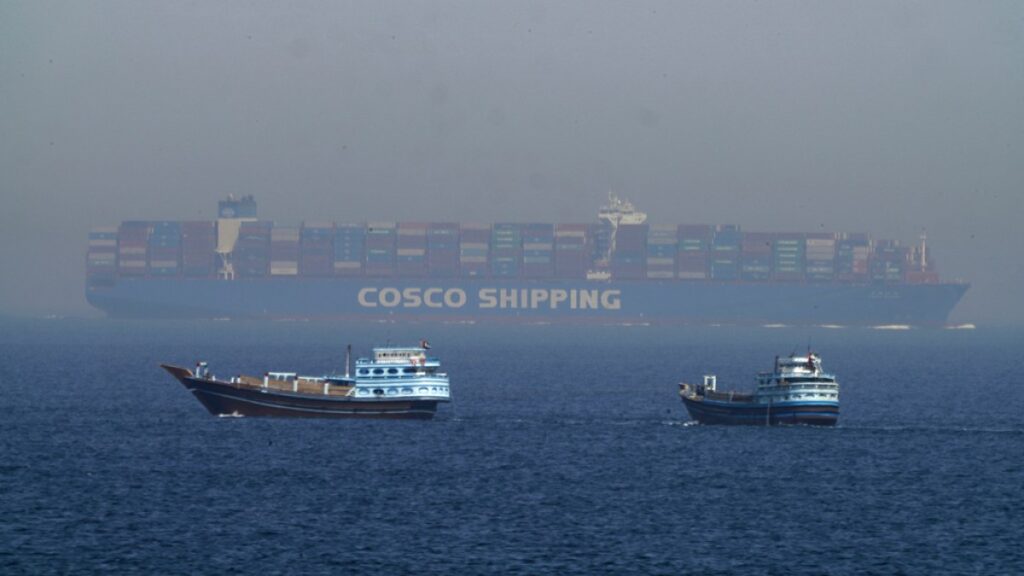
Experts note that the maritime advisory underscores the volatility of the Persian Gulf and surrounding waterways, which are crucial for global energy shipments and trade routes. The region has witnessed numerous incidents involving military and commercial vessels, raising the stakes for international maritime security.
The US government is also signaling its intent to protect American interests and citizens by minimizing risks in these sensitive areas. While diplomatic channels continue to open up, operational prudence remains a priority to avert any accidental escalation.
International maritime operators are closely monitoring the situation, with many adjusting their navigation plans to comply with the advisory and ensure crew safety. This development highlights the intersection of diplomacy, security, and commerce in the broader context of US-Iran relations.
The Maritime Administration’s guidance is part of a broader strategy to balance assertive diplomacy with practical measures on the ground (and at sea). It recognizes the unpredictable nature of interactions in Iranian proximate waters and the need for American vessels to proactively reduce exposure to potential threats.
In conclusion, the US urging for American ships to keep a significant distance from Iranian waters marks a cautious but calculated approach during a sensitive phase of US-Iran engagement. As indirect talks continue, maritime issues remain a critical and sensitive dimension of the bilateral relationship.
Stakeholders will be watching closely for further developments, hoping that diplomatic progress will eventually lead to reduced tensions and safer maritime conditions in this strategically vital region.