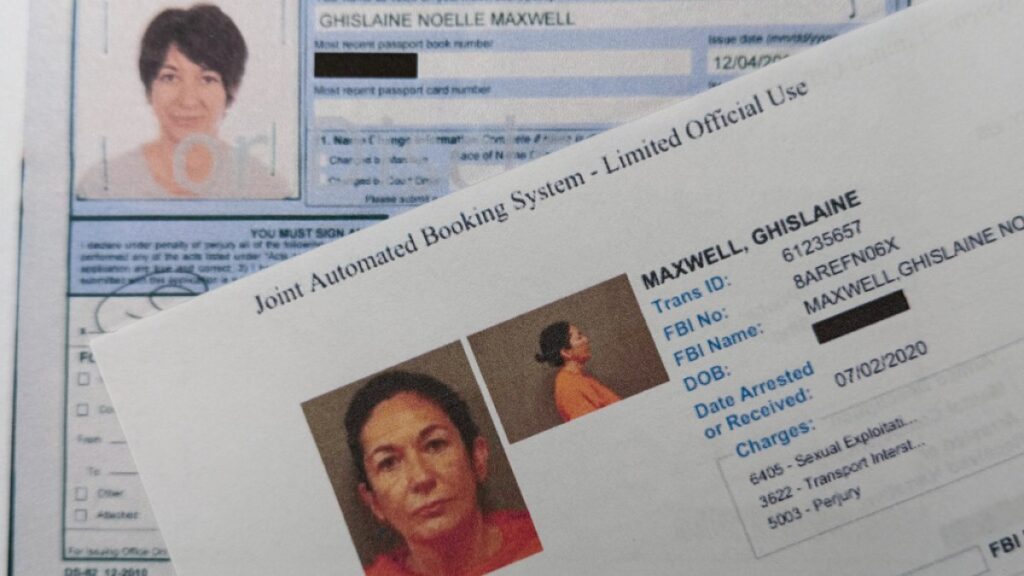
The ongoing saga of Jeffrey Epstein’s sex trafficking case has once again taken a dramatic turn as Ghislaine Maxwell, a key figure in the investigation, has invoked her Fifth Amendment right, declining to answer questions from the US Congress. This development has intensified tensions surrounding the case, which continues to captivate public and political attention.
Jeffrey Epstein, a disgraced financier and convicted sex offender, was accused of running a vast network that exploited underage girls. His close associate, Ghislaine Maxwell, has been at the center of legal proceedings, facing charges related to her alleged role as a co-conspirator in Epstein’s crimes. Despite her arrest and indictment, many details about the full extent of the network and other potential collaborators remain unclear.
Congressional committees have been actively investigating the Epstein case, seeking to uncover the truth behind the allegations and the possible involvement of high-profile individuals. Lawmakers have expressed frustration as representatives strive to obtain comprehensive information about co-conspirators who may have facilitated or participated in Epstein’s activities.
Maxwell’s choice to invoke the Fifth Amendment — which protects individuals from self-incrimination — means she refused to provide testimony that could potentially implicate herself or others. This move has been seen by some as a way to avoid revealing critical information that might lead to the exposure of additional figures connected to Epstein’s operations.
The decision has sparked debate among legal experts and politicians. Some argue that Maxwell’s silence hinders efforts to fully understand the scope of Epstein’s network, while others note her constitutional rights must be respected regardless of the public’s desire for disclosure.
As pressure mounts, Congress continues to explore alternative avenues to gather intelligence related to the case. This includes subpoenaing records, interviewing other witnesses, and collaborating with federal prosecutors. The goal remains to ensure justice for Epstein’s victims and prevent similar abuses in the future.
Public interest in the case is further amplified by Maxwell’s high-profile social connections and the questions surrounding how Epstein managed to evade justice for so long. The scandal has prompted renewed examination of the systems that allowed such crimes to occur without timely intervention.
Several advocacy groups have voiced their support for the victims, urging lawmakers to persist in their investigative efforts. They emphasize the importance of accountability and hope that Maxwell’s silence does not impede the pursuit of justice.
In the wake of Maxwell’s refusal to testify, Congress is expected to intensify scrutiny of all associated parties. There is widespread anticipation that new evidence and testimonies may emerge, potentially leading to further indictments or legal actions.
Ultimately, the Epstein case remains a complex and evolving story. Maxwell’s invocation of the Fifth Amendment underscores the challenges investigators face in unraveling the full narrative. Nevertheless, the commitment to uncovering truth and providing closure to those harmed persists.
The US Congress’s determination and Maxwell’s legal strategy are now pivotal elements shaping the next chapters of the Epstein investigation. How these factors interact will significantly influence public understanding and the legacy of this high-profile case.