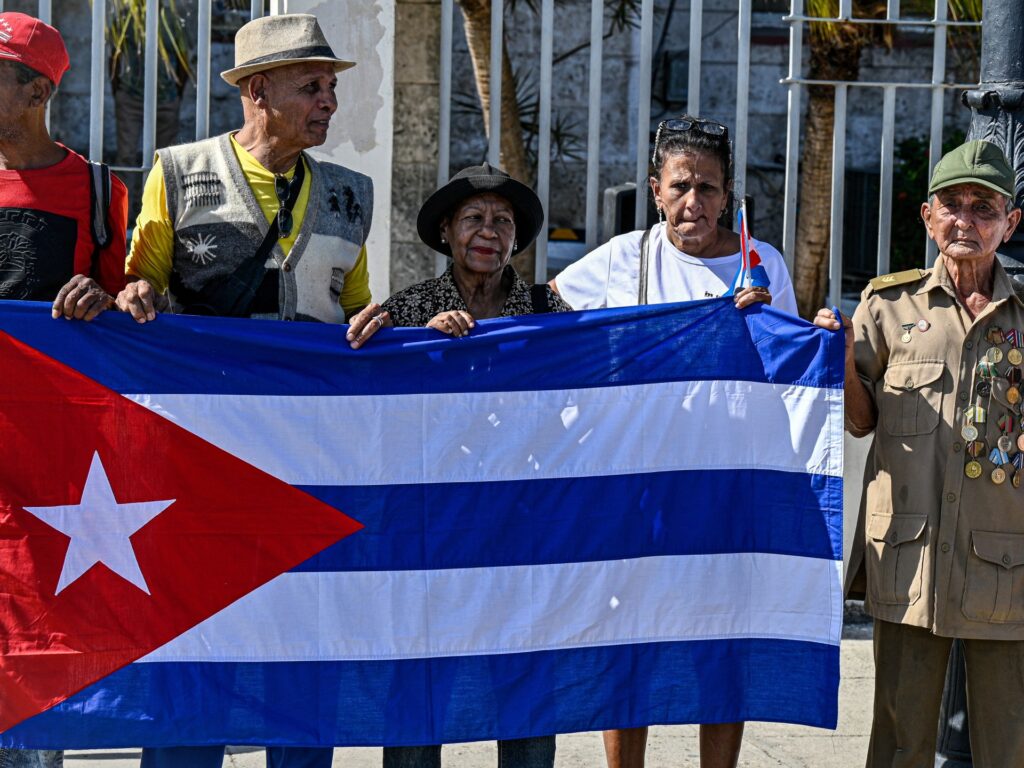
The geopolitical tension surrounding Cuba has escalated, with Russia issuing a stark warning about the critical fuel situation in the country. Moscow’s alert underscores the severity of Cuba’s energy predicament amid intensifying external pressures. Concurrently, Havana has fiercely condemned what it describes as a ‘cruel’ tactic by the United States, alleging that the US is deliberately trying to undermine the political will of the Cuban people.
Russia’s announcement comes at a time when Cuba is grappling with significant fuel shortages that threaten the stability of its economy and infrastructure. The fuel crisis, if unresolved, could cripple essential services and exacerbate the hardships faced by everyday Cubans. Russian officials emphasized the need for international cooperation to address these urgent challenges and alleviate the energy bottleneck.
In response, Cuban Foreign Minister has openly accused the United States of employing strategies aimed at weakening Cuba’s sovereignty and resilience. The minister argued that Washington’s actions are part of a broader campaign designed to ‘break the political will’ of Cubans. This statement reflects the longstanding adversarial relationship between the two countries, intensified by decades of embargoes and diplomatic strain.
Despite the heightened rhetoric, signs of potential diplomatic engagement have emerged. The Cuban Foreign Minister hinted at the possibility of dialogue with Washington, suggesting that diplomacy could pave the way for easing tensions. This development is significant, as it might signal a gradual shift towards negotiation rather than confrontation.
The fuel shortages in Cuba have multiple causes, including logistical challenges, economic sanctions, and fluctuations in global energy markets. Russia’s concern highlights the interconnectedness of global politics and energy security, especially for nations like Cuba heavily reliant on foreign support.
Havana’s accusation against the US brings to the forefront the complex dynamics of international relations in the region. It showcases how energy issues can transcend mere supply problems and become entangled with issues of sovereignty, political autonomy, and strategic maneuvering.
The Cuban population continues to endure the brunt of the crisis, facing power outages, transportation hurdles, and economic disruptions. The coming weeks will be critical in determining whether international collaboration or political stalemate will define Cuba’s path forward.
Experts suggest that resolving the fuel crisis requires multilateral efforts, involving not only Russia and Cuba but also other global stakeholders who can influence economic and diplomatic outcomes. The situation also raises questions about the efficacy of sanctions as a foreign policy tool and their humanitarian impact on nations under pressure.
In summary, Russia’s warning about Cuba’s critical fuel condition, alongside Havana’s sharp criticism of US tactics, encapsulates a complex and evolving scenario. It reflects broader themes of international power struggles, the resilience of national identities, and the urgent need for cooperative solutions in times of crisis.