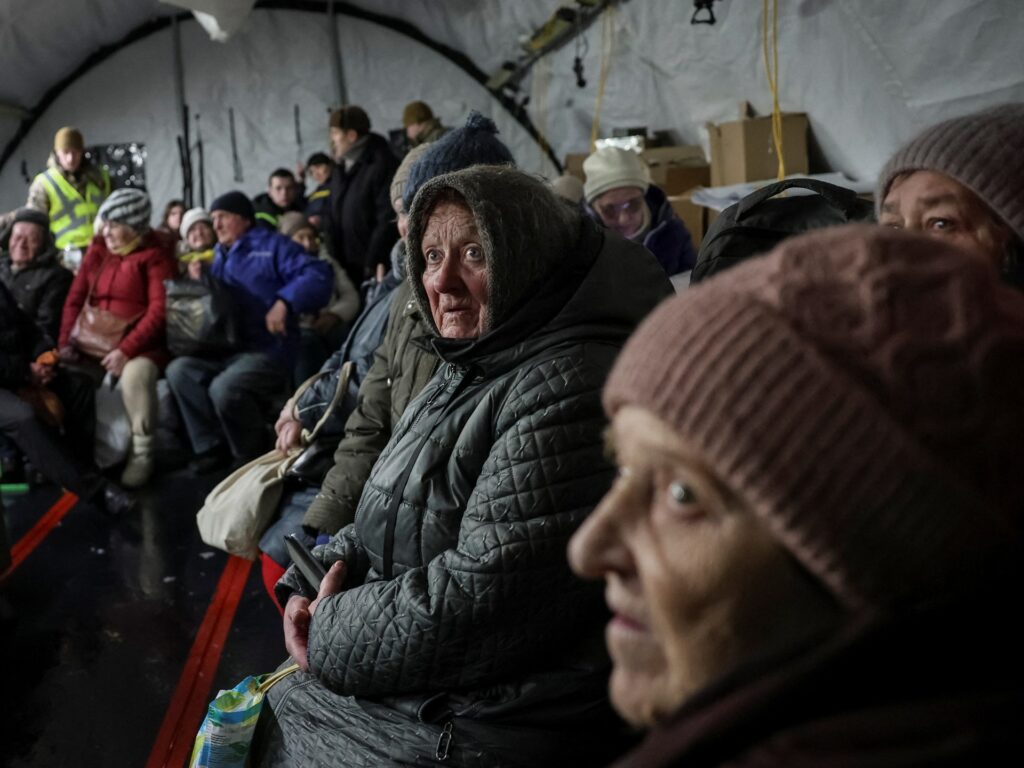
As winter deepens in Ukraine, a distressing humanitarian crisis is unfolding as at least 10 people have succumbed to hypothermia, driven by Russia’s ongoing attacks on Ukraine’s energy infrastructure. These assaults have severely disrupted heating supplies for thousands of residents amid plummeting temperatures.
The Russian military campaign has targeted key elements of Ukraine’s energy system, including power plants, electrical grids, and heating facilities, impairing the country’s ability to provide consistent heating during the cold season. This strategy has compounded the hardship faced by civilians, many of whom are now without reliable heat, electricity, and water.
In residential areas across Ukraine, families are enduring bitterly cold conditions without the means to adequately heat their homes. Emergency services and medical teams have reported a marked increase in cases related to cold exposure, such as hypothermia and frostbite. At least ten fatalities have been directly linked to these conditions, though the true toll may be higher as the situation remains fluid.
Local authorities are working tirelessly to mitigate the crisis by distributing portable heaters, blankets, and other essential supplies, but the scale of energy infrastructure damage poses significant challenges to relief efforts. International humanitarian organizations are also mobilizing support, providing aid, and calling for immediate cessation of attacks on civilian infrastructure.
Experts warn that ongoing attacks on energy facilities not only threaten lives during winter but will have prolonged effects on Ukraine’s public health, economy, and social stability. The destruction of critical infrastructure disrupts hospitals, schools, and businesses, compounding the daily struggles faced by the population.
The Ukrainian government has appealed to the global community for increased assistance to repair and secure energy systems while ensuring humanitarian support reaches those most in need. Meanwhile, citizens continue to adapt to harsh conditions, demonstrating resilience amid adversity.
This disturbing development highlights the severe consequences of targeting civilian infrastructure in conflict zones, raising urgent questions about adherence to international humanitarian laws. As the conflict persists, protecting vulnerable populations from preventable tragedies like hypothermia remains a critical concern.