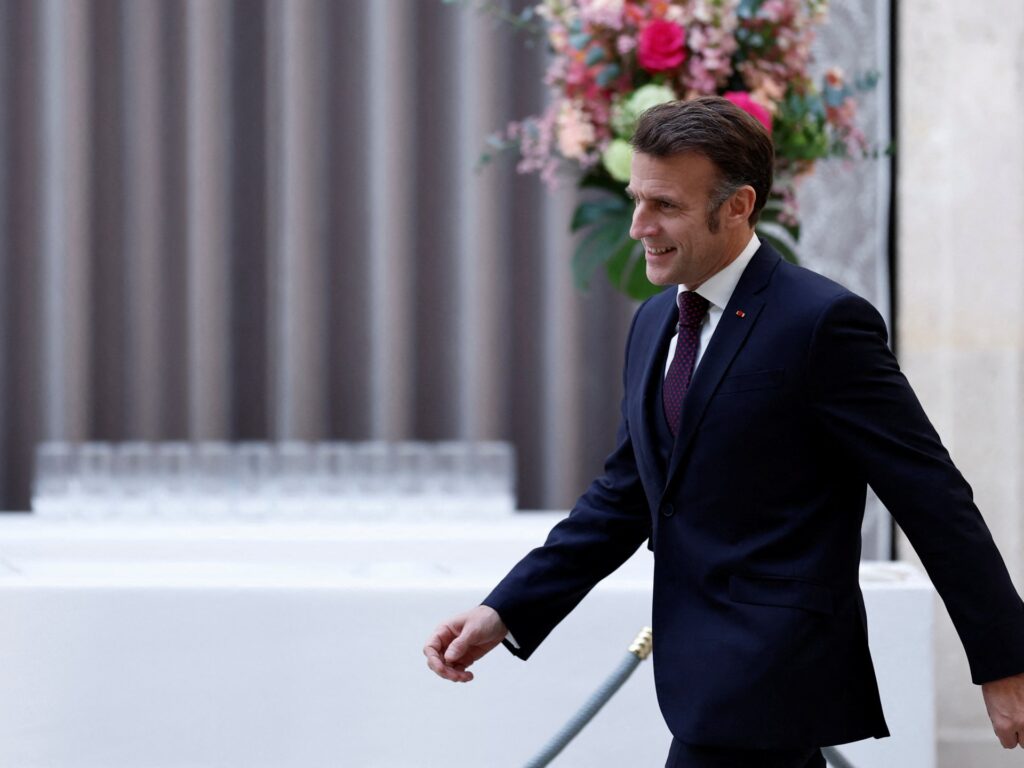
French President Emmanuel Macron has issued a stern warning regarding the persistent trade tensions between the United States and the European Union, highlighting that the era of US trade ‘threats and intimidation’ towards the EU is far from over. Macron’s remarks come amid ongoing disputes and diplomatic challenges that have strained transatlantic economic relations.
In a recent statement, President Macron urged the European Union to draw important lessons from what he termed the ‘Greenland moment.’ This phrase refers to the abrupt cancellation of the Denmark-Greenland submarine deal by the US, which symbolized the unexpected and sometimes harsh realities of US trade policy. Macron used this example to emphasize the vulnerability of the EU in the face of external power plays and the necessity of bolstering its economic and strategic autonomy.
Macron’s call to action stresses that the bloc must undertake urgent reforms to strengthen its internal cohesion and competitiveness on the global stage. He highlighted that without such measures, the EU risks remaining susceptible to coercive tactics and market disruptions imposed by larger powers, particularly the United States.
The French president’s appeal comes at a time when the EU is grappling with various challenges, including trade disputes over tariffs and regulatory standards, and concerns about reliance on external suppliers for critical technologies and resources. Macron advocates for a more assertive and united EU stance in trade negotiations to protect its interests and ensure fair treatment in the international arena.
Macron also pointed out the need for the EU to invest in innovation, digital infrastructure, and sustainable industries to reduce its dependency on external actors and enhance its economic resilience. He suggested that a more integrated and forward-looking economic strategy is vital for the EU to maintain its influence and safeguard its citizens’ prosperity.
This warning from President Macron underscores the evolving geopolitical landscape where economic power and trade relations remain critical tools of influence. It signals a pivotal moment for the EU to reassess its policies and strengthen its capacity to navigate and counterbalance global pressures.
In summary, Macron’s message is clear: the European Union must learn from past setbacks, such as the ‘Greenland moment,’ and act decisively to reform and unify against ongoing US trade pressures. The goal is to ensure the EU’s long-term strategic independence, economic stability, and global competitiveness in a rapidly changing world.