The humanitarian crisis in South Sudan has worsened significantly as violence continues to surge across the country. Recent reports reveal that ongoing conflicts have severely disrupted humanitarian operations, which are crucial for providing aid and relief to the affected populations.
Attacks on aid workers and convoys have become alarmingly frequent, resulting in casualties and forcing many organizations to scale back or suspend their activities. Looting of aid supplies has further exacerbated the situation, depriving vulnerable communities of essential resources like food, medicine, and shelter materials.
Restrictions on movement imposed by various armed groups and volatile security conditions have made it increasingly challenging for humanitarian agencies to reach those in desperate need. Many remote and conflict-affected areas remain inaccessible, leaving thousands of people isolated without access to vital assistance.
The conflicts stem from unresolved political disputes and ethnic tensions that have plagued South Sudan since it gained independence in 2011. Despite multiple peace agreements and ceasefire attempts, the situation remains fragile, with sporadic violence flaring up regularly.
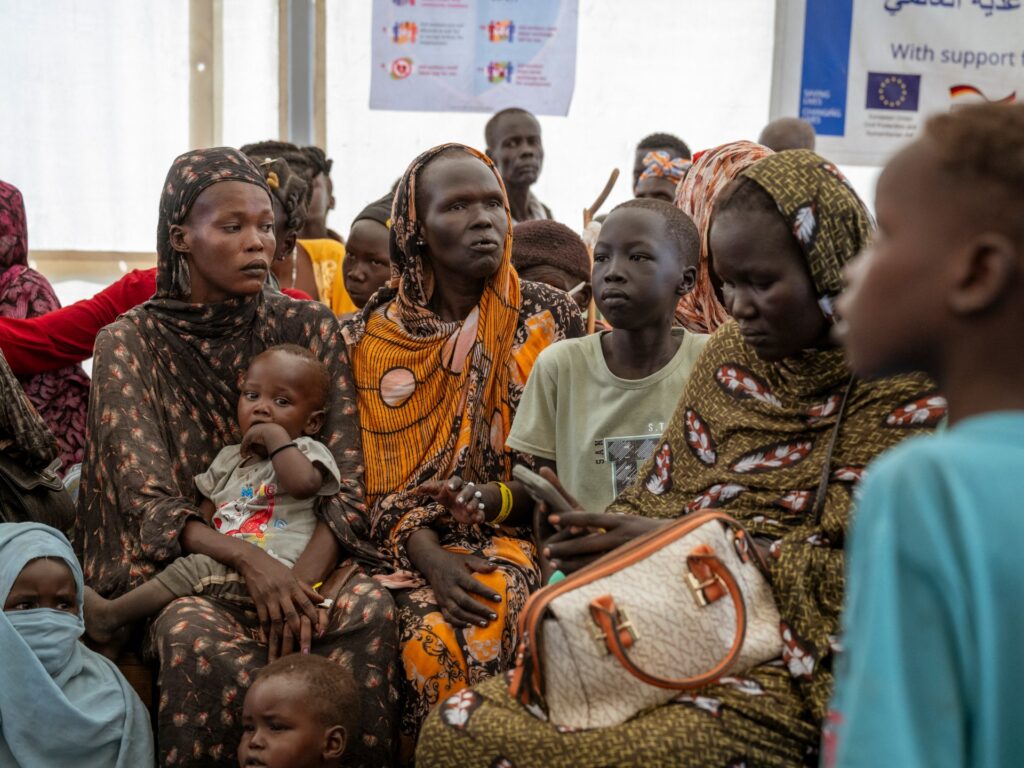
The deepening crisis has led to widespread displacement, with millions internally displaced and many more seeking refuge in neighboring countries. The host communities and neighboring states are under immense pressure to provide shelter and resources to the influx of refugees.
Economic instability combined with natural disasters such as flooding and drought has further compounded the humanitarian challenges. Food insecurity is rampant, with millions facing acute hunger amid dwindling agricultural production and disrupted supply chains.
International humanitarian organizations have called for immediate and unhindered access to affected areas to deliver lifesaving assistance. They have also urged all parties involved in the conflict to respect international humanitarian law and protect civilians and aid workers.
Experts warn that without urgent intervention and renewed commitment to peacebuilding, the situation may deteriorate further, leading to catastrophic consequences for the population of South Sudan.
Efforts to negotiate lasting peace continue at various diplomatic levels, but the road ahead remains fraught with challenges. The international community must intensify support to address both the immediate needs and the root causes of the crisis.
As the violence surges, the people of South Sudan face an uncertain future, caught in the crossfire of conflict and deprived of the basic necessities for survival. Humanitarian actors remain committed to alleviating suffering, but their success depends heavily on improved security and cooperation from all stakeholders involved.