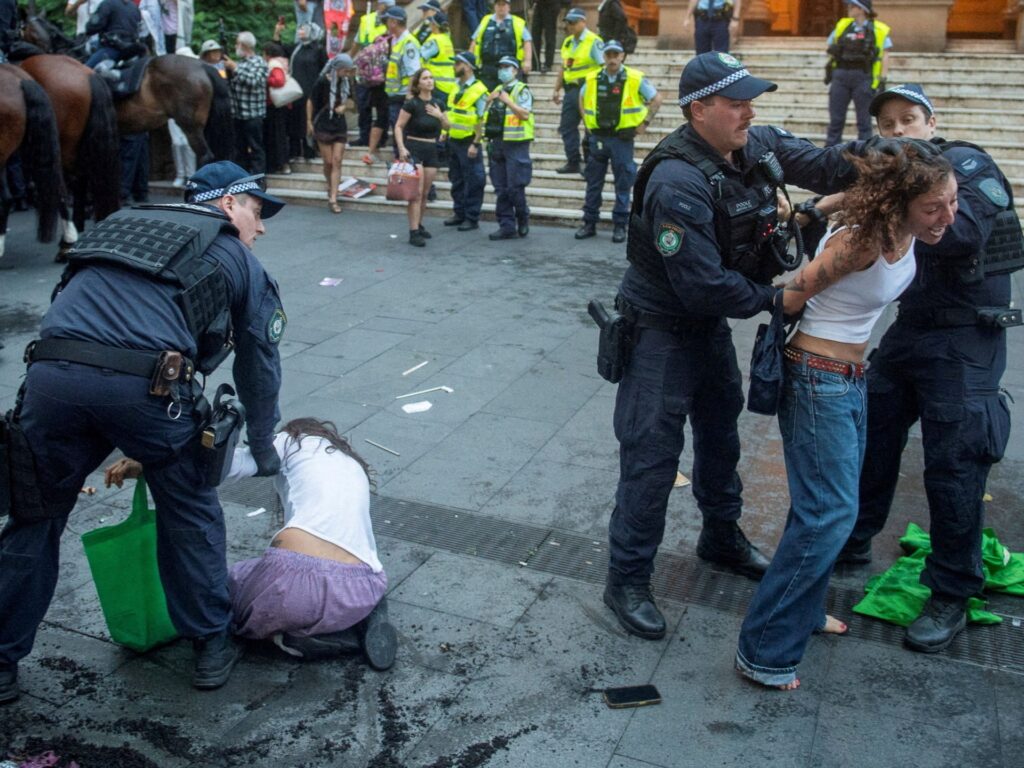
In Australia, civic groups and activists have intensified protests in response to a police crackdown on a rally opposing the visit of Israeli President Isaac Herzog. The ongoing demonstrations have drawn widespread attention due to the reported use of what various organizations and observers describe as “excessive” police force against protesters exercising their democratic rights.
The rally, originally organized to voice dissent against Herzog’s visit, which some view as contentious, saw a significant police presence. Authorities intervened in attempts to disperse crowds, leading to accusations that the police employed disproportionate tactics. This has sparked criticism not only from human rights groups but also from members of the wider public concerned about civil liberties.
Commenting on the situation, the police chief characterized the protesters as an “angry and violent mob,” a statement that has further inflamed tensions by painting demonstrators in a negative light. This rhetoric has been challenged by civic groups, who argue that the protest was largely peaceful and that the police response was unwarranted and overly aggressive.
The backdrop of this conflict is a broader debate within Australia regarding freedom of expression, law enforcement practices, and the right to peaceful assembly. The controversy over the police response has ignited discussions on the appropriate boundaries of police authority during public demonstrations.
Several reports and footage emerging from the scene show confrontations between police forces and protesters, with some individuals being detained and others alleging mistreatment. These events have led to calls for investigations into police conduct and demands for accountability.
Australia has a strong tradition of civic engagement and public demonstrations, and this incident has rekindled calls for ensuring that law enforcement agencies respect human rights standards. Observers warn that labeling protesters as a violent mob without sufficient evidence could undermine trust between law enforcement and communities.
Meanwhile, supporters of the police have defended their actions as necessary to maintain public order and safety during a politically sensitive event. They argue that the measures taken were aimed at preventing violence and protecting participants from potential harm.
The protests and the police’s handling of the situation remain under close scrutiny, with more rallies planned in the coming days. Activists continue to press for reforms and assurances against future instances of police overreach.
In summary, the protests against Herzog’s visit in Australia have evolved into a significant confrontation over civil rights and policing. Both sides of the debate are mobilizing support, and the nation’s authorities face increasing pressure to balance security concerns with the preservation of democratic freedoms. The outcome of this dispute could have lasting implications for public demonstrations and law enforcement policies in Australia.