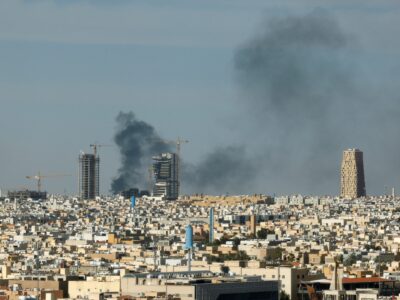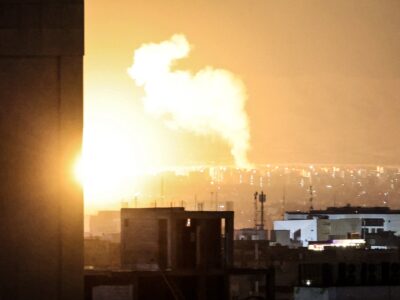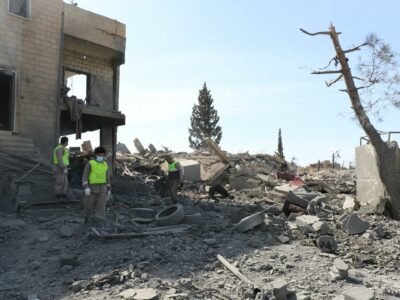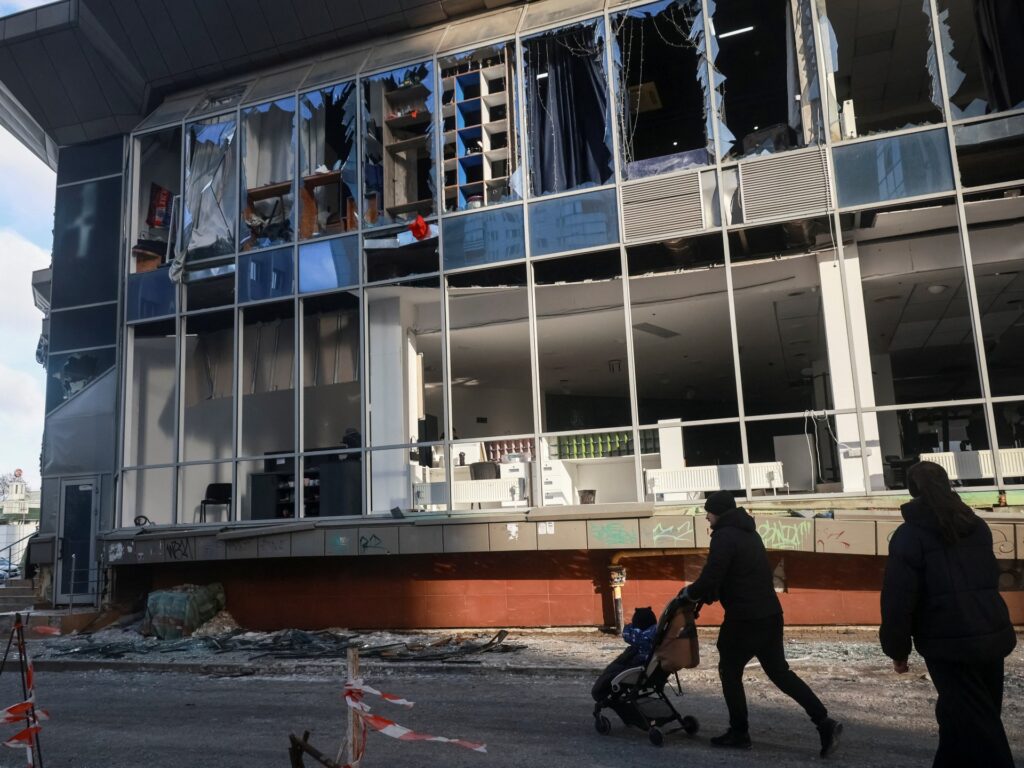
In the latest violent escalation of the ongoing conflict, Ukraine has reported a deadly barrage of missile and drone attacks by Russian forces, resulting in the tragic death of four civilians, including a child. This attack highlights the devastating human toll of the war and the persistent insecurity faced by the Ukrainian people.
Ukrainian officials have characterized these attacks as part of a broader campaign of aggression, underscoring the indiscriminate nature of weapons used against civilian populations. The incident has sparked a renewed outcry from Ukrainian leaders and the international community, demanding stronger protective measures and humanitarian aid for those affected.
The Foreign Minister of Ukraine has taken a particularly strong stance in response to the latest violence, calling on the European Union to implement a comprehensive entry ban on all Russian citizens who are participating, either directly or indirectly, in the ongoing war. This call aims to increase diplomatic and economic pressure on Russia by isolating individuals involved in the conflict from the rest of Europe.
Such a ban would be an unprecedented measure, reflecting the heightened tensions and desperation felt by Ukraine as the conflict continues to inflict severe civilian casualties and widespread destruction. The Foreign Minister emphasized that these individuals, through their actions or support, are complicit in the aggression and therefore should face consequences that restrict their movement and international engagement.
The European Union, which has already imposed numerous sanctions on Russia since the beginning of the conflict, is now facing increasing pressure to adopt even tougher policies. The possible ban on entry extends beyond military personnel to include civilians who are seen as supportive of the war effort, thus broadening the scope of sanctions.
Experts suggest that such measures could further complicate diplomatic relations but also signal a unified stance among European nations in support of Ukraine’s sovereignty and territorial integrity. However, there are concerns about the implementation and enforcement of such a ban, considering the challenges in identifying eligible individuals and the potential for diplomatic fallout.
Meanwhile, humanitarian organizations continue to monitor the situation closely, emphasizing the need for immediate aid and protection for civilians living in conflict zones. The death of a child among the victims profoundly highlights the vulnerability of non-combatants and the urgent need for international action to prevent further loss of innocent lives.
The conflict between Ukraine and Russia remains one of the most significant geopolitical crises in recent years, with far-reaching consequences for regional stability and international security. Each new attack and call for sanctions highlight the ongoing struggle for control and the determination of Ukraine to defend its sovereignty against aggression.
As the EU deliberates on the proposed entry ban and other potential sanctions, the world watches closely, hopeful for steps that might lead to de-escalation and peace. Until then, the resilience of the Ukrainian people continues to inspire global support and solidarity amidst the conflict’s harsh realities.