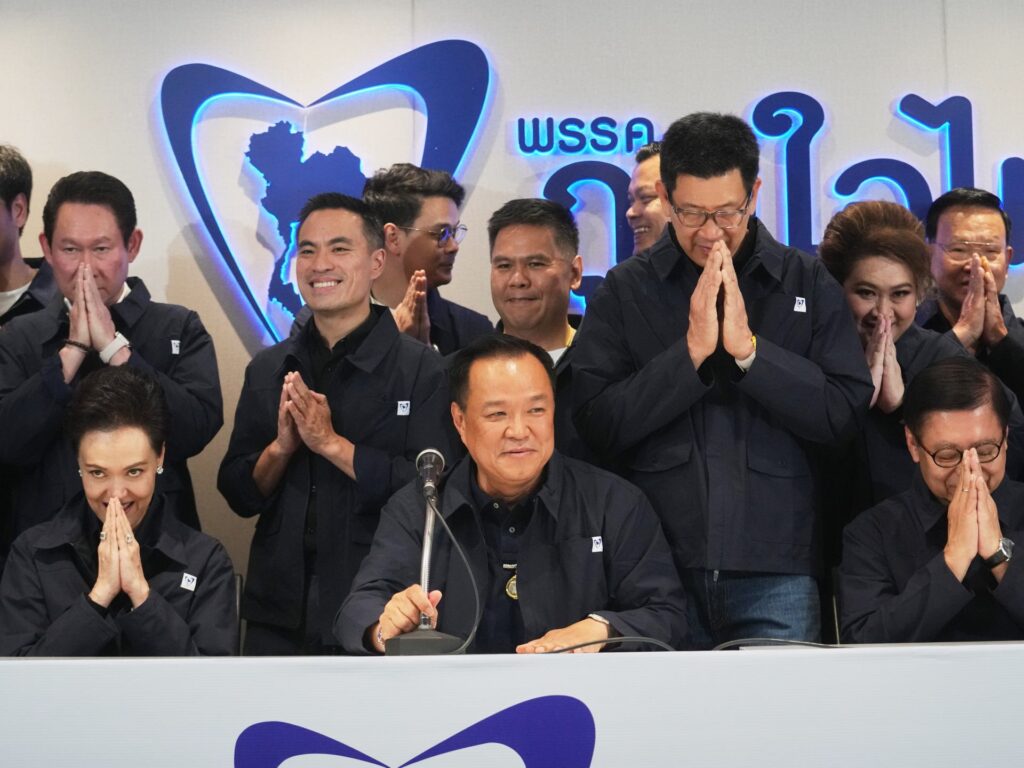
In a surprising turn of events following Thailand’s recent general election, the Bhumjaithai Party is emerging as a powerful player in the country’s political landscape. The conservative party looks set to secure at least 194 seats in the 500-member House of Representatives, according to Thai media reports, positioning it as a pivotal force in shaping the next government.
The Bhumjaithai Party’s unexpected success marks a significant shift in Thai politics, where the party has managed to outperform many established parties that were expected to dominate the election. This victory gives them a substantial foothold as they prepare to engage in coalition talks with other parties to form a government.
Thailand’s parliament consists of 500 seats, and securing nearly 194 seats places Bhumjaithai close to the threshold needed to influence the government formation process heavily. Although they don’t hold an outright majority, their position is strong enough to make them an indispensable ally for any coalition seeking to govern effectively.
The election outcome reflects a broader trend of voter dissatisfaction with traditional political blocs and a desire for new leadership and direction. The Bhumjaithai Party has capitalized on this sentiment by promoting policies that resonate with a broad segment of Thai citizens, particularly those focused on economic development, healthcare, and infrastructure improvements.
Political analysts suggest that the coalition talks following the election will be complex and crucial. With no single party holding an outright majority, the formation of the government will depend on negotiations among multiple parties, with Bhumjaithai likely playing kingmaker.
The coalition-building process is expected to address key policy agreements, leadership roles, and power-sharing arrangements among allied parties. The Bhumjaithai Party’s performance has given them significant leverage in these discussions, potentially allowing them to push forward their agenda more effectively than in previous governments.
Voters and political observers alike are watching closely as the party initiates discussions with potential coalition partners. The outcomes of these talks will not only determine the leadership and policy direction for Thailand’s next government but also shape the country’s political stability and development trajectory for the coming years.
In summary, the Bhumjaithai Party’s near-winning share of seats in the Thai House signals a major shift in the political arena. As coalition talks commence, all eyes remain on how the parties will come together to form a stable government capable of addressing the pressing needs of Thailand and delivering on the electoral mandate granted by the people.