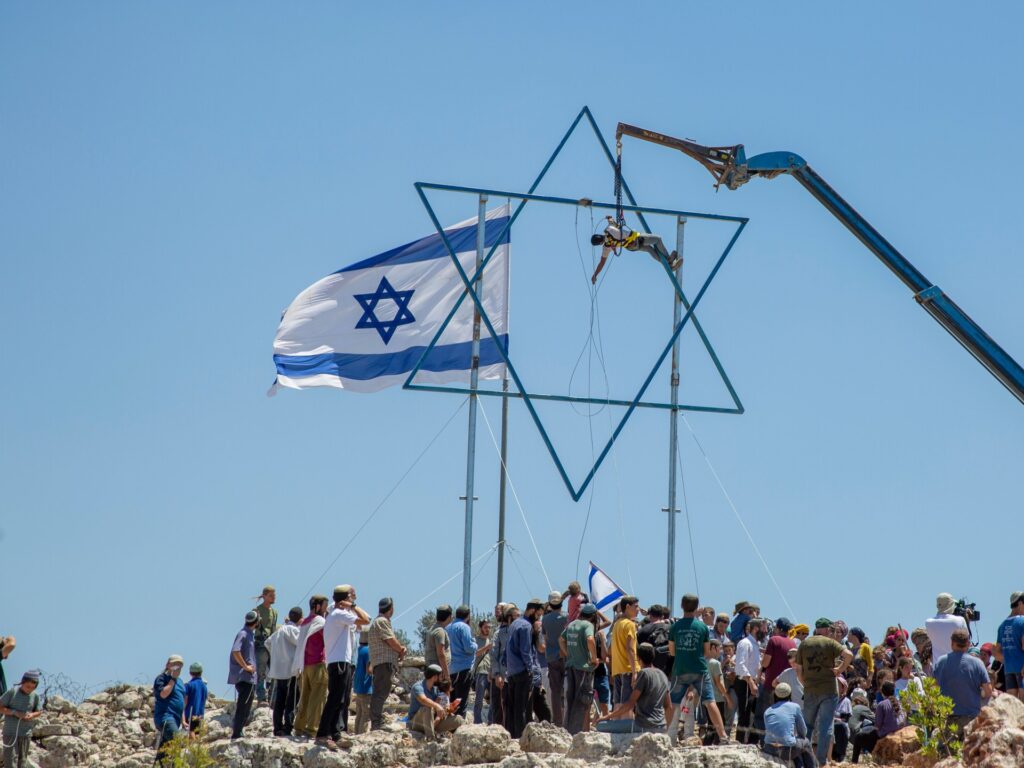
Israel has recently implemented significant changes in the governance of the occupied West Bank, a move that Palestinians argue essentially legalizes Jewish settlements deemed illegal under international law. These changes involve redefining administrative control and legal jurisdiction in areas of the West Bank, which critics say strengthens Israeli authority and marginalizes Palestinian governance structures.
The West Bank, a territory at the heart of the Israeli-Palestinian conflict, has been subject to complex governance arrangements since Israel captured it in the 1967 Six-Day War. Historically, the region has seen a patchwork of Palestinian Authority control in some areas and full Israeli military and civil authority in others. The new Israeli measures are seen as an attempt to consolidate control and formalize settlement presence.
Palestinian leaders and international observers have condemned the changes, arguing they violate international law and undermine prospects for a two-state solution. They claim that by altering governance frameworks, Israel is effectively annexing parts of the West Bank under the guise of administrative reform.
Israeli officials defend the changes, stating they are administrative and necessary for improving governance and security. They argue that these modifications are aimed at streamlining legal and administrative processes for residents and settlers alike.
However, the expansion and legalization of settlements remain one of the most contentious issues in the Israeli-Palestinian conflict. The United Nations and most of the international community consider the settlements illegal under the Fourth Geneva Convention, which prohibits the transfer of an occupying power’s civilian population into occupied territory.
These developments come amid ongoing tensions and periodic flare-ups of violence in the region, which have been exacerbated by disputes over land and sovereignty. The Palestinians view the governance changes as further entrenchment of occupation and a step towards de facto annexation.
International responses have included calls for restraint and urging both sides to return to negotiations. Advocates for peace emphasize the need to respect international law and to seek dialogue that addresses the legitimate aspirations and rights of both Israelis and Palestinians.
The situation remains fragile, and these governance changes are likely to impact the political landscape and the daily lives of residents in the West Bank. Continued international attention and efforts toward a peaceful resolution remain critical in this disputed territory.