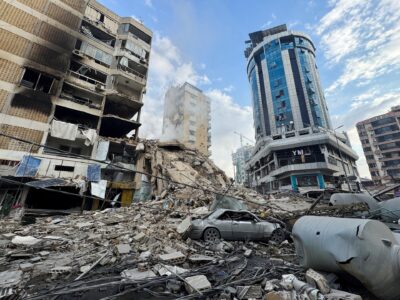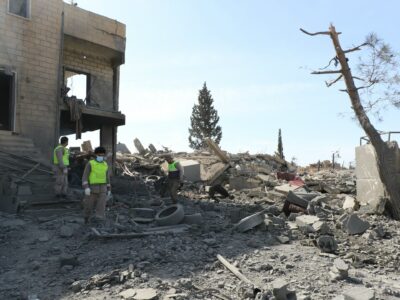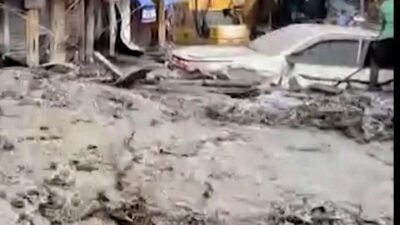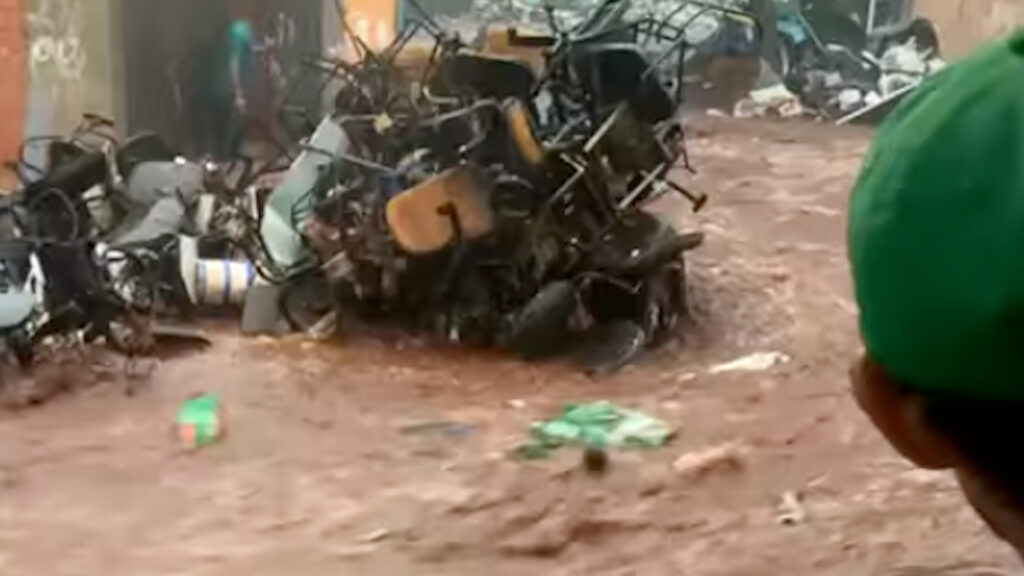
Recent floods in Brazil have caused severe disruptions as torrents of water swept through city streets, carrying with them massive amounts of waste. The floods, captured on video, depict a powerful and destructive flow of muddy water laden with garbage rushing down urban roads.
This sudden surge of contaminated floodwater has not only hampered daily life but also raised serious public health concerns. The waste includes everything from household trash to hazardous materials, exacerbating the already dangerous conditions for residents.
Local authorities have been struggling to manage the aftermath of the floods, working to clear debris and waste from the streets to prevent further damage and reduce health risks. Emergency services have been deployed to assist affected communities, many of which have suffered property damage and displacement.
Experts warn that with climate change contributing to more frequent and intense rainfall events, such flooding incidents are becoming increasingly common in Brazil and other parts of the world. The need for improved infrastructure, better waste management systems, and proactive urban planning has become urgent to mitigate the effects of similar disasters in the future.
Residents expressed their distress at the sight of streets turned into rivers of filth, with many losing personal belongings and struggling to maintain hygiene in the wake of the floods. Community groups have called for immediate government support and long-term strategies to enhance disaster resilience.
In response, the government has pledged to invest in flood defenses and improve sanitation services, aiming to protect vulnerable areas and enhance public health safeguards. Environmental organizations have also highlighted the importance of reducing pollution upstream to lessen the amount of waste carried during floodwaters.
The video capturing the flood’s destructive power has gone viral, raising awareness about the magnitude of the problem. It serves as a stark reminder of the devastating impact that natural disasters can have on urban areas, particularly where waste management and infrastructure are inadequate.
As cleanup efforts continue, the affected communities hope for quick recovery and stronger safeguards to prevent similar crises in the future. The incident underscores the interconnected challenges of environmental management, urban planning, and climate change adaptation necessary to protect populations from escalating natural disasters.