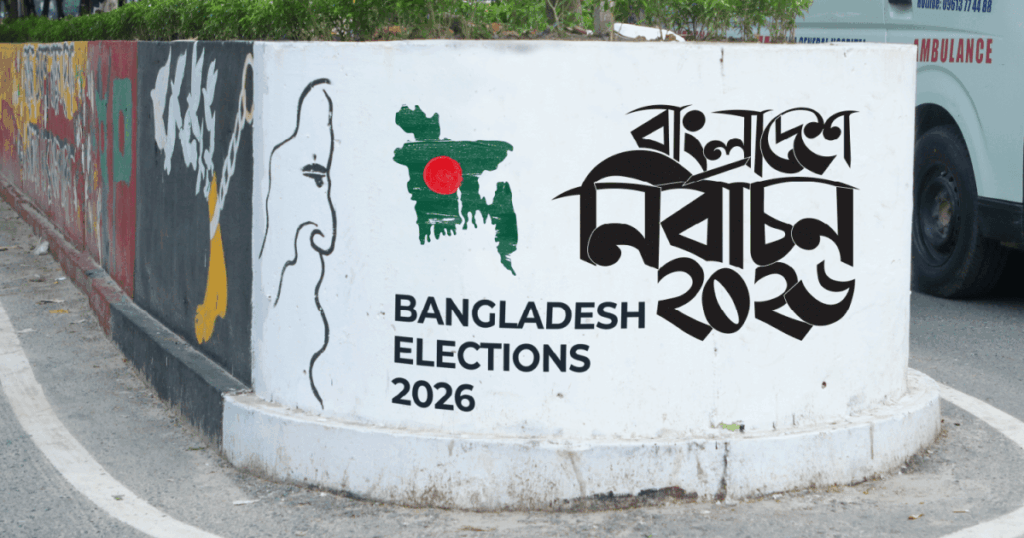
The upcoming Bangladesh general elections scheduled for February 12, 2026, are set to be a crucial event for the country’s democratic and political landscape. With 127 million registered voters, the elections represent one of the largest democratic exercises in the world. Here is a detailed explanation of the key aspects of the elections, illustrated through maps and charts to provide a clearer understanding.
1. Voter Demographics: Bangladesh’s voting population is diverse, with a significant proportion of young voters aged between 18 and 35. Women constitute nearly half of the electorate, reflecting the country’s efforts toward gender inclusion in politics. Urban areas show higher concentrations of voters compared to rural regions, impacting campaign strategies.
2. Electoral Map: The country’s 300 parliamentary constituencies are spread over eight divisions. The division-wise voter distribution reveals Dhaka and Chittagong as key areas with dense voter populations. The map highlights constituencies with highly competitive races, especially in metropolitan regions.
3. Historical Voting Trends: Analysis of previous elections indicates a pattern of dominance by major political parties such as the Awami League and the Bangladesh Nationalist Party (BNP). Trends show fluctuating voter turnout rates, influenced by political climate, election campaigns, and voter engagement initiatives.
4. Voter Turnout Projections: Statistical models suggest a turnout of around 75%, considering historical data and recent voter enthusiasm levels. Factors influencing turnout include accessibility of polling stations, voters’ confidence in the election process, and political stability.
5. Election Issues: Campaign focuses include economic development, anti-corruption measures, education, and climate change mitigation—a critical concern for Bangladesh due to its vulnerability to flooding.
6. Technology and Transparency: The 2026 elections are expected to leverage advanced biometric voter identification systems to minimize fraud. Election commissions have implemented electronic result transmission to ensure swift and transparent reporting.
7. International Observation: Multiple international bodies have been invited to monitor the election process, adding a layer of credibility and impartial assessment.
The significance of the 2026 elections extends beyond selecting political leaders; it reflects Bangladesh’s ambitions toward strengthening democratic practices and ensuring socio-economic progress. The detailed maps and charts serve as crucial tools for voters, analysts, and political stakeholders to comprehend electoral dynamics, voter behavior, and possible outcomes.
As Bangladesh prepares for this milestone event, the global community watches closely, recognizing the impact of this election on regional stability and development. The comprehensive analysis of voter data, electoral geography, and political trends sheds light on what lies ahead in the nation’s democratic journey.