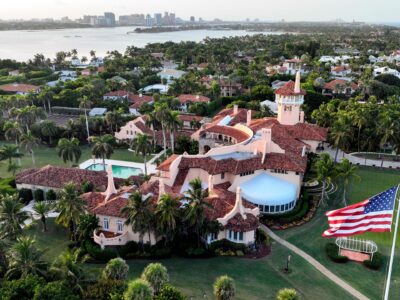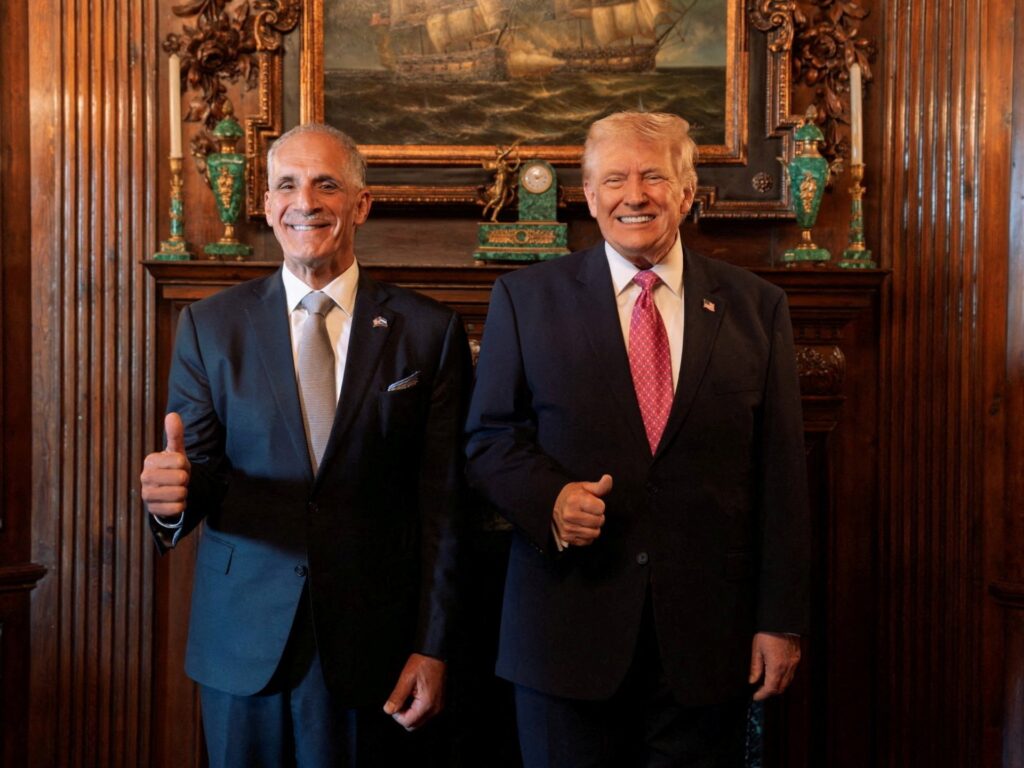
Former US President Donald Trump recently hosted the newly inaugurated President of Honduras, Nasry Asfura, at his Mar-a-Lago estate in Florida. This visit marked an important moment in the diplomatic relations between the United States and Honduras, highlighting the close personal and strategic ties shared by the two nations.
During the visit, Trump praised President Asfura, referring to him warmly as his ‘friend,’ underscoring the personal connection that has developed between the two leaders. The meeting provided a platform for discussing the future of US-Honduras relations, particularly in the area of security cooperation.
The United States and Honduras have a longstanding partnership focused on various issues, including combating drug trafficking, organized crime, and promoting regional stability. Trump’s acknowledgment of these ties reiterates the commitment of both parties to continue their collaboration in ensuring security across their borders.
President Asfura, who was recently inaugurated, expressed gratitude for the warm reception and vowed to maintain strong ties with the United States. His administration is expected to prioritize cooperation on security, economic development, and immigration, which are key areas of concern for both countries.
The Mar-a-Lago meeting also reflects Trump’s ongoing involvement in international politics and his influence in shaping US foreign relations with Central American countries even after his presidency. Observers see this visit as a strategic move to bolster alliances and influence upcoming political dynamics in the region.
Security experts note that Honduras is a critical partner in the US’s efforts to secure its southern frontiers due to its geographical location and challenges with crime and migration. Enhanced collaboration between the countries is seen as essential to address these issues effectively.
Furthermore, the dialogue between Trump and President Asfura touched upon economic initiatives aimed at fostering growth and stability in Honduras. These initiatives are anticipated to create jobs and reduce the socioeconomic factors that often drive migration.
Overall, the meeting at Mar-a-Lago symbolizes a renewed commitment to partnership and mutual objectives. It signals to both domestic and international audiences that the US remains invested in the prosperity and security of Honduras and the broader Central American region.
As President Asfura embarks on his term, the support from influential figures like Trump could play a pivotal role in shaping policy directions and enhancing diplomatic engagement.
This visit thus stands as a testament to the enduring importance of US-Honduras relations and the shared goals of peace, stability, and development. Observers will be watching closely to see how this relationship evolves and impacts the broader geopolitical landscape in Central America.