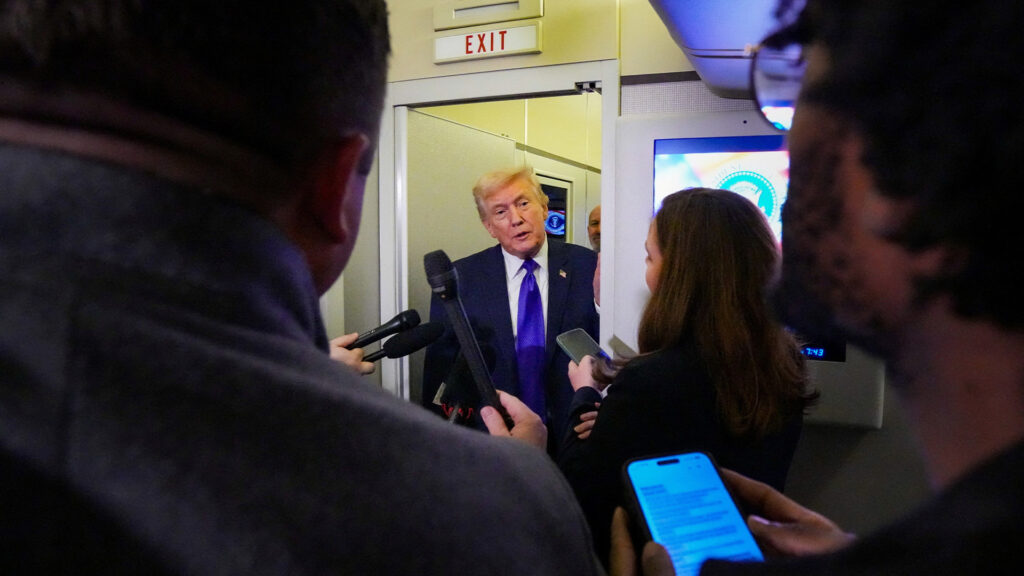
Former President Donald Trump is at the center of a renewed controversy following the release of a video that depicted former First Lady Michelle Obama and former President Barack Obama as apes. The video, which generated swift and widespread condemnation, was eventually deleted but the damage to Trump’s public image remains a contentious topic.
The video ignited outrage among political figures, civil rights organizations, and the general public who denounced it as racist and deeply offensive. Many critics have called the depiction an unacceptable attack on the former presidential couple, highlighting the racial undertones that such imagery evokes.
Despite the backlash, Trump has steadfastly refused to issue an apology or retraction. His response suggests a continuation of his confrontational style of communication, dismissing calls for accountability and maintaining his stance in support of the content’s release.
This incident adds to a growing list of controversies surrounding Trump’s post-presidential conduct, which includes numerous allegations of racism and inflammatory rhetoric. Analysts view this refusal to apologize as a strategic move to solidify his base, while simultaneously alienating moderate and minority voters.
The video was initially circulated on social media platforms, quickly gaining traction before platform administrators intervened to remove it for violating policies against hate speech and offensive content. Nevertheless, the video had already been widely viewed and shared, amplifying its impact.
Civil rights leaders have condemned the video as not merely a political provocation but a dangerous perpetuation of harmful stereotypes that have historically fueled discrimination and violence against Black communities in the United States.
In response to the controversy, several sponsors and affiliates have distanced themselves from Trump, highlighting the commercial risks tied to association with such contentious content.
While Trump’s supporters argue that the backlash is part of a broader effort to silence his voice and disparage his political movement, opponents see it as a necessary condemnation of divisive and racist rhetoric.
The incident has reignited conversations across various sectors about the limits of free speech, the responsibilities of public figures, and the enduring problem of racism in American political discourse.
As the debate continues, experts emphasize the importance of addressing racial insensitivity and promoting respect and inclusivity in public conversations, stressing that the repercussions of such incidents extend beyond politics and into the social fabric of the nation.
With the video deleted but the controversy far from over, the situation remains fluid, and it is unclear if further actions will be taken by platforms or political bodies to prevent similar occurrences in the future.
The backlash against Trump serves as a reminder of the heightened sensitivities and the power of media in shaping public opinion in an era marked by divisive politics and social unrest.