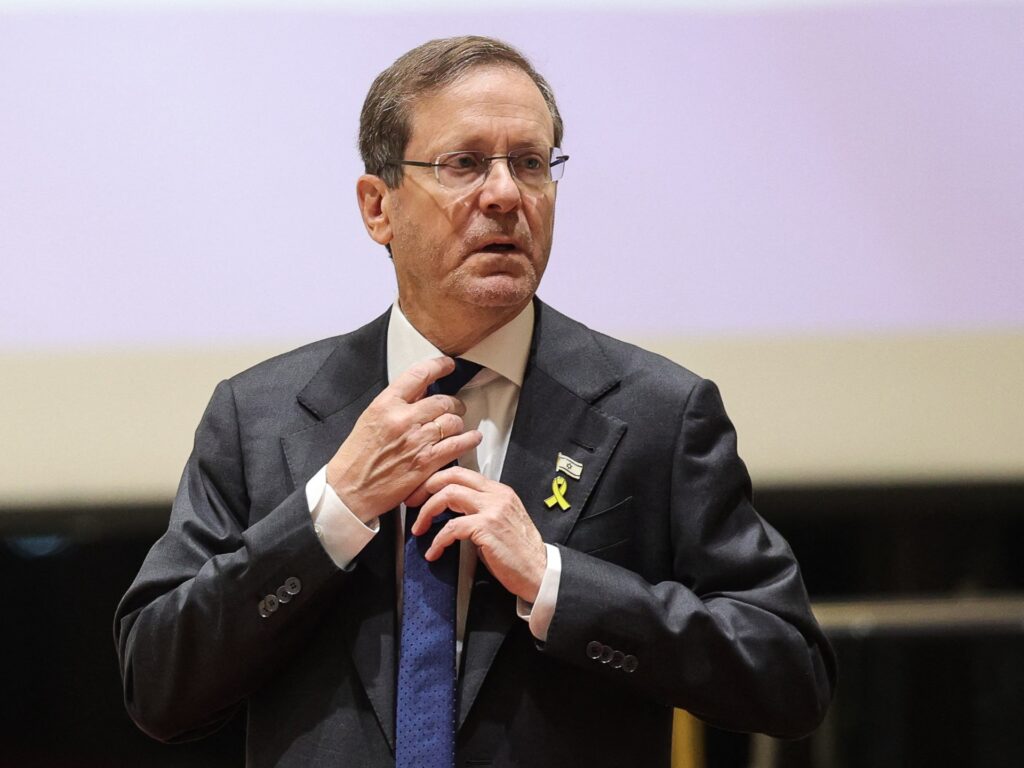
Israeli President Isaac Herzog is set to visit Australia, where he plans to commemorate the victims of the Bondi Beach mass shooting. This event, intended as a solemn remembrance, has sparked controversy as pro-Palestine groups have announced plans to protest his visit.
The protests stem from ongoing tensions surrounding the conflict in Gaza. Activists argue that President Herzog should not be exempt from scrutiny or accountability related to Israel’s recent actions in Gaza. They believe that commemorating a tragedy such as the Bondi Beach shooting while ignoring the suffering in Gaza sends a conflicting message.
Herzog’s visit highlights the complex intersection of global diplomacy, human rights concerns, and the enduring conflict in the Middle East. While the Australian government aims to honor the memory of the mass shooting victims, pro-Palestine advocates maintain that President Herzog’s presence should prompt a critical dialogue about Israel’s policies and the humanitarian crisis in Gaza.
The protests are expected to draw significant attention, as activists seek to raise awareness about the plight of Palestinians amid increasing international scrutiny of Israeli military actions. Many voices in Australia and worldwide argue for a balanced approach that mourns all victims of violence while holding all parties accountable.
In response, some Australian officials express hope that the visit will encourage peace and reconciliation efforts. They emphasize that remembrance ceremonies and political accountability are not mutually exclusive but rather integral parts of a just resolution.
This visit comes at a time when the Israeli-Palestinian conflict remains highly contested, with global communities divided on their stance. The controversy surrounding Herzog’s trip underscores the broader debate on how the international community should engage with Israel amid ongoing hostilities and humanitarian concerns.
As protests unfold, President Herzog’s visit will be closely watched by global media and diplomatic circles. The outcome could influence future dialogues on peace, justice, and human rights in the region, with Australia’s role in facilitating such discussions under scrutiny.
Ultimately, the events in Australia encapsulate a microcosm of the larger international struggle to reconcile memory, justice, and political realities in one of the world’s most enduring conflicts.